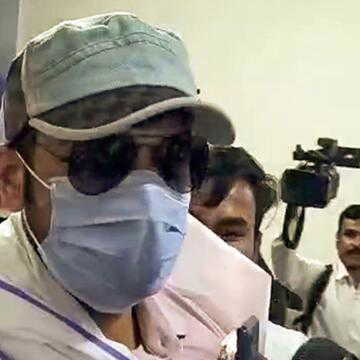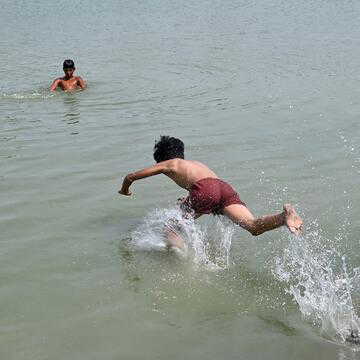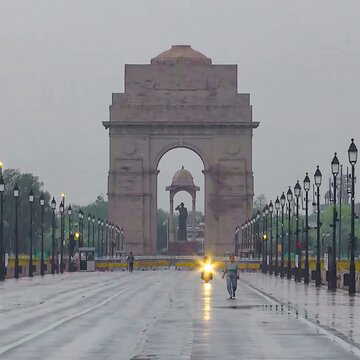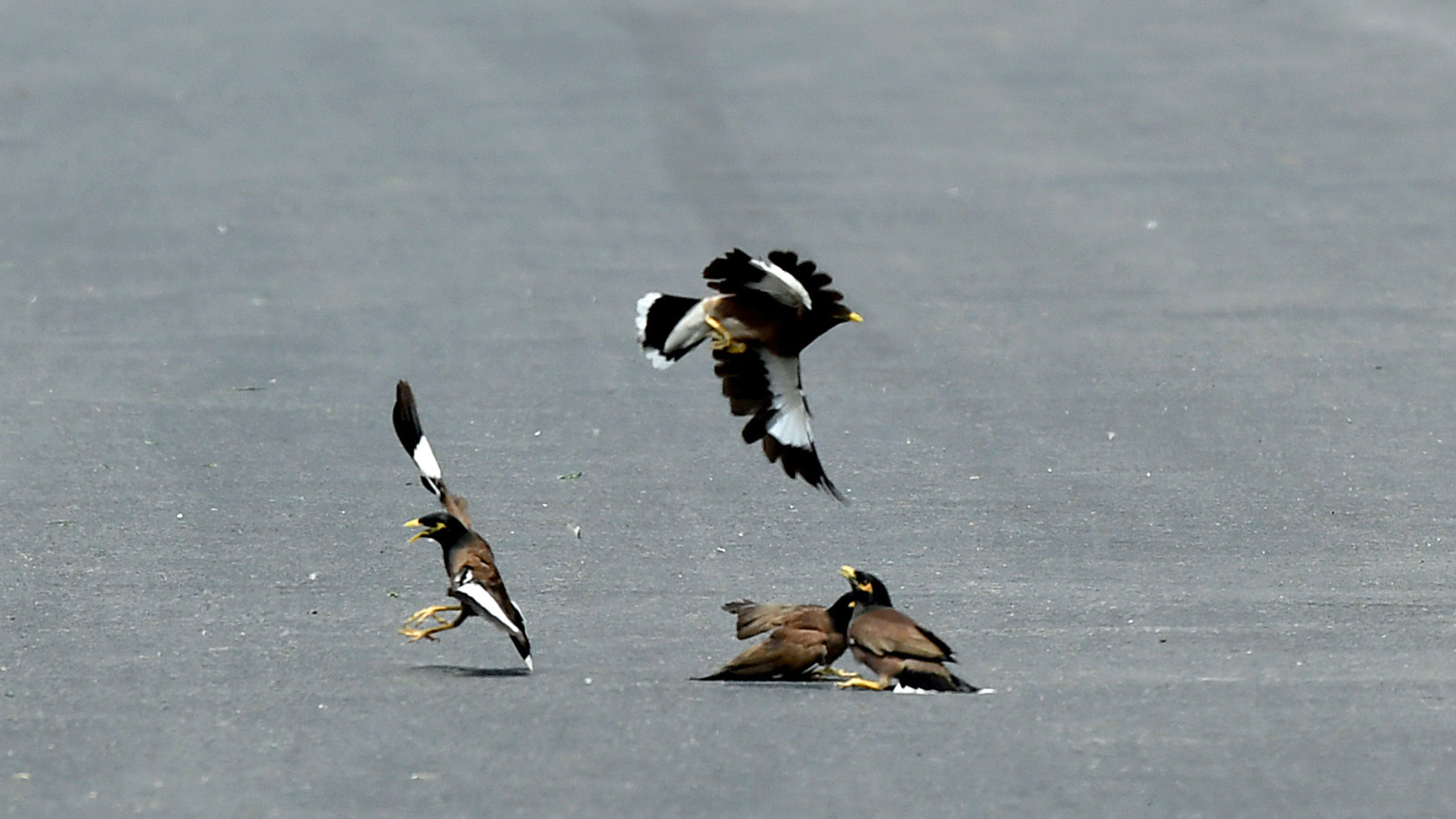
A punishing heatwave has tightened its grip on Delhi, and the toll is becoming increasingly visible beyond rising temperatures. Across the city, pigeons are collapsing mid-flight, eagles are being found unconscious on roads, and street animals are reaching clinics in alarming numbers. Veterinarians and rescuers say cases linked to dehydration, infections, and heatstroke have surged in recent days, pointing to the growing strain on urban wildlife struggling to cope with relentless summer conditions.
Spike in cases at hospitals and rescue centres
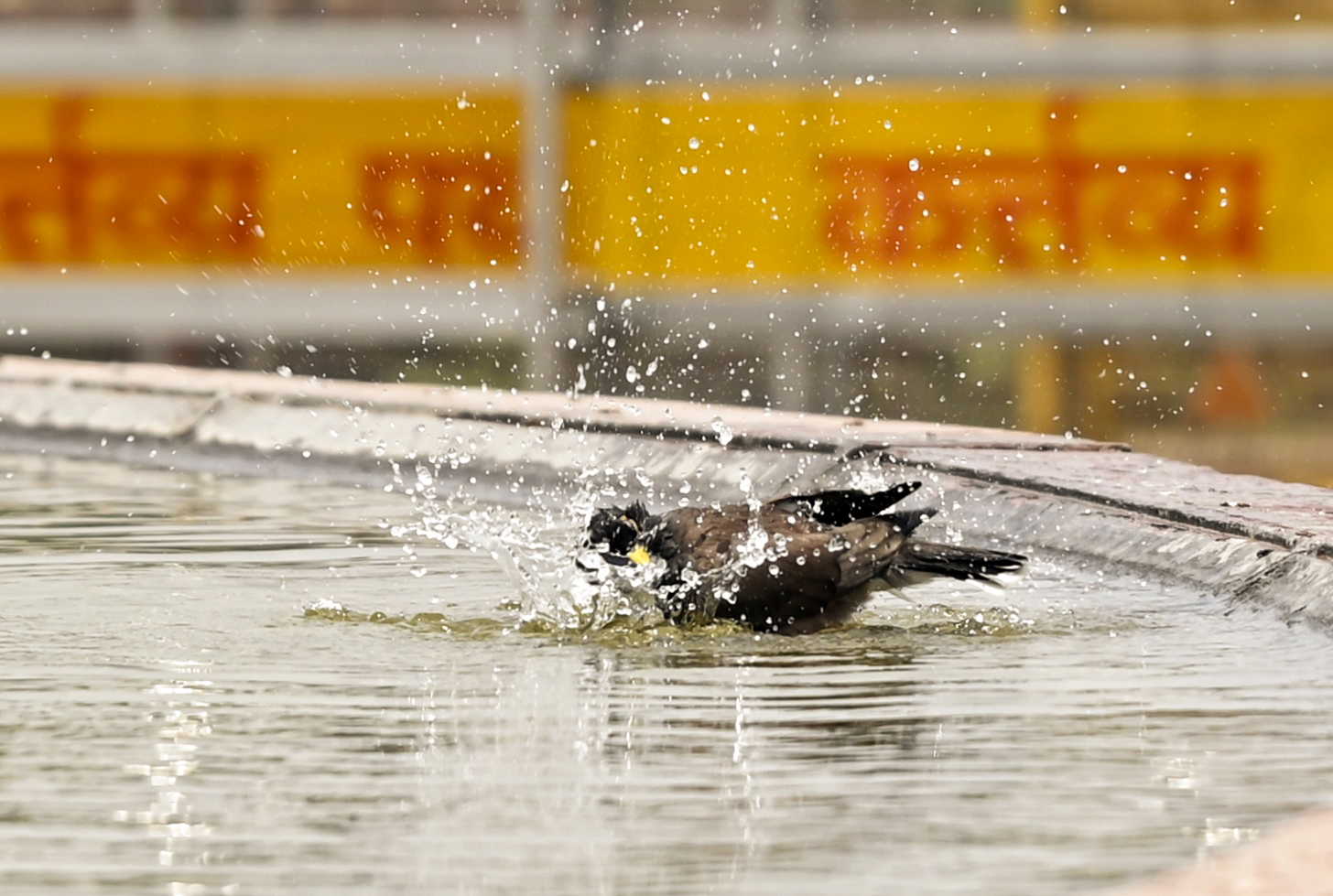
A veterinarian at Abhay Daanam Bird and Animal Hospital said the facility is seeing nearly 20 bird cases daily linked to heat stress, marking a rise of around 50 per cent in recent weeks.
"Most of the birds coming to us are pigeons. A large number of them are suffering from pigeon pox, an infection that spreads more during periods of extreme heat and poor conditions. We are also getting other kinds of birds, besides horses and cows, that are being brought in with dehydration, heat strokes, and immovable conditions," Hindustan Times quoted him as saying.
Also Read | Delhi swelters at 42.7C as IMD warns of severe heatwave; red alert in 3 states
 /ANI
/ANI Another veterinarian working in Shahdara and Chandni Chowk said he is currently handling 70 to 80 cases every day.
"Most of the cases are of pigeons, black kites, and eagles. Many birds are brought to us in unconscious states because of the heatwave. We are giving them ORS and fluids to help them regain consciousness and recover," he added.
"Some birds arrive in extremely critical condition and we are unable to save them. But when we get calls in the early stages, treatment becomes easier and survival chances improve significantly.”
Also Read | IMD warns of prolonged heatwave across central and north India till May-end
Street animals face added health risks
Manta Sidhu from People For Animals flagged another concern that intensifies during extreme heat.
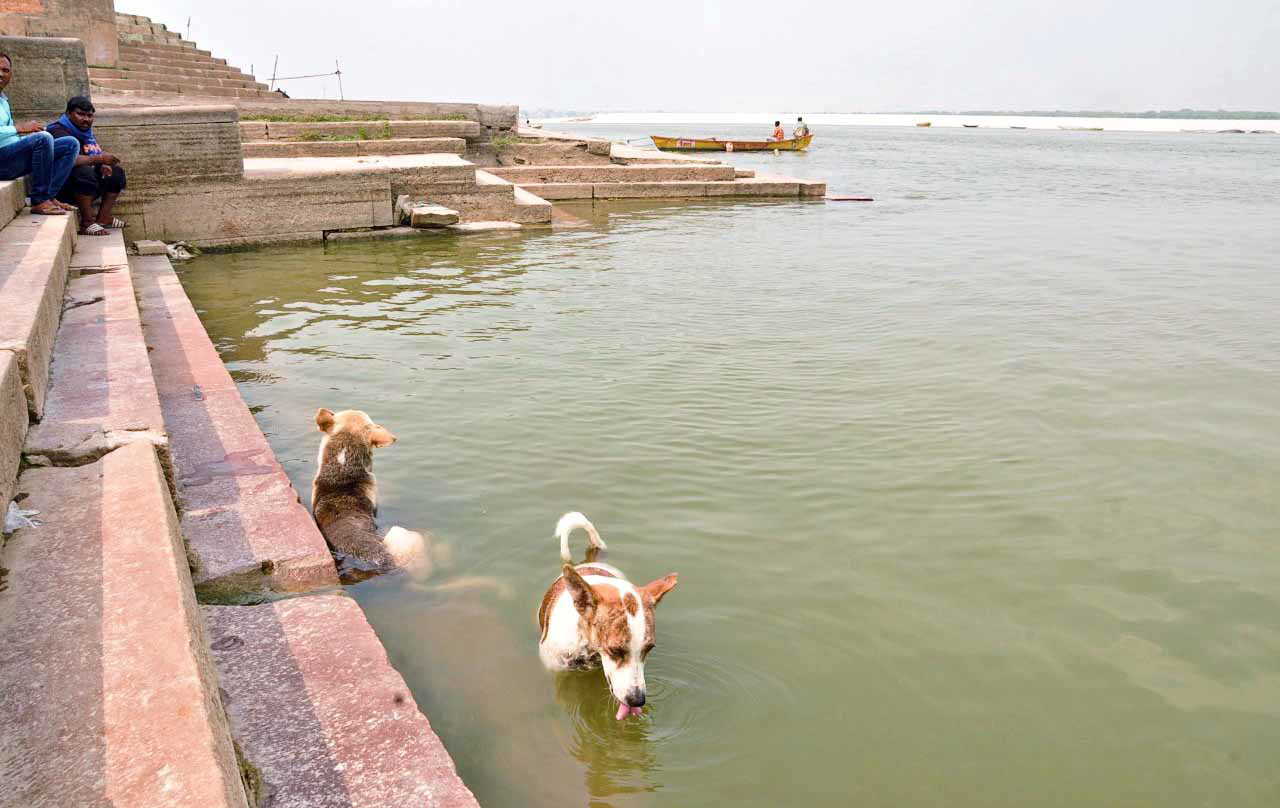
"Garbage rots much faster during the summer season. When animals consume food from garbage dumps or trucks, they are getting toxicity and gastro infections. Pig fever is also becoming a major issue," she told Hindustan Times.
 /ANI
/ANI She also urged residents to take simple preventive steps.
"Everybody has dogs and other animals in their lanes. People should keep water and some shaded space for them, especially during such harsh weather.”
Rescue calls rise as outreach efforts expand
Abhishek Jain from Vidyasagar Jeev Daya Parivaar said the organisation is receiving around 40 distress calls daily, indicating a 30 per cent increase.
Also Read | Scorching Delhi summer triggers widespread complaints of water shortages
"We have seen nearly a 30 per cent rise in heat-related cases. Many birds are found unconscious because of dehydration and heat strokes. We rescue them and provide treatment immediately," Hindustan Times cited him as saying.
"People sometimes keep food and water for pigeons and other domesticated birds, but eagles do not have such access. They end up severely dehydrated and are often found lying unconscious.”
 /ANI
/ANI Amit Jain, chairperson of the NGO, highlighted their ongoing effort to mitigate the impact.
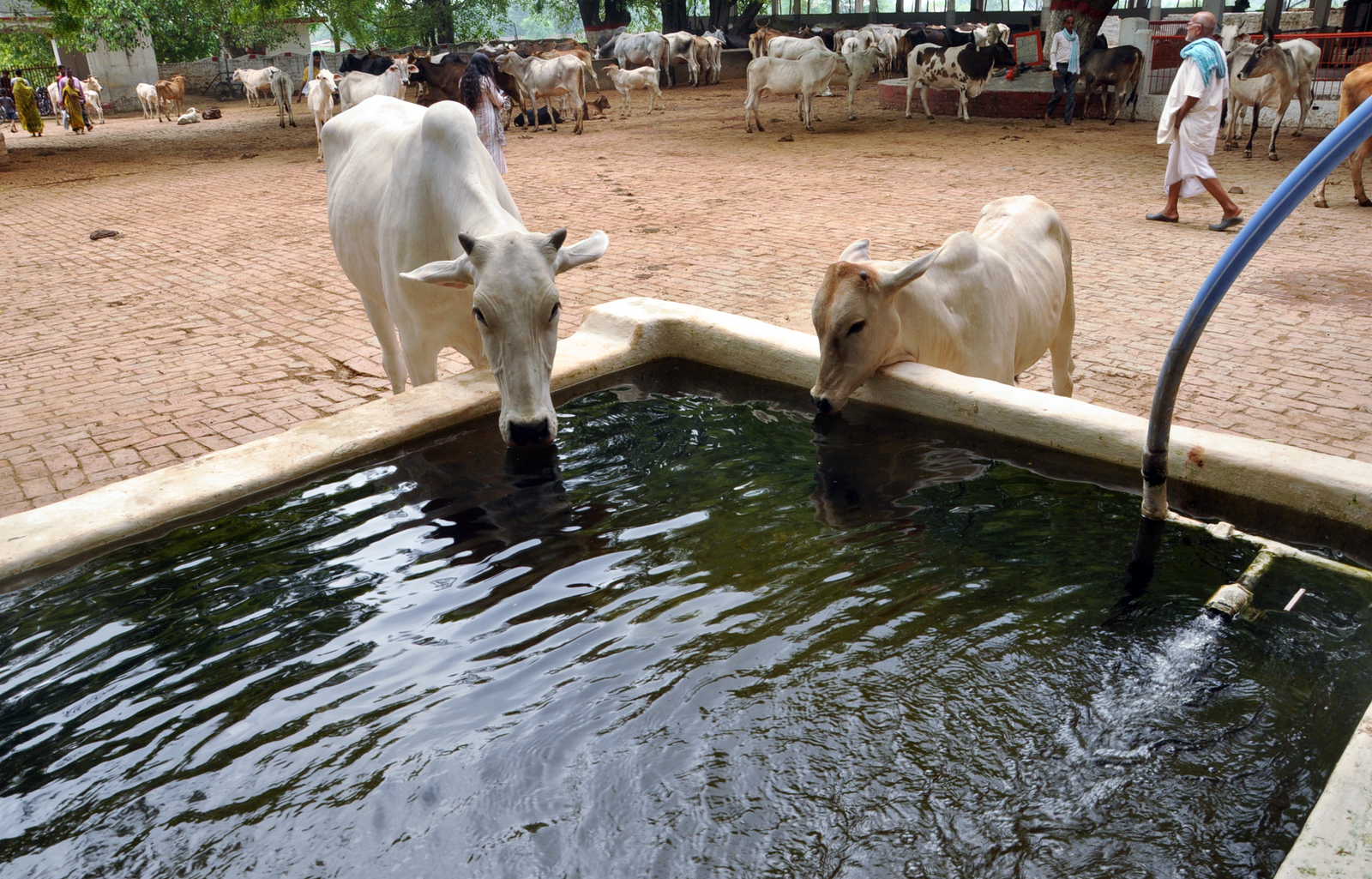
"We have started distributing 10,000 pots of water free of cost so that people can keep them outside their homes for birds and stray animals. Once these birds become unconscious, they also become vulnerable to attacks by other animals, leading to injuries that require additional treatment.”
Also Read | ‘Prepare for surprises’: Experts caution over powerful El Nino impact globally
Urban challenges worsen impact on birds
Pankaj Gupta from Bird Count India said that while many bird species are naturally adapted to high temperatures, changing urban conditions are making survival harder.
"Most resident birds in Delhi have lived here for thousands of years, so they are adapted to the heat. The real problem is rapid urbanisation, reduction in wetlands and shrinking green cover because of which birds are not able to access enough water," he told Hindustan Times.
 /ANI
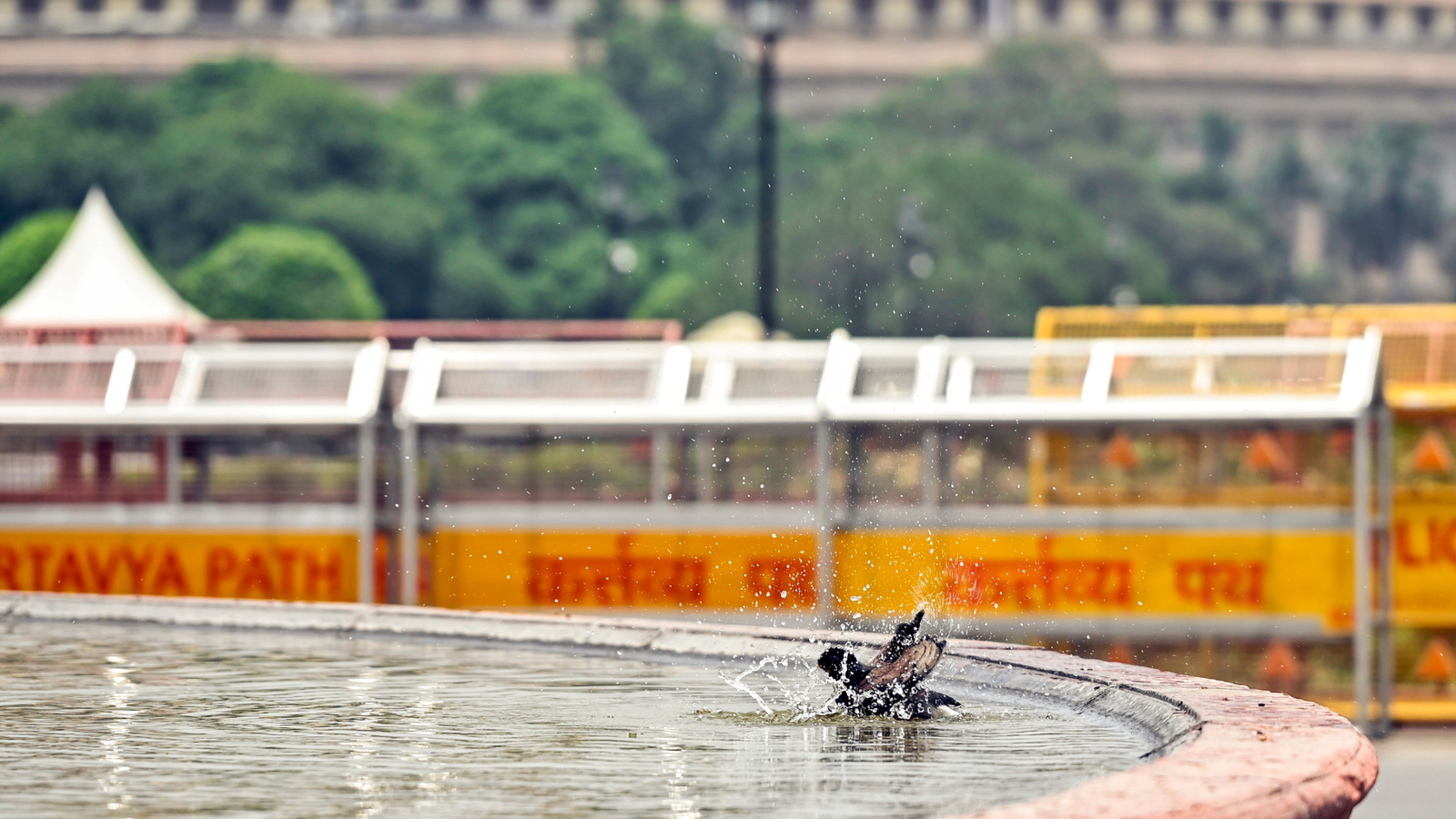
/ANI "We advise people to keep a bowl of clean water in a shaded area and refill it at least twice a day. Make sure that the bowls are clean. Birds do not need feeding because they are capable of finding food on their own, but water is the major issue during this season.”
"It is very important to place the bowl in a shaded spot. If water is kept in direct heat, bacteria grows quickly. Clean bowls and fresh water twice a day can go a long way in helping birds survive the summer," he added.