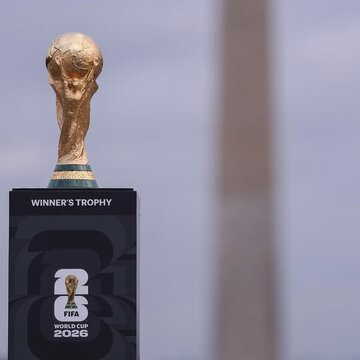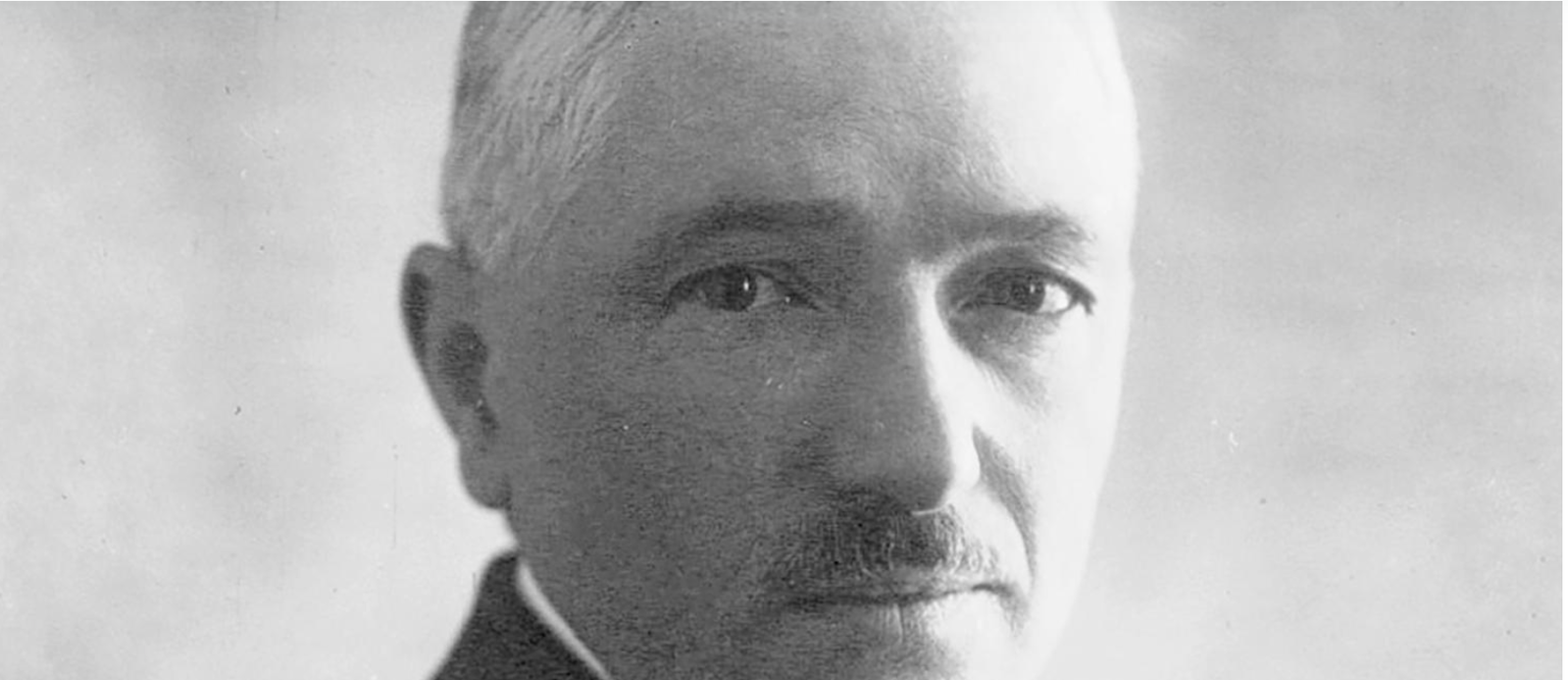
As millions of fans prepare to follow the 2026 FIFA World Cup across the United States, Canada and Mexico, few may pause to consider the man whose vision made the tournament possible. Today, the World Cup is a global spectacle watched by billions, but its origins lie in the ideals of a French social reformer who believed football could help build a more peaceful world.
That man was Jules Rimet, the longtime FIFA president whose dream extended far beyond sport. For him, football was not simply a game. It was a tool to bridge divisions, encourage friendship and promote human dignity in an era marked by war, inequality and social upheaval.
Inspired by faith and social justice
Born in rural France in 1873, Rimet grew up in a deeply Catholic household during a period of immense change across Europe. Industrialisation had transformed economies but had also deepened poverty and social divisions.
A major influence on the young Rimet was Pope Leo XIII’s 1891 encyclical Rerum Novarum, a landmark document that called for workers’ rights, social justice and solidarity. Inspired by these teachings, Rimet became involved in charitable work and developed a lifelong commitment to serving society.
His belief in equality also shaped his approach to sport. In 1897, he founded Red Star Football Club in Paris with a radical principle for the time: players from all social classes would be welcomed equally. He viewed football as a means of breaking down barriers and fostering fraternity among people from different backgrounds.
Also Read | Valid visa fails to secure US entry for referee Omar Artan: What is the reason?
Turning football into a global movement
Rimet played a key role in the creation of FIFA in 1904, helping establish an international body to govern football. However, it was the devastation of the First World War that strengthened his conviction that nations needed peaceful avenues for interaction.
After becoming FIFA president in 1921, Rimet championed the idea of a standalone international football championship. He believed that competition on the pitch could replace hostility between nations and create opportunities for mutual respect.
His efforts culminated in the inaugural FIFA World Cup in Uruguay in 1930. Thirteen nations participated in a tournament that would eventually grow into the world’s most popular sporting event.
Also Read | Iran’s ‘#168’ tribute grabs attention, reignites debate over FIFA regulations
A legacy that lives on
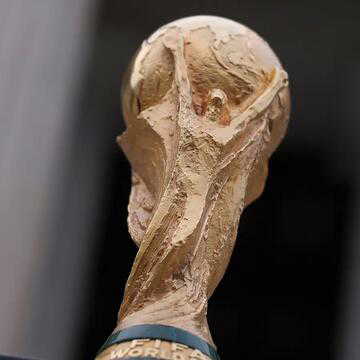
Rimet led FIFA for 33 years, overseeing the expansion of football into a truly global sport. The original World Cup trophy was later named the Jules Rimet Trophy in recognition of his contribution.
His vision remains evident today. From multicultural teams inspiring unity to nations setting aside rivalries during international tournaments, football continues to serve as a platform for connection and dialogue.
As the 2026 FIFA World Cup unfolds, it will showcase elite sporting talent and fierce competition. Yet behind every match lies the enduring legacy of Jules Rimet, a man who believed that bringing people together through football could help create a more united world.