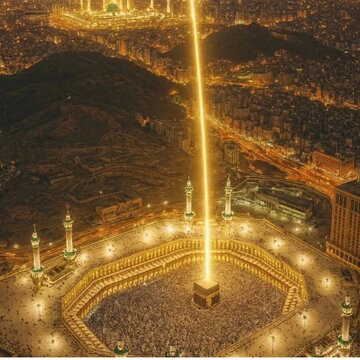
Ramadan has begun, and daily life has quietly shifted. Alarms ring before sunrise, kitchens light up in the dark, and evenings are timed to the exact moment the sun dips below the horizon. For those observing roza, the day now revolves around sehri and iftar.
The first fast of this year was observed on February 19 after the crescent moon was sighted a day earlier. Since then, the fasting window has been stretching gradually. A minute earlier for sehri, a minute later for iftar. By the end of the week, the difference is clear.
Why do sehri and iftar timings change?
Sehri ends at dawn, and iftar begins at sunset. As February progresses, days grow slightly longer. This natural shift makes sehri earlier and pushes iftar a little later each day. The variation may seem small, but it continues steadily.

There can also be minor differences of a few minutes depending on the calculation methods followed by different communities.
Lucknow
From February 20 to 26, sehri in Lucknow moves from 05:21 AM to 05:16 AM. Iftar shifts from 6:02 PM to 6:06 PM. Over seven days, the fasting duration increases gradually.
Also Read | Ramadan wishes 2026: 30+ quotes and captions to share on WhatsApp, Facebook, and Instagram
Delhi
In Delhi, sehri changes from 05:36 AM on February 20 to 05:31 AM on February 26. Iftar moves from 6:15 PM to 6:19 PM. The daily extension is small but noticeable by the end of the week.
Hyderabad
Hyderabad records sehri at 05:27 AM on February 20, reaching 05:24 AM by February 26. Iftar progresses from 6:20 PM to 6:22 PM during the same period.
Kolkata
In Kolkata, sehri shifts from 04:51 AM on February 20 to 04:46 AM on February 26, turning earlier as the week progresses. Iftar moves from 5:36 PM to 5:39 PM, extending the fasting duration gradually over these seven days.
Also Read | What is enmeshment? Here's one psychology term we bet you didn't know about
Mumbai
Mumbai’s sehri shifts from 05:51 AM on February 20 to 05:47 AM on February 26. Iftar moves from 06:41 PM to 06:44 PM across the week.

The week ahead
The pattern is consistent across cities. Sehri becomes earlier and iftar slightly later as the days pass. This is why most observers rely on daily calendars rather than memorising timings at the start of the month.
In simple terms, each morning begins a little sooner, and each fast ends a little later. That steady movement with the sun defines the rhythm of Ramadan.