Easy credit and instant loan approvals have made the purchase of costly items easier than ever before. Whether it is a smartphone, laptop, car, or home appliance, equated monthly instalments (EMIs) have become the preferred mode of payment for many. However, financial planners have warned that while ease of payment is important, a lack of planning can lead to a stealthy entry into debt.
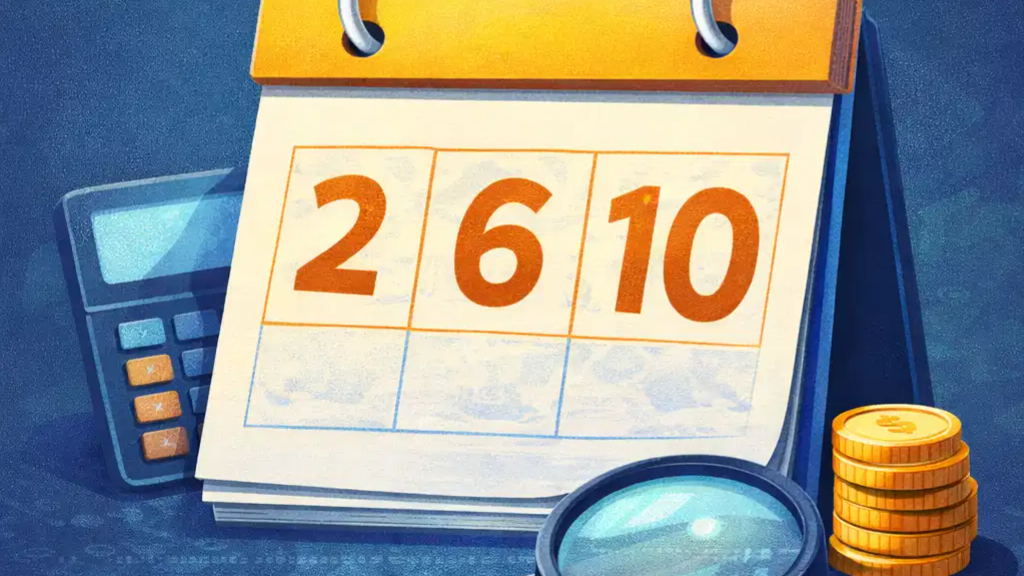
To avoid this pitfall, financial planners have been advising the use of the 2-6-10 rule, a budgeting technique that directly correlates the cost of the purchase, the term of the loan, and the EMI amount to the monthly income.
Also Read | Can a ₹95,000 monthly SIP really create a ₹5 crore retirement corpus? Here’s the math
What is the 2-6-10 rule?
The 2-6-10 rule articulates the three limits of spending discipline, each of which is intended to safeguard a buyer’s finances.
'2': Limit the price to half your monthly income
The first rule states that the total amount spent on a discretionary purchase should not exceed 50 percent of your monthly income. For example, if you earn ₹50,000 per month, you should not spend more than ₹25,000 on a discretionary purchase such as a smartphone or a phone.
Financial planners state that this is particularly important for items such as smartphones, which tend to depreciate quickly. A smartphone, for example, can depreciate by almost 20 percent as soon as it is bought, and its value may drop to less than half of its original price in a year.
'6': Restrict the EMI term to six months
The second rule states that the EMI term should not exceed six months for discretionary purchases. The longer the EMI term, the more interest you will pay, and the longer you will be tied to an EMI installment.
Shorter EMI terms, according to financial planners, will help you reduce financial stress and regain flexibility sooner.
'10': Keep EMIs to 10 percent of income
The last guideline sets a limit on EMI payments to 10 percent of the average monthly income. For example, if your average monthly income is ₹40,000, your EMI payments should not exceed ₹4,000. This will help you avoid dipping into your savings.
Why these matters
Low-cost EMI payments have made many consumers overlook the cumulative effect of multiple EMI payments. Over time, multiple EMI payments can impact your savings and limit your future spending options.
The 2-6-10 guideline provides a simple way to check the affordability of a credit product before you buy.