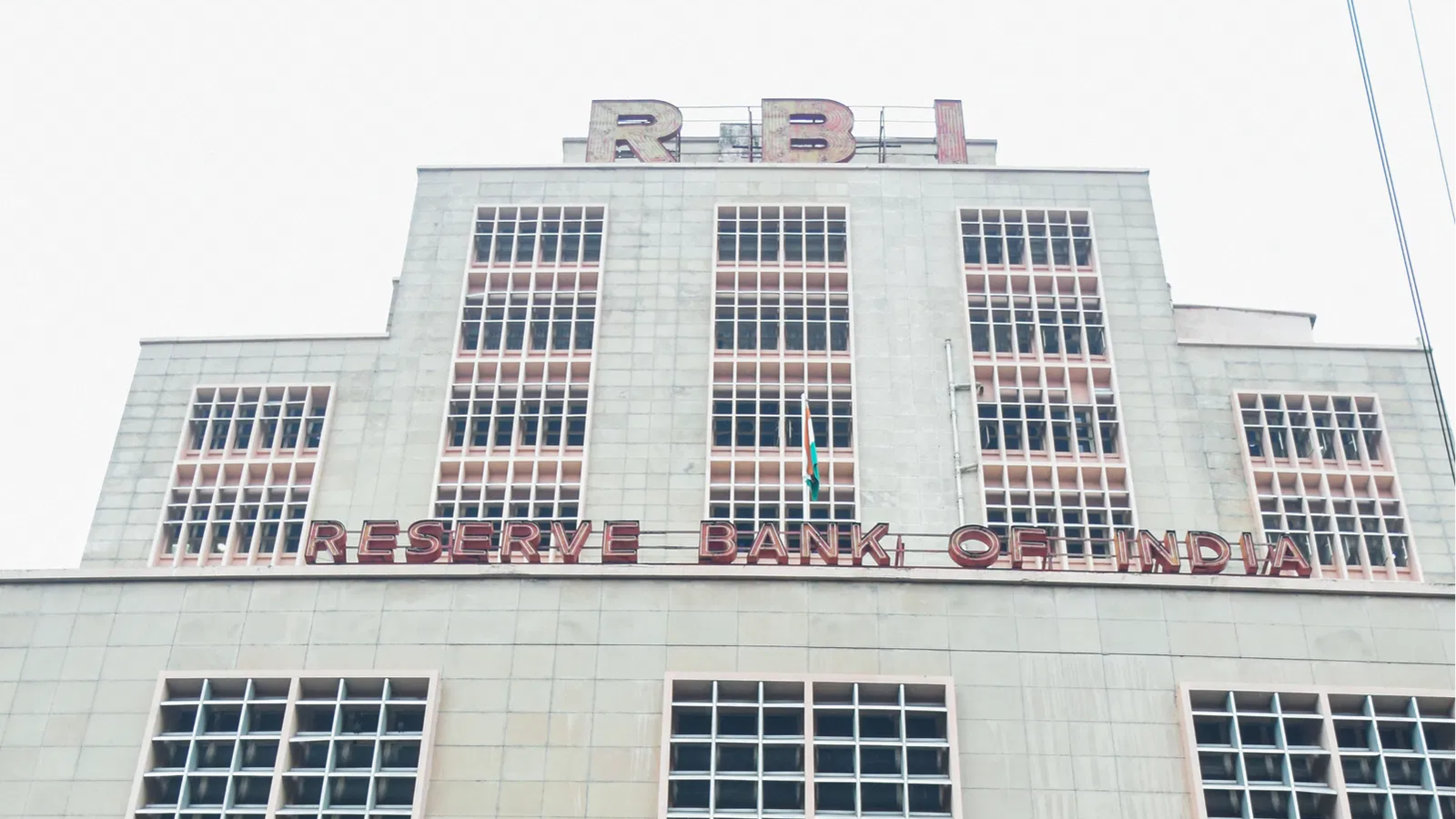
The Reserve Bank of India (RBI) has begun building a new secure data centre designed to withstand both natural and man-made threats. The project aims to keep India’s critical banking and payment systems operational even under extreme conditions — from enemy strikes to significant earthquakes. With the global geopolitical climate evolving and digital liabilities increasing, the RBI’s latest infrastructure initiative underscores how resilient cybersecurity and physical security are now twin pillars of national stability.
Why a new secure data centre?
According to The Economic Times, the RBI’s push for a hardened data facility stems from a recognition of escalating risk vectors affecting critical infrastructure. Traditional data centres, while robust by industry standards, may not fully withstand severe shocks such as deliberate military attacks or high-magnitude seismic events.
To address this, the central bank has mapped out a strategy to build a facility that combines geographical safety, structural resilience and rapid recovery capability. This centre will be strategically located away from areas prone to major earthquakes and beyond the range of plausible conventional military threats, according to RBI officials. Its purpose is to act as a secure fallback for vital financial systems should frontline facilities be compromised.
Officials explained that central banking functions such as payment clearance, settlement systems, financial messaging, regulatory data and core banking information would require near-constant availability. Any prolonged disruption could have cascading effects on economic stability.
Also Read | Looking for Midcap exposure? THESE 3 funds delivered solid 5-year gains
Features and resilience measures
Seismic-hard design: Engineered to remain operational even during high-magnitude earthquakes.
Physical deterrence: Built with reinforced infrastructure to survive potential targeted attacks.
Redundancy and failover mechanisms: mirrored systems and backup circuits to ensure continuity.
Cyber-physical integration: Advanced cybersecurity systems coupled with physical safeguards like controlled access and layered security zones.
These measures aim to elevate the RBI’s disaster recovery and business continuity capabilities far beyond conventional standards.
The timing of this development reflects broader global trends where central banks and governments are taking threats to critical infrastructure more seriously. With financial systems increasingly digitalised and interconnected, the impact of deadly cyberattacks or kinetic strikes could be far more destabilising than ever before.
In recent years, central banks globally have been reassessing their risk frameworks and reinforcing infrastructure resilience. The RBI’s initiative aligns with this trend, with an added focus on India’s unique risk profile, particularly in seismic vulnerability and proximity to geopolitical flashpoints.
Also Read | 5 major credit card changes from April 1, here's what cardholders must know
The Reserve Bank of India’s construction of a secure, resilient data centre is a forward-looking investment in national financial security. By proactively shielding critical systems from both natural disasters and potential hostile threats, India is fortifying its economic foundations for the digital age. As threats evolve, infrastructure designed with redundancy, toughness and strategic placement will be key to maintaining trust in the financial system.