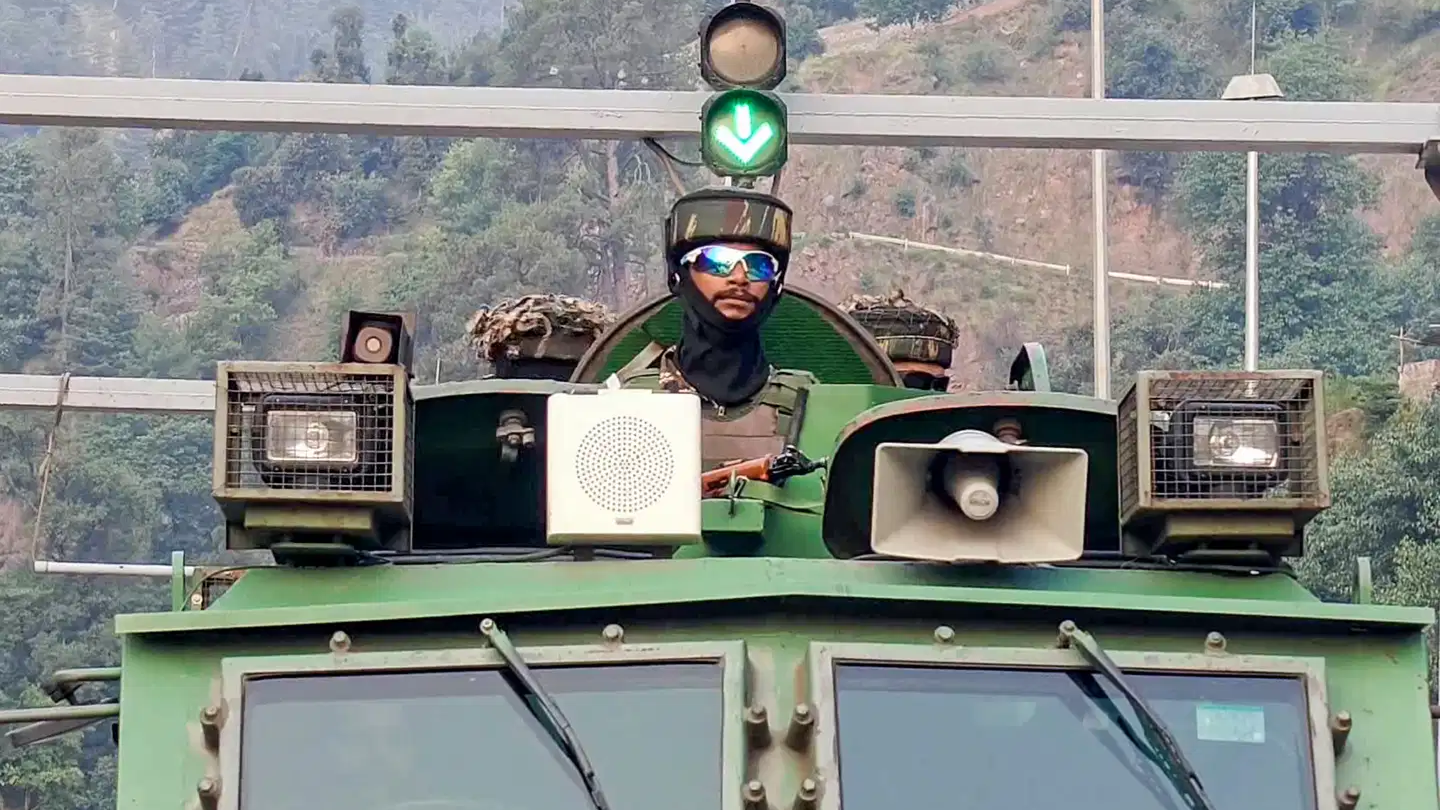
As the annual Amarnath Yatra is set to begin on July 3, security agencies have put in place an extensive surveillance and defence network along the pilgrimage routes in Jammu and Kashmir.
The Indian Army, along with the Central Reserve Police Force, Jammu and Kashmir Police and other security agencies, has deployed advanced aerial defence systems to safeguard lakhs of pilgrims expected to undertake the journey this year.
The pilgrimage will continue till August 28 through the traditional Pahalgam route in Anantnag district and the shorter Baltal route in Ganderbal district.
Also Read | India tears into Pakistan over Afghanistan strikes, says violence won't hide internal failures
Anti-drone systems and radar surveillance
The Army has installed an Integrated Drone Detection and Interceptor System (IDDIS), Low Level Lightweight Radar (LLLR) and L-70 and ZU anti-aircraft guns at key locations along the route, per a report by The Times of India.
Officials quoted by TOI said drones are being flown regularly by security agencies during morning and evening hours, while additional sorties are conducted whenever necessary according to standard operating procedures.
 Jammu and Kashmir Police's SOG and NSG personnel in action during a mock drill at Raghunath Temple ahead of the Amarnath Yatra. File image/ANI
 Nearly 100 transit camps on both the Pahalgam and Baltal routes are under continuous aerial surveillance. Surveillance equipment has also been placed on high ridges to monitor movement and vulnerable areas along the pilgrimage route.
The entire anti-drone network is being coordinated by the Army Air Defence unit. Authorities have also made prior permission mandatory for any drone operations to prevent confusion during surveillance activities.
New technology added to security grid
The IDDIS system, which was earlier deployed during the previous yatra, combines soft-kill and hard-kill capabilities to counter hostile drones. It can jam communication and navigation systems or physically neutralise aerial threats.
Also Read | Fresh China incursion in Arunachal? Army says reports are 'incorrect and without any basis'
The Low Level Lightweight Radar has been introduced for the first time during the pilgrimage. The radar is designed to detect low-flying objects, including drones, at distances ranging between 20 and 50 kilometres.
L-70 and ZU anti-aircraft guns have also been positioned at strategic points to provide close-range air defence.
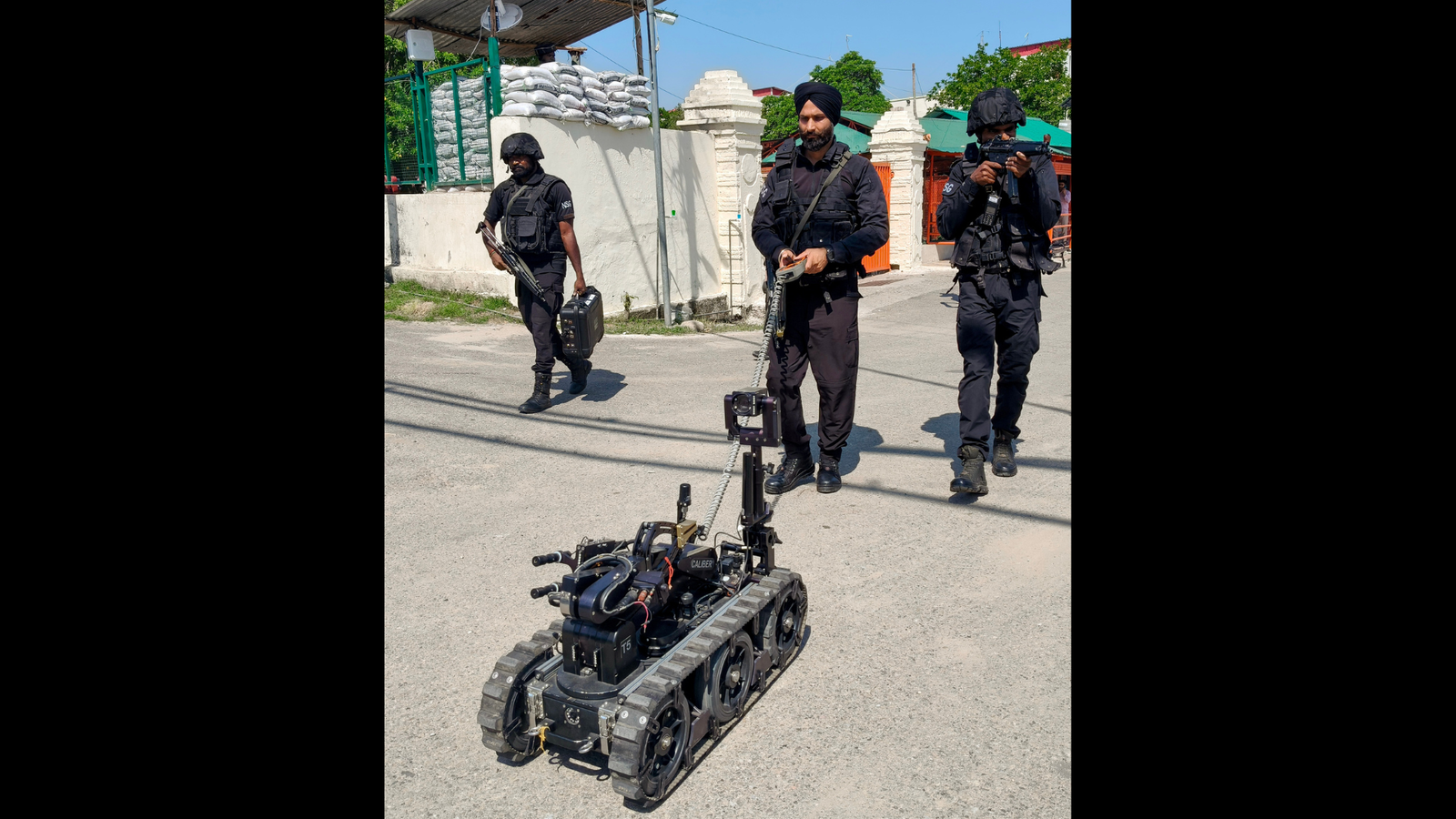 A National Security Guard (NSG) official operates a robot during a mock drill ahead of the Amarnath Yatra, in Jammu, on June 23. File image/ANI
 Lessons from past attacks
The Amarnath Yatra has remained a target for terrorist groups for many years. The 2000 attack near the Nunwan base camp, which killed several pilgrims, remains one of the deadliest incidents linked to the pilgrimage.
Following last year's attack on tourists in Pahalgam, authorities reviewed security arrangements across the region. Thousands of security personnel from the Army, CRPF, Jammu and Kashmir Police and other forces have now been deployed to secure the pilgrimage routes.
FAQs:
What security systems have been deployed for the Amarnath Yatra?
The Army has deployed anti-drone systems, radars and anti-aircraft guns along the pilgrimage routes.
Why has security been increased for the Amarnath Yatra?
The pilgrimage has faced terror threats in the past, prompting authorities to strengthen security each year.