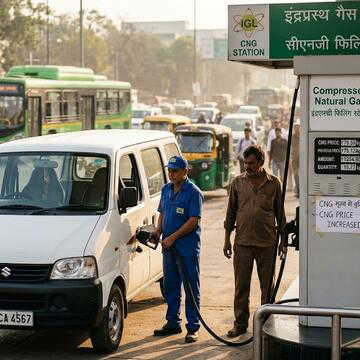
CNG prices have been raised by ₹2 per kilogram, marking the fourth hike within a span of less than 15 days. With the latest revision, the rate in Delhi has reached ₹83.09 per kg, effective Tuesday. This comes just three days after the previous increase of ₹1, reflecting a steady upward trend in fuel costs.
The repeated revisions are being linked to disruptions in global energy supply, driven by escalating tensions in West Asia. The ongoing conflict has had a direct impact on fuel pricing, with both domestic and international markets reacting to supply uncertainties.
West Asia conflict drives fuel price surge
The sharp rise in fuel prices is closely tied to the situation around the Strait of Hormuz, a crucial global energy corridor. The waterway, responsible for transporting nearly one-fifth of the world’s energy supplies, has faced severe disruption amid the conflict involving US-Israeli strikes on Iran.
Also Read | CNG prices rise again across Delhi and North India amid mounting fuel cost pressure
Drone and missile exchanges in the region have effectively blocked the passage, raising concerns about supply shortages. Iran’s geographical position gives it significant control over the strait, further intensifying the situation.
Petrol and diesel prices also climb
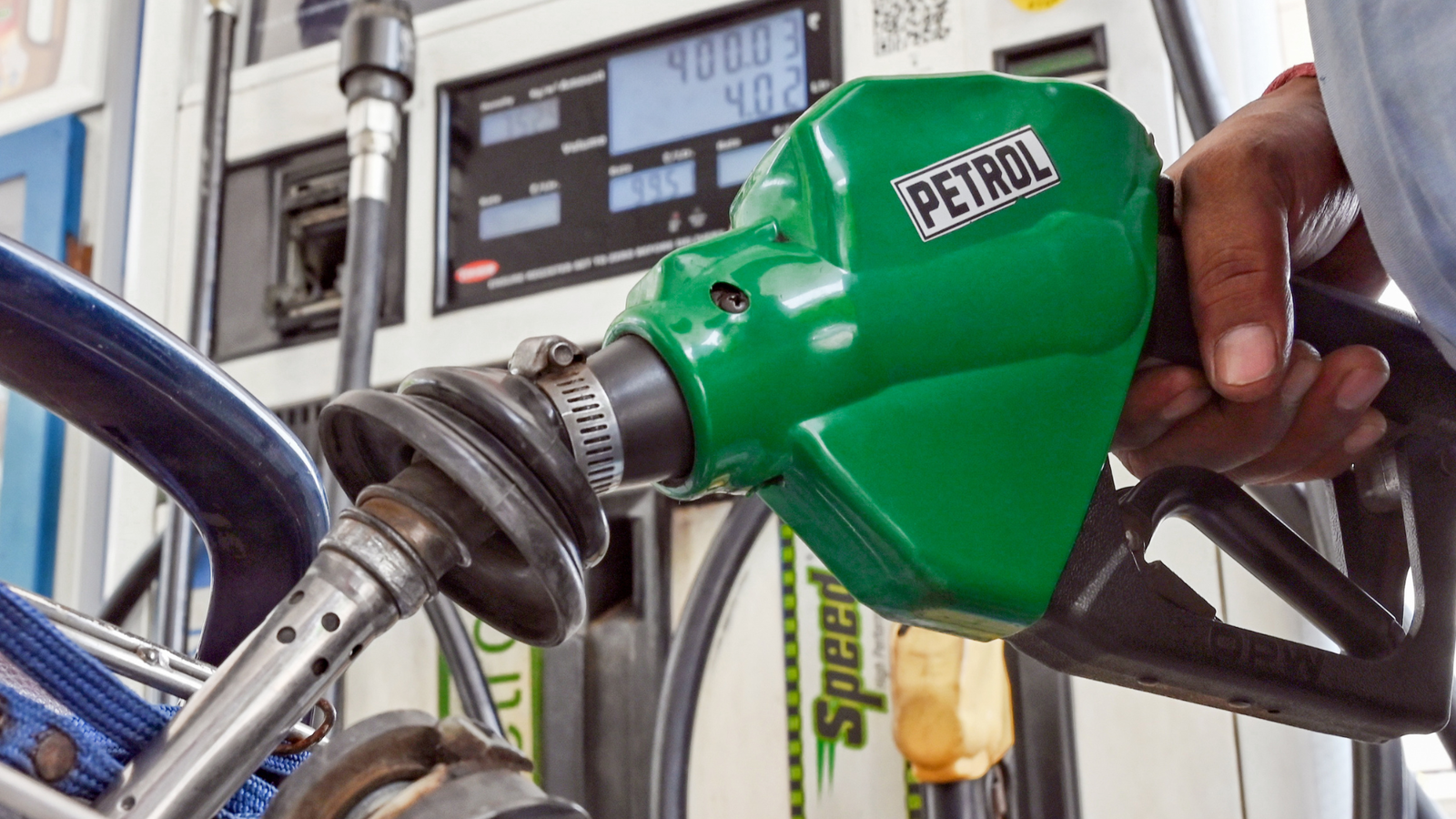
Petrol and diesel prices have also been revised multiple times over the past two weeks. On Monday, petrol prices were increased by ₹2.61 per litre and diesel by ₹2.71 per litre. This marked the fourth hike in a short period, pushing overall increases since May 15 to nearly ₹7.5 per litre.
In Delhi, petrol prices have crossed the ₹100 mark again, reaching ₹102.12 per litre from ₹99.51. Diesel rates have also moved up to ₹95.20 per litre from ₹92.49.
Also Read | Delhi watchman crushed to death in revenge attack, four accused held
OMCs recovering losses amid price adjustments
According to industry executives and sector analysts, the ongoing price revisions are unlikely to stop immediately. State-run oil marketing companies are not only addressing current losses but also attempting to recover earlier under-recoveries on fuels.
Petroleum ministry joint secretary Sujata Sharma said the initial daily losses of OMCs were to the tune of ₹1,000 crore (before first price hike on May 15), which is reduced to “slightly less than ₹600 crore” after price hikes.