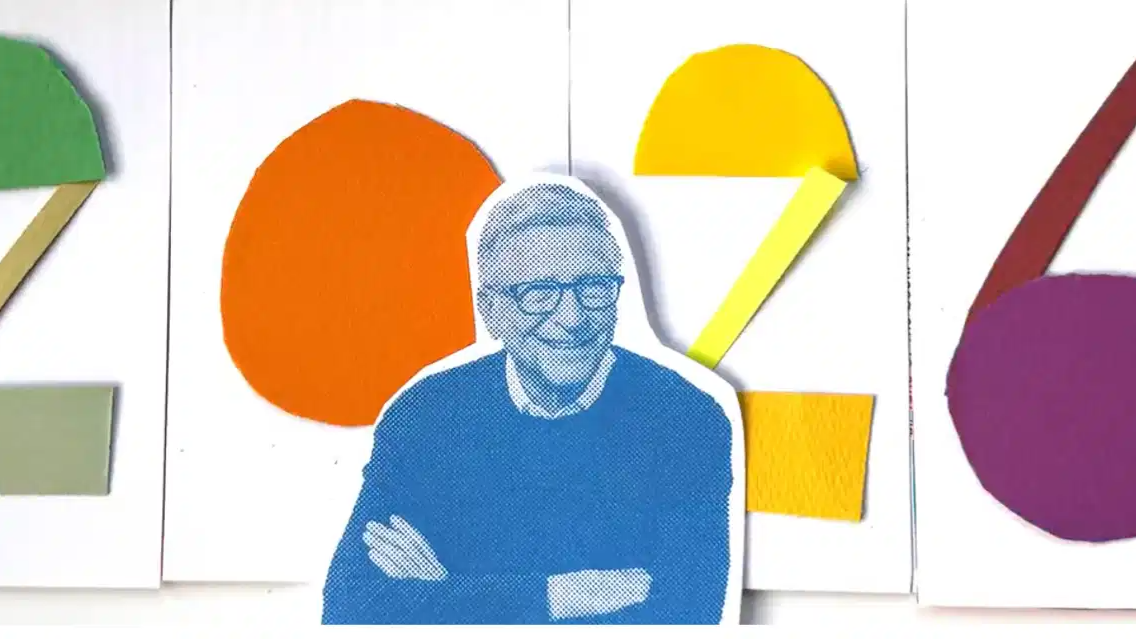
In his annual letter for the year 2026 titled "Optimism with footnotes", Microsoft co-founder Bill Gates thinks about "how the year ahead will set us up for the decades to come".
While the philanthropist said that he tries to maintain long-term optimism, he revealed how a key metric of progress, child mortality, has gone backwards.
Also Read | Where are Renee Nicole Good's children now? Here’s the update on custody after the shooting
"The thing I am most upset about is the fact that the world went backwards last year on a key metric of progress: the number of deaths of children under 5 years old, he said as he continued talking about the number of deaths for children under the age of five.
Gates highlighted that "in 2025, they went up for the first time this century, from 4.6 million in 2024 to 4.8 million in 2025—an increase driven by less support from rich countries to poor countries. This trend will continue unless we make progress in restoring aid budgets".
'I am still an optimist...'
In response to how he stays optimistic in an era with so many challenges and polarisation, Gates said, "I am still an optimist because I see what innovation accelerated by artificial intelligence will bring. But these days, my optimism comes with footnotes."
"As hard as last year was, I don’t believe we will slide back into the Dark Ages. I believe that, within the next decade, we will not only get the world back on track but enter a new era of unprecedented progress," he added.
Gates asks three key questions
In his letter, Bill Gates says that although the innovation pipeline prepares us for long-term success, the path of progress depends on how the world answers three key questions.
Also Read | Did Donald Trump call himself 'acting president of Venezuela’? Here’s the truth behind the post
The questions are: 'Will a world that is getting richer increase its generosity toward those in need?', 'will the world prioritise scaling innovations that improve equality?' and 'will we minimise negative disruptions caused by AI as it accelerates?'
Bridging disparities
In a bid to bridge the disparities in wealth, he said that the idea of treating others the way you want to be treated goes beyond just rich countries giving aid. It should also involve wealthy individuals helping those in need. This support, he said, should increase quickly, especially in a time when there are more billionaires and even centibillionaires than ever before.
"More needs to be done to encourage higher levels of generosity from the rich and to show how fulfilling and impactful it can be," he said.
Climate change
Talking about climate change, he said, "Some problems require doing far more than just letting market incentives take their course."
"The first critical area is climate change. Without a large global carbon tax (which is, unfortunately, politically unachievable), market forces do not properly incentivise the creation of technologies to reduce climate-related emissions," he added.
Also Read | US monitoring Iran 'closely, considering very strong options', says Trump
He called for replacing all emitting activities with cheaper alternatives to stop temperature increase. "This is why I started Breakthrough Energy 10 years ago and why I will continue to put billions into innovation," he said.
Artificial Intelligence
"Of all the things humans have ever created, AI will change society the most. It will help solve many of our current problems while also bringing new challenges very different from past innovations," said Gates.
However, he said that the two main challenges in the next decade are the use of AI by bad actors and the impact on the job market. Both pose real risks that we must manage more effectively. "We'll need to be deliberate about how AI is developed, governed and deployed," he said.