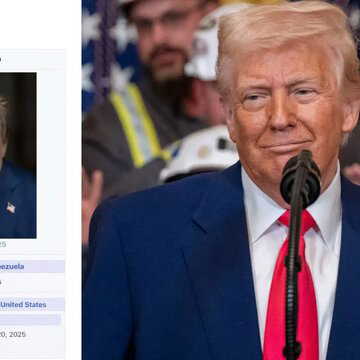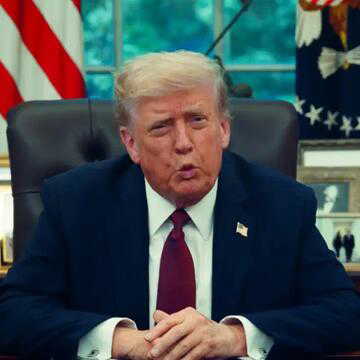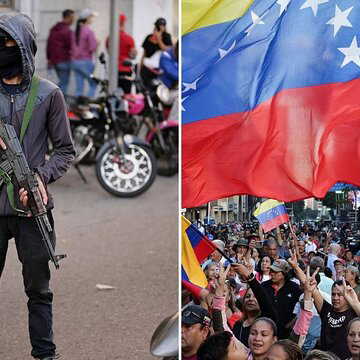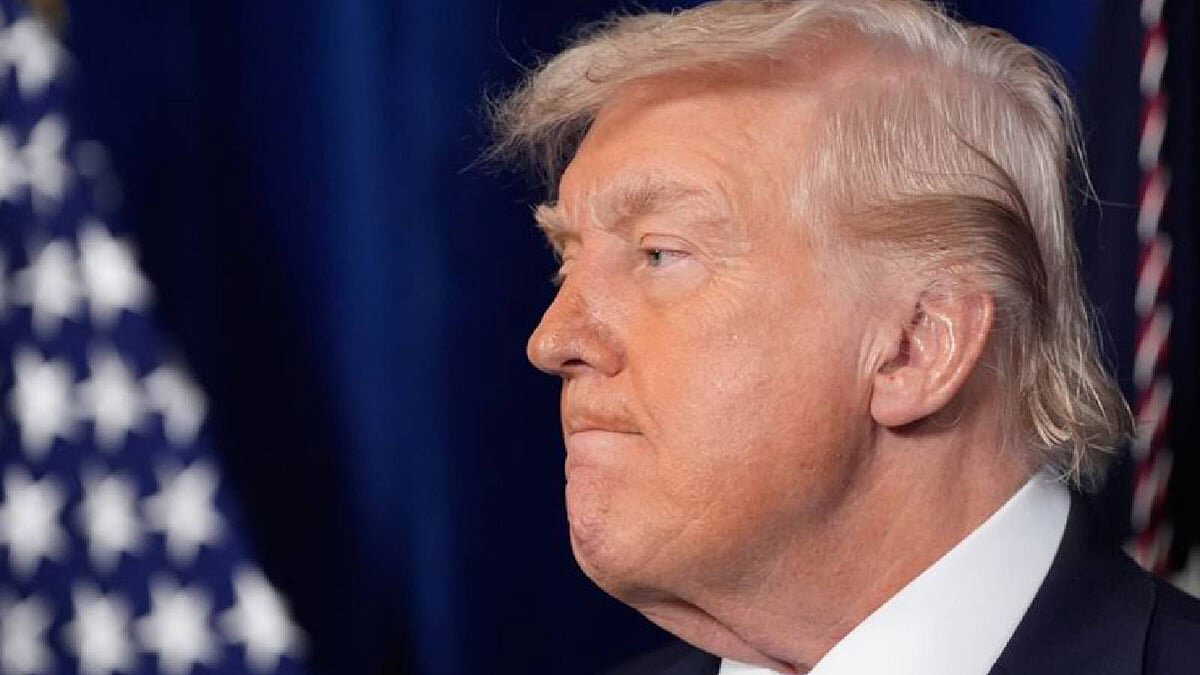
After the arrest of Venezuelan President Nicolás Maduro and his wife, President Donald Trump shifted US attention directly to Venezuela’s oil reserves. On Friday, Trump met with a dozen industrialists at the White House and called for substantial investment in the country’s oil sector. He made it clear that the industrialists would conduct business with the United States, not with Venezuela. In his remarks, Trump emphasised that America would benefit by using the oil stored in Venezuela.
At the meeting, President Trump outlined plans for at least $100 billion in investment in Venezuela’s oil industry. He assured the industrialists that if they invested in the country, they would receive 'complete security' and protection from the US government.
Also Read | Where are Renee Nicole Good's children now? Here’s the update on custody after the shooting
He repeatedly stated, "You’re dealing with us directly and not dealing with Venezuela at all. We don’t want you to deal with Venezuela. Our giant oil companies will be spending at least $100 billion of their money, not the government’s money. They don’t need government money. But they need government protection," according to an AP News report.
Now the question arises, whether Trump’s primary objective was to access Venezuela’s oil, retribution against Maduro or punishment for alleged involvement in drug trafficking, as Trump appears to be moving toward establishing US control over that country’s oil reserves, revealing his plan.
The US President described the meeting as 'fantastic' and said the agreements reached would bring significant investment to the sector. He claimed that increased fuel production and lower oil prices would benefit both the United States and Venezuela. Trump stated, "A lot of money is going to be made. Oil prices will come down, although they are getting down pretty good now without it, and it was a great meeting we had today with the biggest companies anywhere in the world."
Also Read | Bill Gates pens letter for 2026, says 'world went backwards last year'
Owners and executives from major energy companies, including Chevron, ExxonMobil, and ConocoPhillips, were present at the meeting. Congress and other stakeholders will now consider how these commitments proceed in light of the evolving political and economic landscape.