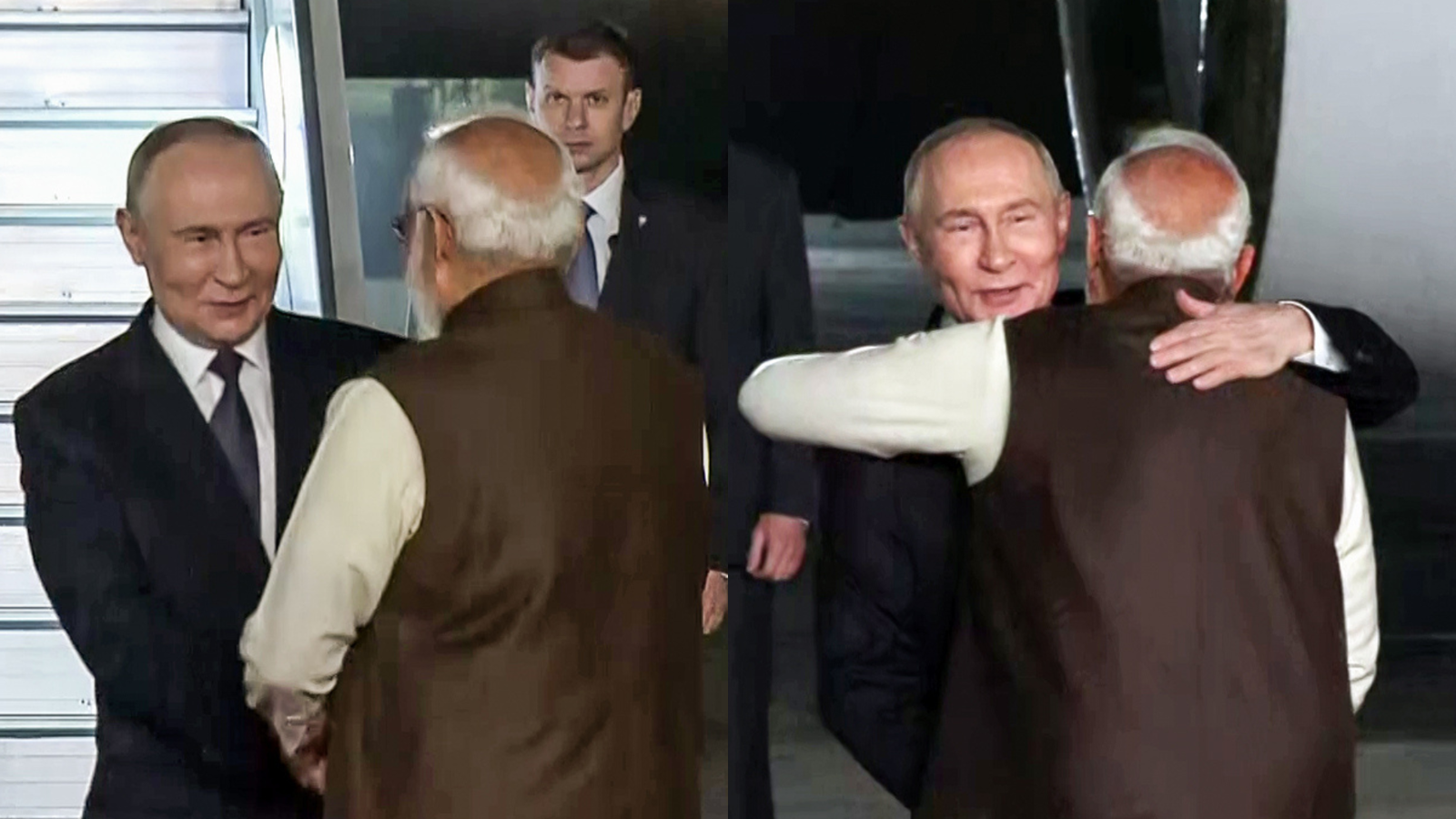
Russia on Monday said that it is ready to step in and meet India’s full energy demand if prolonged disruptions affect the country’s oil and gas supplies, according to PTI. The development comes as tensions escalate in West Asia after the United States and Israel carried out strikes in Iran, targeting its military and naval forces. Tehran later retaliated, raising fears of a wider regional conflict that could affect global energy supplies.
“We are ready to fulfil the demands of India's energy needs in case of continued disruption of energy supplies,” an official from the Embassy of the Russian Federation said.
The situation became more serious after QatarEnergy halted liquefied natural gas (LNG) and related production on March 2. The suspension followed an Iranian drone attack on key facilities at Ras Laffan Industrial City and Mesaieed Industrial City.
ALSO READ | Nepal’s high-stakes election with 18.9 million voters and 275 seats: Key points to know
Hormuz closure raises supply concerns
India’s energy security concerns grew further after Iran’s Islamic Revolutionary Guard Corps (IRGC) announced the closure of the Strait of Hormuz, a key global oil shipping route located between Oman and Iran.
According to Kpler, nearly 13 million barrels of oil per day pass through the Strait, accounting for about 31 percent of all seaborne crude flows. India relies heavily on West Asia for crude oil and LNG imports, although the country has diversified its suppliers in recent years, including increasing purchases from Russia.
However, the Ministry of Petroleum and Natural Gas said India currently has enough reserves to handle short-term disruptions.
The ministry said the country has adequate crude reserves and sufficient stocks of essential fuels such as petrol, diesel and aviation turbine fuel (ATF). It also said, “India has ensured both availability and affordability of energy for its population by diversifying its sources. Indian energy companies now have access to energy supplies that are not routed through the Strait of Hormuz.”
According to a Bloomberg report, if the crisis continues and energy flows remain restricted, the government may consider limiting fuel exports to ensure sufficient supply for domestic consumers. Authorities could also prioritise household gas and piped supplies and ask industrial users to switch to alternative fuels.
ALSO READ | 'Not the age of Winston Churchill': Donald Trump lashes out at Keir Starmer over Diego Garcia base delay
Russian oil imports and trade tensions
India’s imports of Russian oil increased significantly after the Russia-Ukraine war began in 2022 and Western sanctions were imposed on Moscow.
In August 2025, US President Donald Trump’s trade advisor Peter Navarro said in a post on X (formerly Twitter) that before Russia launched its full-scale invasion of Ukraine, India imported less than one percent of its oil from Russia. He said the share later increased to between 35 percent and 40 percent.
However, India reportedly had to agree to stop purchasing Russian oil in order to sign a Bilateral Trade Agreement with the United States.
Trump had earlier announced sweeping “Liberation Day” tariffs and imposed 50 percent tariffs on India. Of this, 25 percent was imposed as a penalty for India’s continued purchase of Russian oil, with Washington accusing New Delhi of funding Russian President Vladimir Putin’s war in Ukraine.
Under a bilateral deal agreed in February 2026, Trump said India would instead buy more oil from Venezuela.
Since then, India has reduced its Russian oil imports significantly. In February, India loaded just over one million barrels per day from Russia. This was roughly half the amount imported during the peak period and the lowest level since September 2022.
Much of the gap has been filled by oil imports from the Middle East.
However, it remains unclear whether India may need to increase Russian oil imports again if the Strait of Hormuz remains closed or if Iran eventually reopens the waterway.