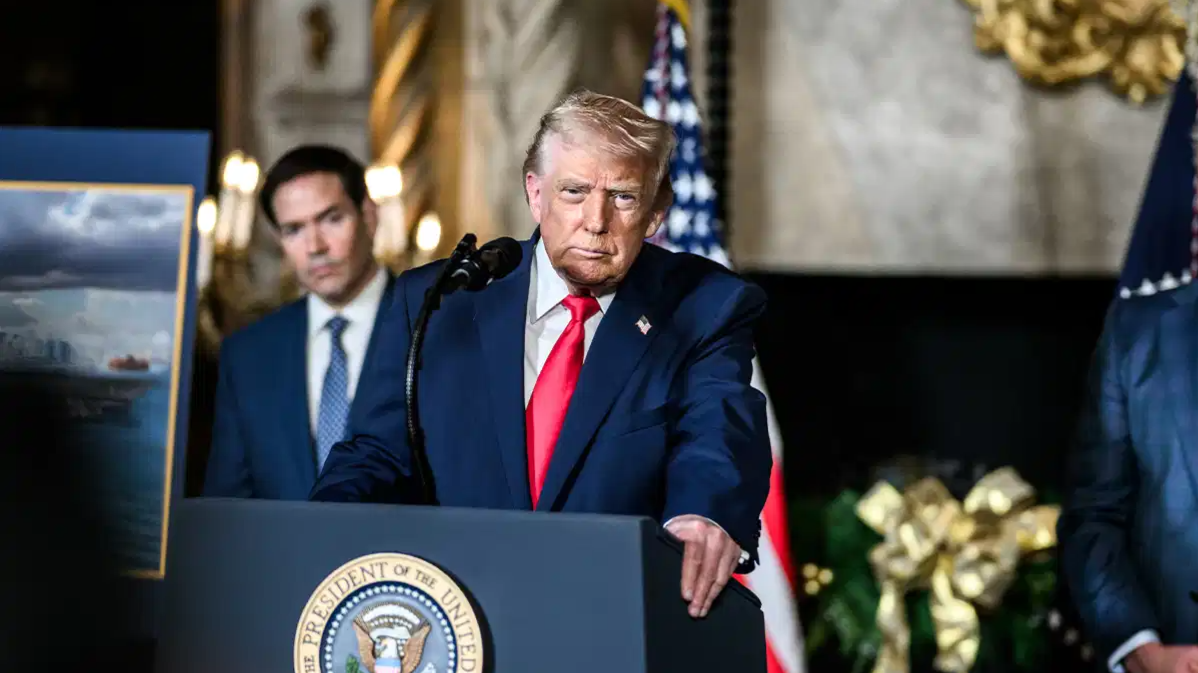
US President Donald Trump has said that leaders of Israel and Lebanon are set to hold a rare meeting on Thursday, marking what could be the first such interaction in decades.
"Trying to get a little breathing room between Israel and Lebanon. It has been a long time since the two leaders have spoken, like 34 years. It will happen tomorrow. Nice!" he wrote on Truth Social.
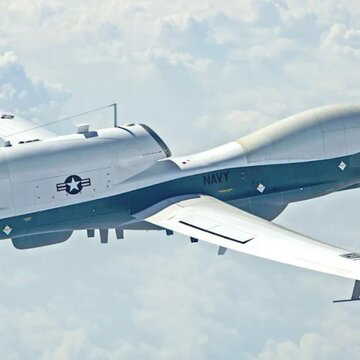
Also Read | Costliest loss yet? $240 million US Navy drone crashes over Persian Gulf in major setback
While Trump did not name the participants, the reference is believed to be to Israeli Prime Minister Benjamin Netanyahu and Lebanese President Joseph Aoun.
A rare moment in strained ties
High-level engagement between Israel and Lebanon has been extremely limited. The two countries have technically remained in conflict since 1948 and do not share formal diplomatic relations.
The last known top-level interaction dates back to 1983, following the Lebanon War, when US-mediated talks resulted in a short-lived truce. Later negotiations in 1993 during Israeli military operations were not held at the leadership level.
Ceasefire talks and conditions
Lebanon is expected to push for a ceasefire as a precondition for any direct engagement. However, Israel has so far not agreed to such terms, continuing its operations against Hezbollah.
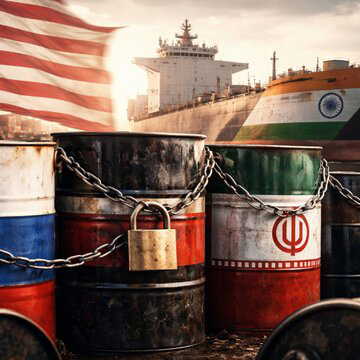
Also Read | ‘We will not be renewing...’: US ends Russian, Iranian oil waivers; India among key buyers hit
The Israeli security Cabinet discussed a possible ceasefire during a meeting on Wednesday, but no final decision was reported.
According to officials cited by the Financial Times, a ceasefire announcement could follow once Israeli ground operations conclude in Bint Jbeil, a key town in southern Lebanon.
Conflict and rising toll
The ongoing conflict has become a key issue in broader regional tensions linked to the US-Israeli confrontation with Iran. Fighting between Israel and Hezbollah escalated after the killing of Iranian Supreme Leader Ayatollah Ali Khamenei, which triggered retaliatory attacks.
Israel has since carried out extensive airstrikes and deployed ground forces into Lebanese territory, aiming to establish what some officials describe as a buffer zone.
According to Lebanon's Health Ministry, at least 2,167 people have been killed since March 2, including civilians and medical personnel. Israeli forces have also reported casualties during the ground offensive.