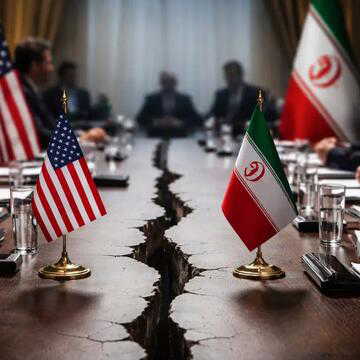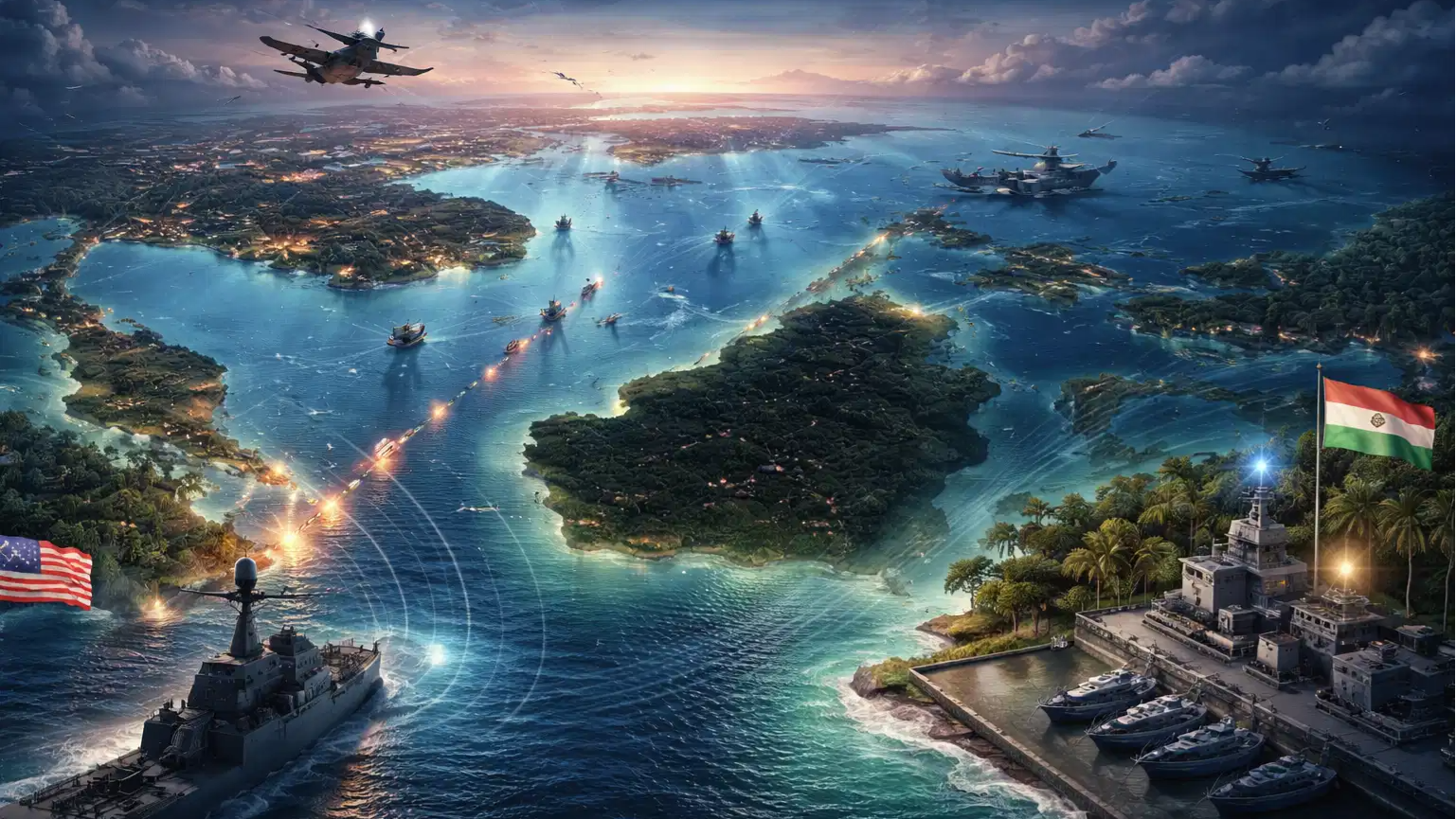
As tensions build around the Strait of Hormuz, where the United States has stepped up pressure on Iranian-linked maritime activity, attention is also shifting eastward. A new defence arrangement between the United States and Indonesia has sparked speculation that Washington may be expanding its focus to the Strait of Malacca, a vital global trade route connecting the Indian Ocean to East Asia.
The agreement, finalised earlier this week, allows US military aircraft greater operational access to Indonesian airspace, NDTV reported. While officially framed as enhanced defence cooperation, it could also improve surveillance reach over the Malacca Strait, a corridor jointly managed by Indonesia, Malaysia and Singapore.
Also Read | Who is Mayushi Bhagat? Indian student missing for 6 years in US; FBI announces Rs 9.38 lakh reward
Why Malacca matters
Unlike Hormuz, known for oil shipments, the Strait of Malacca carries a broader mix of global trade, from energy supplies to electronics and industrial goods. Its importance lies in the sheer volume it handles, including a substantial share of global oil flows.
The route is especially critical for East Asian economies. China depends heavily on this passage for energy imports, a reliance often described as the "Malacca Dilemma", a strategic vulnerability in times of conflict. For the US, the strait holds military significance as well, with its narrow stretches making it a potential choke point.
India's vantage point
These developments also bring India into sharper focus. The Andaman and Nicobar Islands, located near the western entry to the Strait, provide a natural vantage point to monitor maritime movement.
India's presence in the region is backed by military infrastructure, including its southernmost air station at Campbell Bay. Ongoing infrastructure projects are expected to further strengthen its ability to track activity along one of the world’s busiest sea lanes. This proximity could support closer coordination between India and the US, particularly in the Indo-Pacific context.
Regional sensitivities remain
Any expanded US role in the Malacca Strait would need to navigate complex regional dynamics. Indonesia and Malaysia have long-standing sensitivities over sovereignty and maritime control, while Singapore's advanced port ecosystem makes stability in the Strait crucial for its economy.
Also Read | US Navy begins demining mission in Strait of Hormuz, safe corridor planned
Recent debates over maritime tolls and restrictions have added to regional concerns. Against this backdrop, Washington's evolving posture suggests a broader attempt to secure multiple strategic corridors at once, even as local sensitivities continue to shape the response.