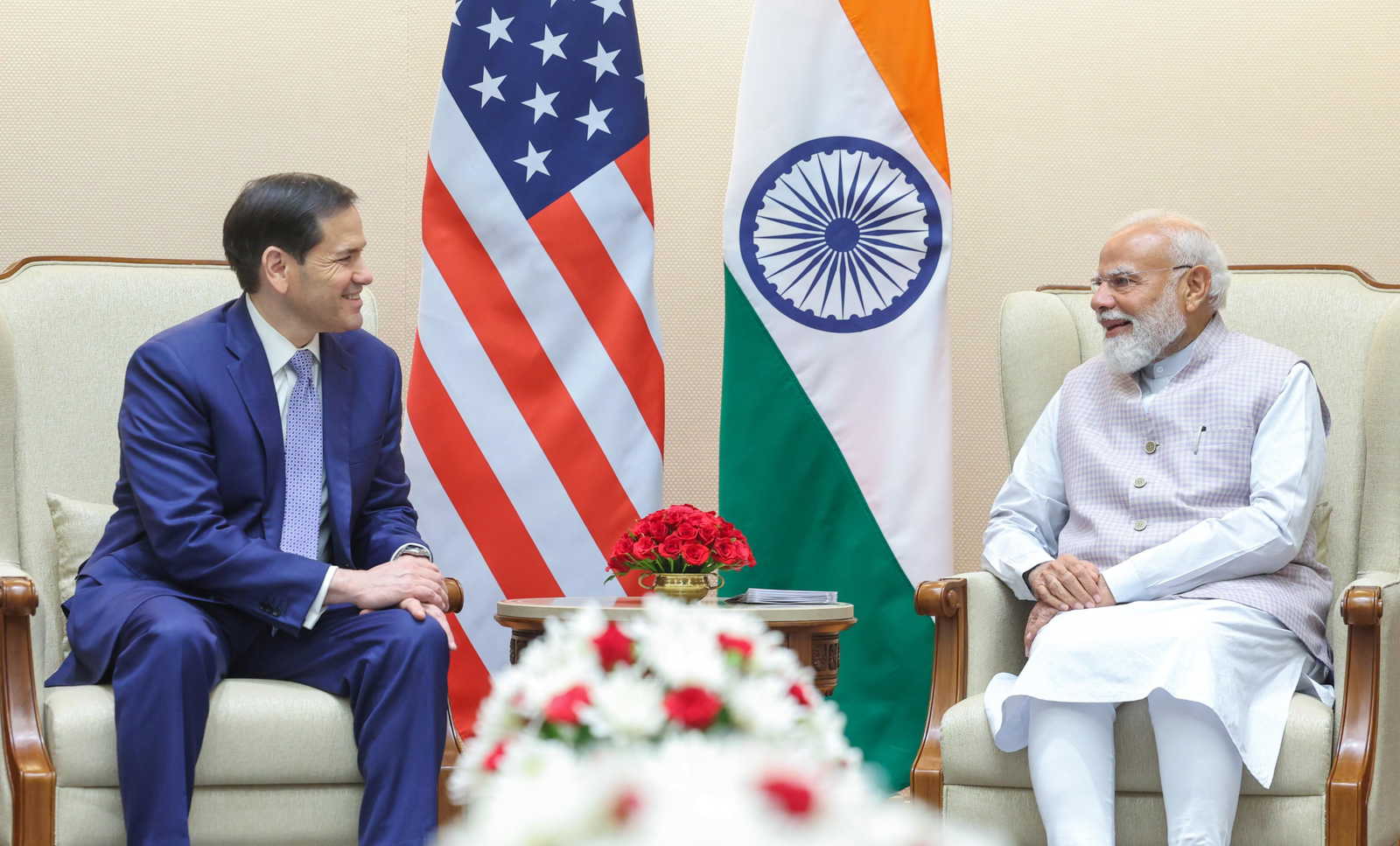
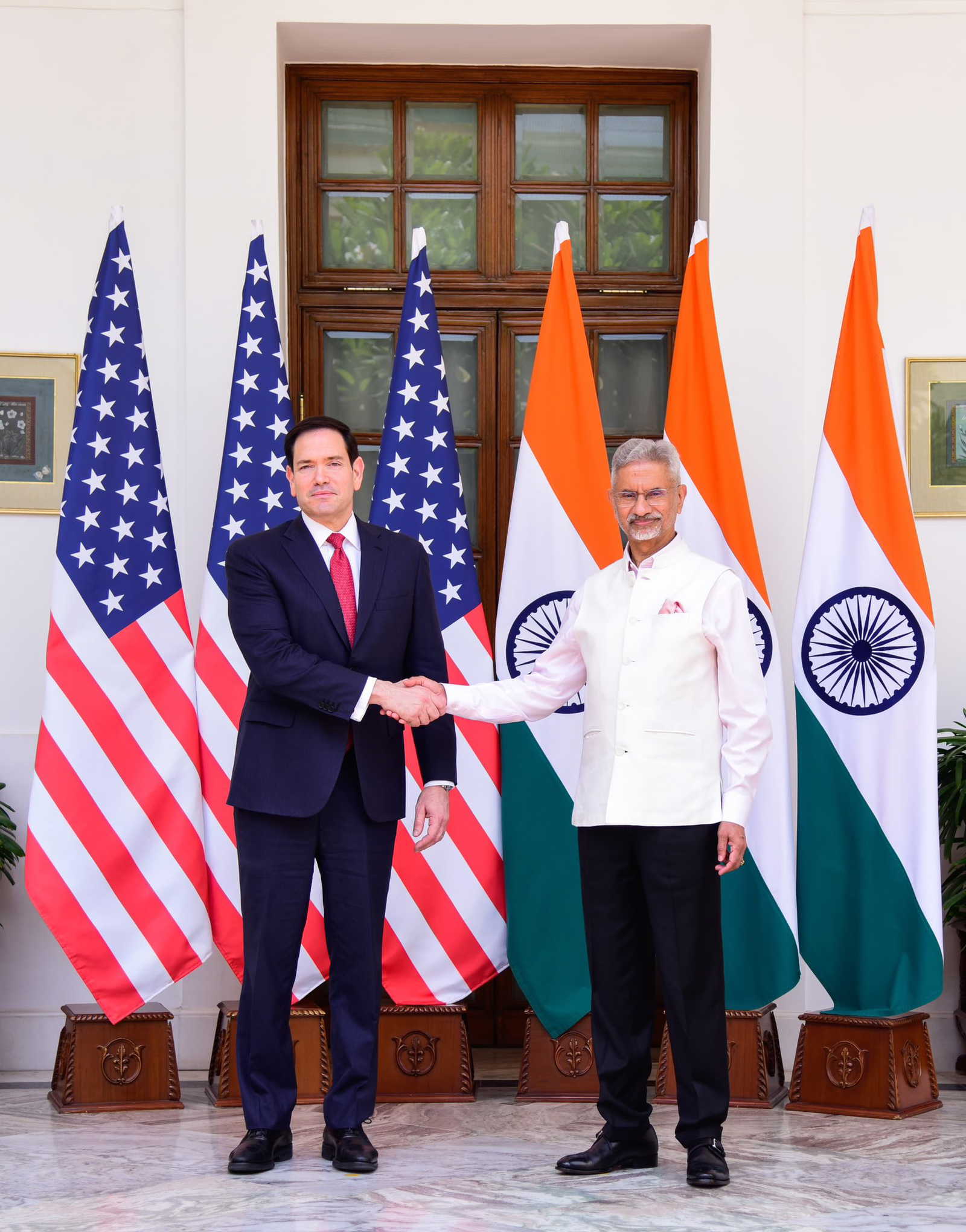
India and the United States on Tuesday signed a sweeping agreement on critical minerals and rare earth cooperation, marking a major strategic outcome from US Secretary of State Marco Rubio’s four-day visit to New Delhi.
The framework agreement, signed by External Affairs Minister S. Jaishankar and Rubio, is aimed at building secure and diversified supply chains for minerals that are crucial for semiconductors, electric vehicles, defence manufacturing and advanced telecommunications.
Also Read | Dharmendra Pradhan reviews CBSE payment gateway overhaul with SBI, BoB, Canara Bank, Indian Bank
The deal comes at a time when countries around the world are seeking to reduce their dependence on China, which currently dominates the global processing market for rare earth materials.
 (X/@marcorubio)
Strategic push beyond trade
According to the Hindustan Times, officials from both countries described the agreement as more than a conventional trade arrangement. The framework covers the entire supply chain, including mining, refining, processing, recycling, and investment cooperation.
The agreement traces its roots to the meeting between Prime Minister Narendra Modi and former US President Donald Trump in Washington in February 2025, where securing critical mineral supply chains emerged as a shared strategic objective.
Government officials said the framework now creates a formal institutional structure for joint ventures, co-financing arrangements, and long-term industrial cooperation between companies from both nations.
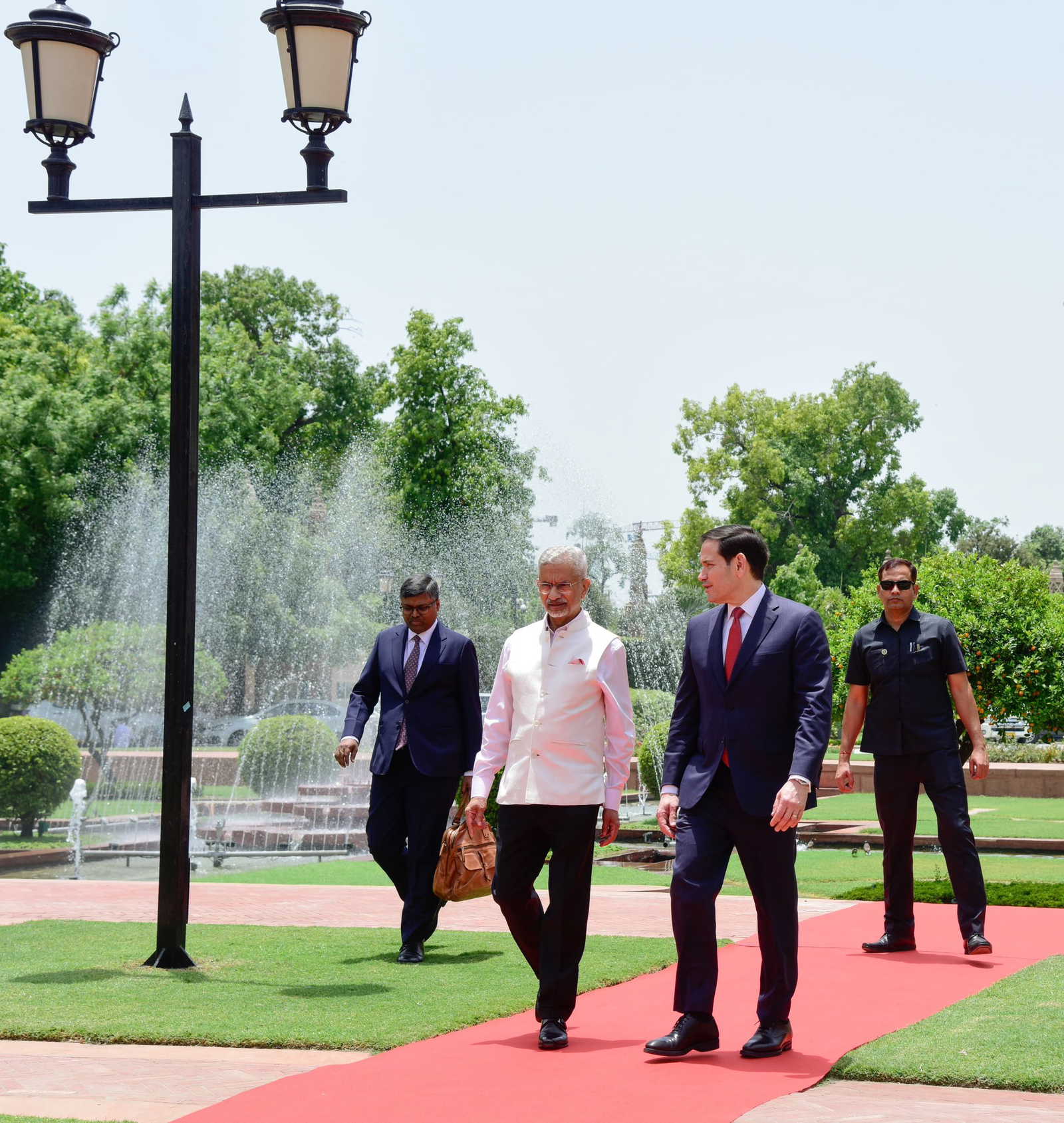 India possesses sizeable reserves of several key minerals, including lithium, cobalt, and titanium (X/@marcorubio)
Why critical minerals matter
According to the Hindustan Times, critical minerals such as lithium, cobalt, and rare earth elements are considered essential for modern economies. They are used in electric vehicle batteries, fighter aircraft systems, semiconductors, renewable energy technologies, and defence equipment.
India possesses sizeable reserves of several key minerals, including lithium, cobalt, and titanium, but still lacks sufficient domestic processing capacity. The United States, meanwhile, brings advanced technology, financing support, and access to larger industrial markets.
Industry experts believe the partnership could help India accelerate the development of its domestic mineral processing ecosystem while allowing Washington to diversify sourcing away from China-dominated networks.
 Rubio’s first visit to India included discussions on defence cooperation, regional security, and trade issues (X/@marcorubio)
Rubio visit deepens strategic ties
According to the Hindustan Times, Rubio’s first visit to India as Secretary of State also included discussions on defence cooperation, regional security, and trade issues. While tariff-related concerns reportedly figured in bilateral talks, the minerals framework emerged as the defining outcome of the visit.
Also Read | IndiGo Bengaluru-Chennai flight evacuated after smoke detected during taxiing
The agreement also complements other strategic initiatives between the two countries. India joined the US-led Pax Silica initiative earlier this year, and both countries remain active participants in the Forum on Resource Geostrategic Engagement, or FORGE.
Analysts say the real challenge now lies in translating the framework into operational mining and processing projects, especially given India’s lengthy environmental approval procedures. Even so, the signing underlines the growing depth of India-US strategic cooperation in sectors seen as critical to the future global economy.