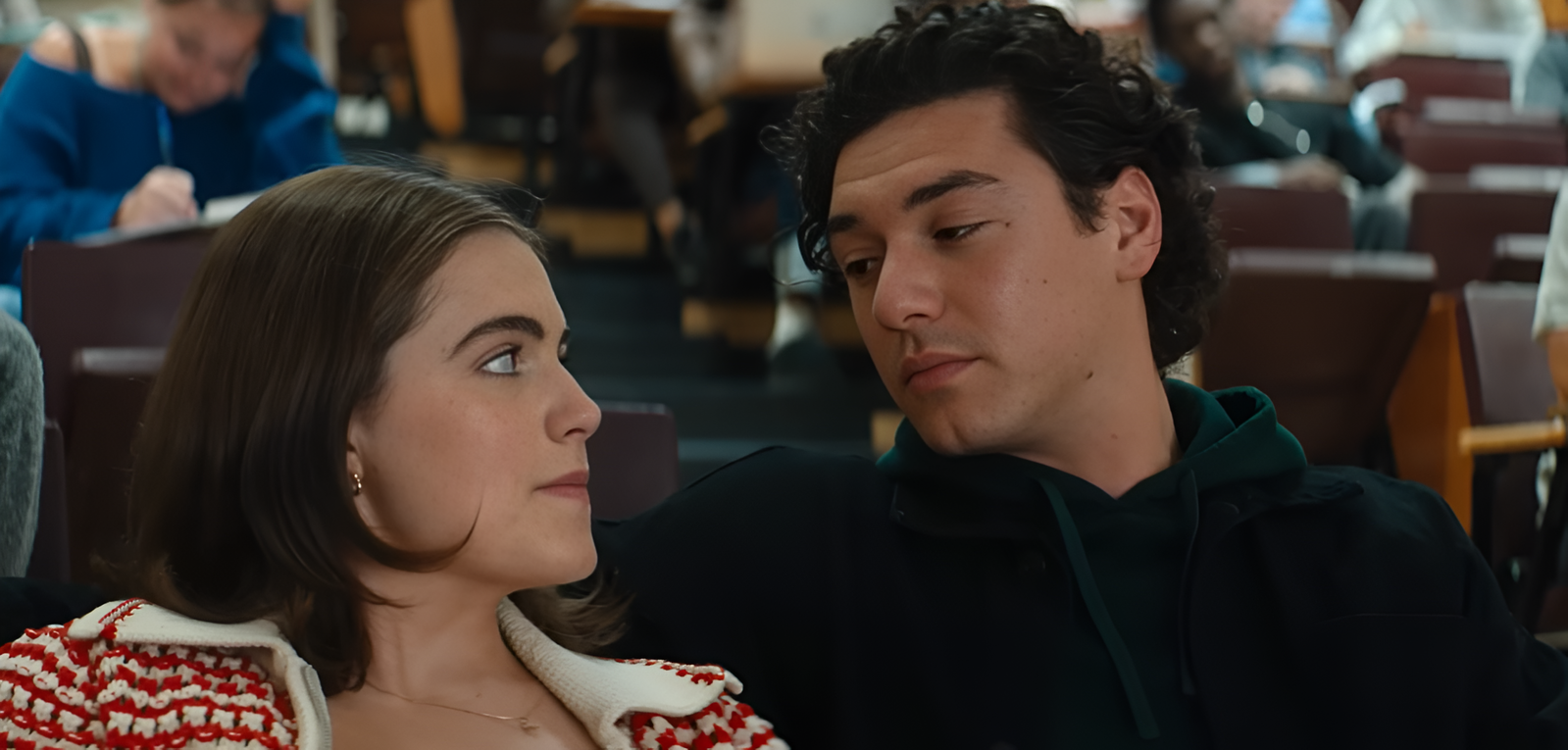
When Off-Campus premiered earlier this month, viewers quickly turned it into one of social media’s most heavily discussed young-adult dramas However, there’s a larger cultural discussion that has emerged around the themes of representation, beauty ideals and how audiences approach female-led media.
The key figure at the center of the ongoing debate is Ella Bright, an actress who portrays Hannah Wells in the show. The majority of female fans have commended Off-Campus for depicting a young romantic interest with a curvy, healthy physique instead of making her looks the core of the storyline. According to many comments left by female fans, casting Ella Bright as a lead character in a romance story is a rare thing indeed.
Also Read | Emily Cooper’s journey ends: Netflix announces final season of ‘Emily in Paris’
Meanwhile, another equally heated online discussion started surrounding Bright’s body, instead of her performance in the role.
Representation versus objectification
The online response to Off-Campus has highlighted what media critics increasingly describe as a split in digital viewing culture.
For many women, the series represented a shift away from long-standing stereotypes that often reduced fuller-figured female characters to comic relief, hypersexualised figures or side characters.
The show instead places Hannah at the centre of an emotional coming-of-age narrative without repeatedly framing her body as a “problem” requiring explanation. That approach resonated strongly with viewers who said they rarely saw their body type treated normally in romantic storytelling.
At the same time, critics pointed to online posts that sexualised Bright or mocked her appearance, arguing that the reaction reflected how digital culture still often treats women’s bodies as public property open to commentary and judgment.
The discussion has also reignited debates around the persistence of the “male gaze” in internet culture — a term often used to describe media and audience behaviour that frames women primarily through objectification.
A wider conversation about internet culture
Off Campus emerges amidst a new wave in discussions on body image on social media.
In the last year, social media trends surrounding the promotion of extremely thin appearances, waif fashion culture, and weight loss of celebrities have taken over apps such as TikTok and Instagram.
While the body positivity movement has been instrumental in the promotion of diverse body images throughout the decade, critics assert that it was largely superficial.
Against that backdrop, Off-Campus has become more than just another streaming romance series. For supporters, the show represents a rare example of normalised representation rather than performative diversity. The online backlash, however, has also exposed how quickly representation can turn into scrutiny in the age of algorithm-driven engagement and viral commentary.
More than just a casting debate
According to media critics, the controversy around the casting of Ella Bright is indicative of the deeper issues at play within internet culture today, whereby discussion of representation frequently becomes entangled with traditional online practices of objectification.
Also Read | Pedro Pascal and Baby Yoda return in The Mandalorian & Grogu — fans are divided
Furthermore, the controversy has served to demonstrate the increasing role that fandom culture, Reddit discussions, and shorter social media platforms have begun to play in the development of public discourse regarding actors and television programs.
At present, Off Campus remains trending, not just as a young adult love story, but also as a broader discussion of representation, identity, and who gets to be in the spotlight without being made into a story themselves.