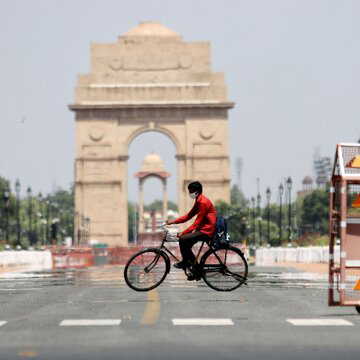
As large parts of India brace for intense heatwave conditions, concerns are growing not just about public health but also the wider economic fallout. Alerts issued by the India Meteorological Department (IMD) across multiple regions signal a prolonged period of extreme temperatures, with experts warning of serious consequences for productivity, incomes and healthcare expenses.
Economic strain from rising temperatures
Heatwaves are increasingly being seen as an economic challenge. "Heatwaves in India are no longer just a health problem; they're a major economic crisis," says Dr Sujit Paul of Zota Healthcare Ltd, per NDTV.
Also Read | What’s on agenda at Heads of Mission meet? Here's all you need to know
He points to data suggesting extreme heat has already caused around $159 billion in lost productivity, accounting for nearly 5.4 per cent of India's income. Workers losing the ability to operate efficiently in high temperatures has led to over 160 billion work hours lost annually.
"By the end of the decade, heatwaves could hurt India's economy much more than anticipated, costing up to around 2.5-4.5 per cent of the country's GDP," he adds. Some projections indicate even higher losses by mid-century if mitigation efforts remain limited.
Impact on workers and wages
The burden is especially heavy on sectors like agriculture, construction and informal labour, where work is largely outdoors. Per NDTV, Dr Rashmi Ardey of Smile Foundation said that heat stress is "imposing a substantial socio-economic burden through reduced labour productivity and income losses".
She notes that even a 1-degree Celsius rise can reduce daily wages by about 16 per cent, with severe conditions pushing income losses up to 40 per cent. Informal workers are particularly vulnerable, with studies indicating they are far more likely to suffer productivity losses.
Rising healthcare costs
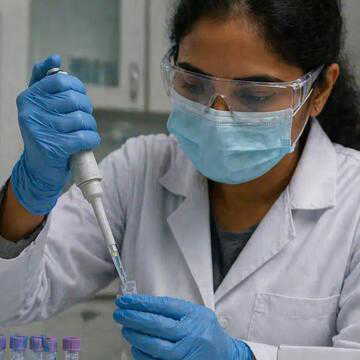
The health impact of extreme heat is also translating into higher medical expenses. Cases of dehydration, heat exhaustion and heatstroke tend to rise during peak summer months.
Dr Nitin Jagasia of Apollo Hospitals highlights the financial burden: treatment for severe heatstroke can cost between Rs 1 lakh and Rs 2 lakh per patient.
Dr Mohit Mathur of PB Health adds that many families struggle to cope with these expenses. "40 per cent of urban and 60 per cent of rural households resort to borrowing or selling assets to pay heatstroke bills." These costs are often compounded by lost income during recovery.
Also Read | Hidden danger in a common painkiller? CDSCO probes suspect batch
Extreme heat is also affecting agriculture, with global agencies such as Food and Agriculture Organization and World Meteorological Organization warning that it acts as a "risk multiplier". Crop productivity, especially in key river basins, may decline, raising concerns over food security and price stability.
Need for long-term response
Experts say the challenge requires more than short-term measures. "Most heatstroke cases can be prevented with early action and planning," notes Dr Paul, adding that stronger systems and preparedness can reduce both health and economic losses.
Suggestions include heat action plans, better cooling infrastructure, labour protections and improved access to healthcare. Preventive steps such as hydration, avoiding peak heat hours and early symptom recognition are also seen as key to reducing risk.
With temperatures expected to remain high, the impact of heatwaves is likely to be felt across both households and the broader economy.