India is moving closer to developing both vaccines and targeted treatments for dengue, with experts indicating that new interventions could be available within the next three to five years.
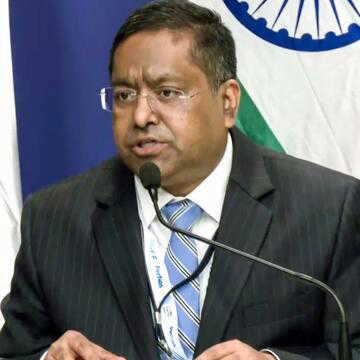
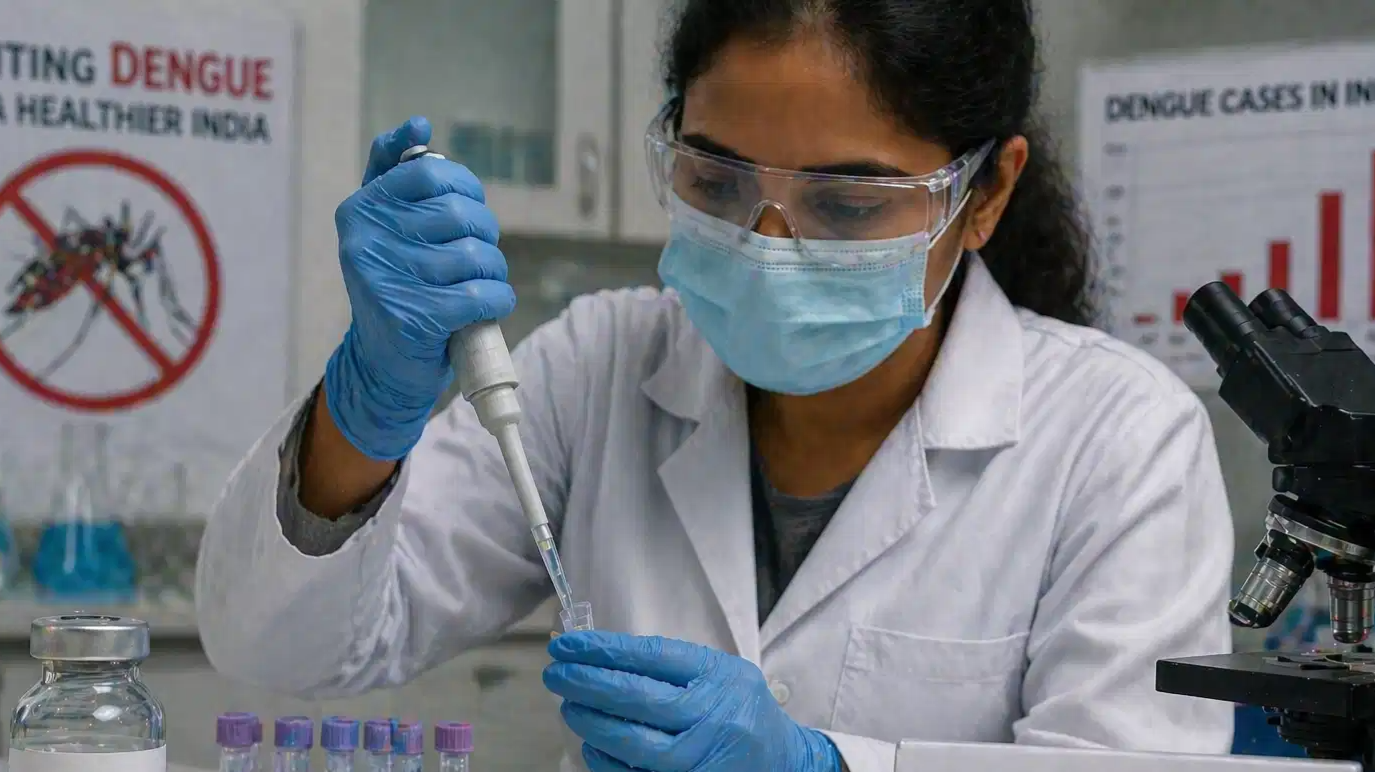
Speaking at a conference on dengue research and response, Dr Sanjay Sarin of the Drugs for Neglected Diseases initiative (DNDi) said efforts are underway to develop safe and affordable therapies for the disease, which currently lacks a specific treatment.
As stated by Dr Sarin, the studies are being conducted for both oral and injectable medicines which can be given during the early phase of infection and might save people from hospitalisation.
Also Read | Hidden danger in a common painkiller? CDSCO probes suspect batch
Vaccine pipeline picks up momentum
It may be mentioned that India has made significant progress concerning the development of vaccines for dengue fever. In this context, the subject expert committee of the Drug Controller General of India (DCGI) has approved a Japanese pharmaceutical company’s tetravalent dengue vaccine Qdenga for people aged between four to sixty years.
Additionally, it must be noted that an indigenous vaccine called DengiAll that is produced by collaboration between Panacea Biotec and the Indian Council of Medical Research is also undergoing phase III clinical trials, and the chances are that this vaccine will enter the market by 2027.
Treatment gap persists
Although there has been some development with respect to prevention and detection, yet a clear treatment gap persists. Some research projects are currently being carried out at the Translational Health Science and Technology Institute on developing drug therapies.
The early detection of the disease within a few days of infection can go a long way in reducing complications and even preventing hospitalisation.
Rising cases, growing urgency
India remains among the countries most affected by dengue, with over 289,000 reported cases in 2023. Health experts caution that actual numbers may be higher due to underreporting.
Climate change and environmental factors have contributed to the emergence of vector-borne diseases, and dengue management has become a public health concern, according to WHO South East Asia Region officials.
Also Read | What’s on agenda at Heads of Mission meet? Here's all you need to know
The challenge will be met with increased coordination in areas of research, public health, and regulations, according to policy makers such as representatives of NITI Aayog.
Vaccine development and research in treatment have picked up pace, and the fight against dengue in India has moved into a different phase.