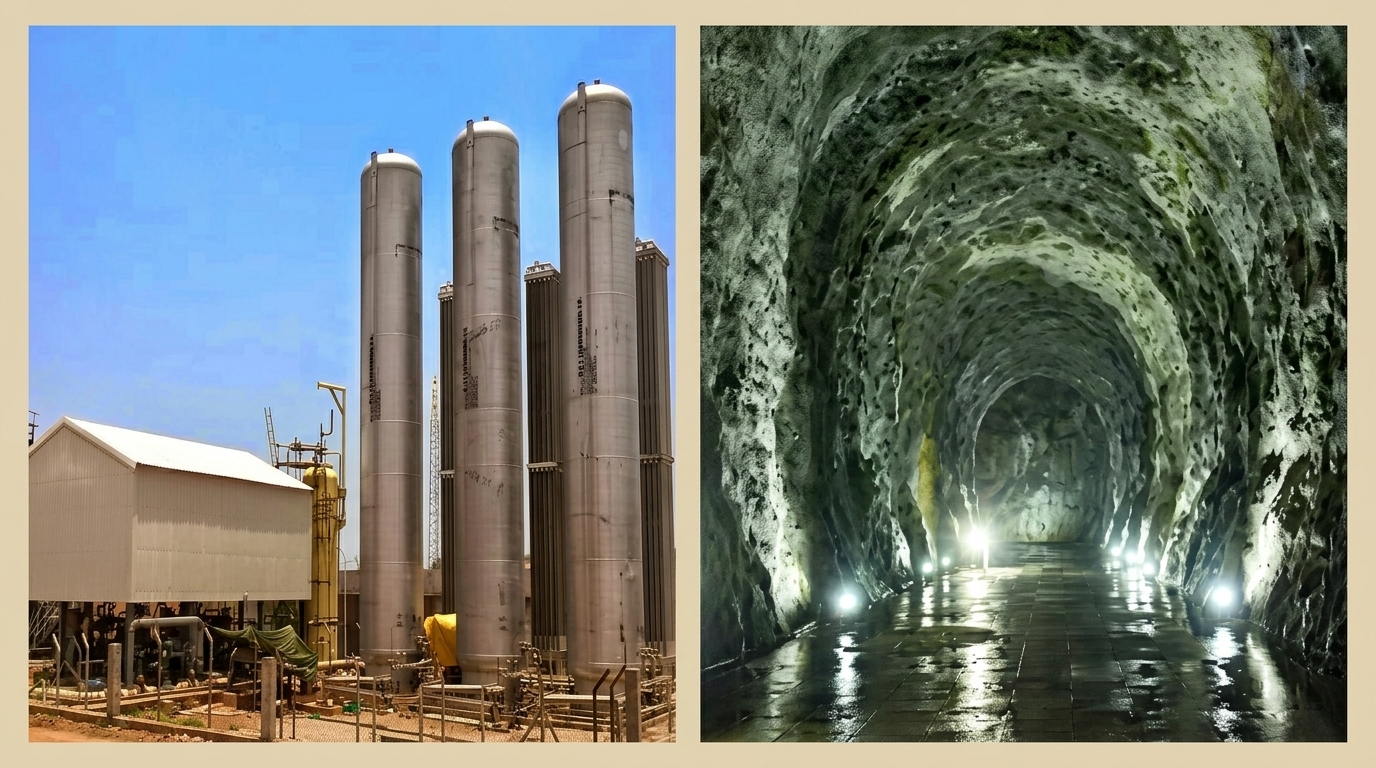
India’s Strategic Petroleum Reserves (ISPR) are large underground rock caverns built deep inside the earth to store crude oil safely. These caverns help protect the country’s energy security during emergencies or global oil shortages.
India depends heavily on imported oil, so it has started buying crude from many different countries instead of relying only on the Middle East. This helps reduce risks if supply from one region is disrupted due to political or economic problems.
Also Read | Old Manali or New Manali? Here’s what truly separates the two hill towns
Visakhapatnam strategic reserve
As per News 18 reports, the first commissioned facility stores about 1.33 million metric tonnes of crude oil. It is located on India’s east coast and has two large underground compartments. One part is used for the strategic petroleum reserve, while the other is used by HPCL for regular operations, helping maintain supply and readiness during emergencies.
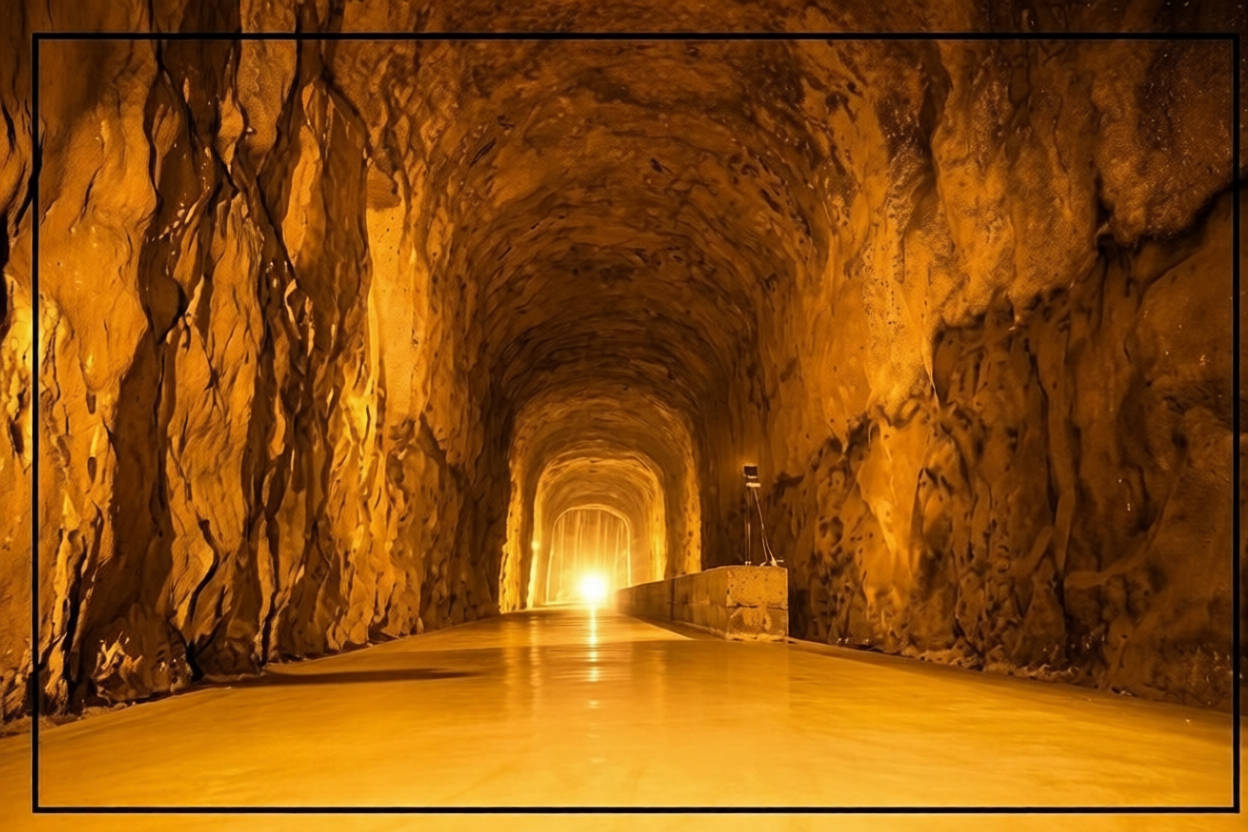 Visakhapatnam strategic reserve (ISPR offcial website)
Mangalore underground cavern
This facility is located on India’s west coast and has a storage capacity of 1.5 million metric tonnes of crude oil. It is also known for its international partnership with the Abu Dhabi National Oil Company (ADNOC), which stores its own oil in the same site under a commercial arrangement.
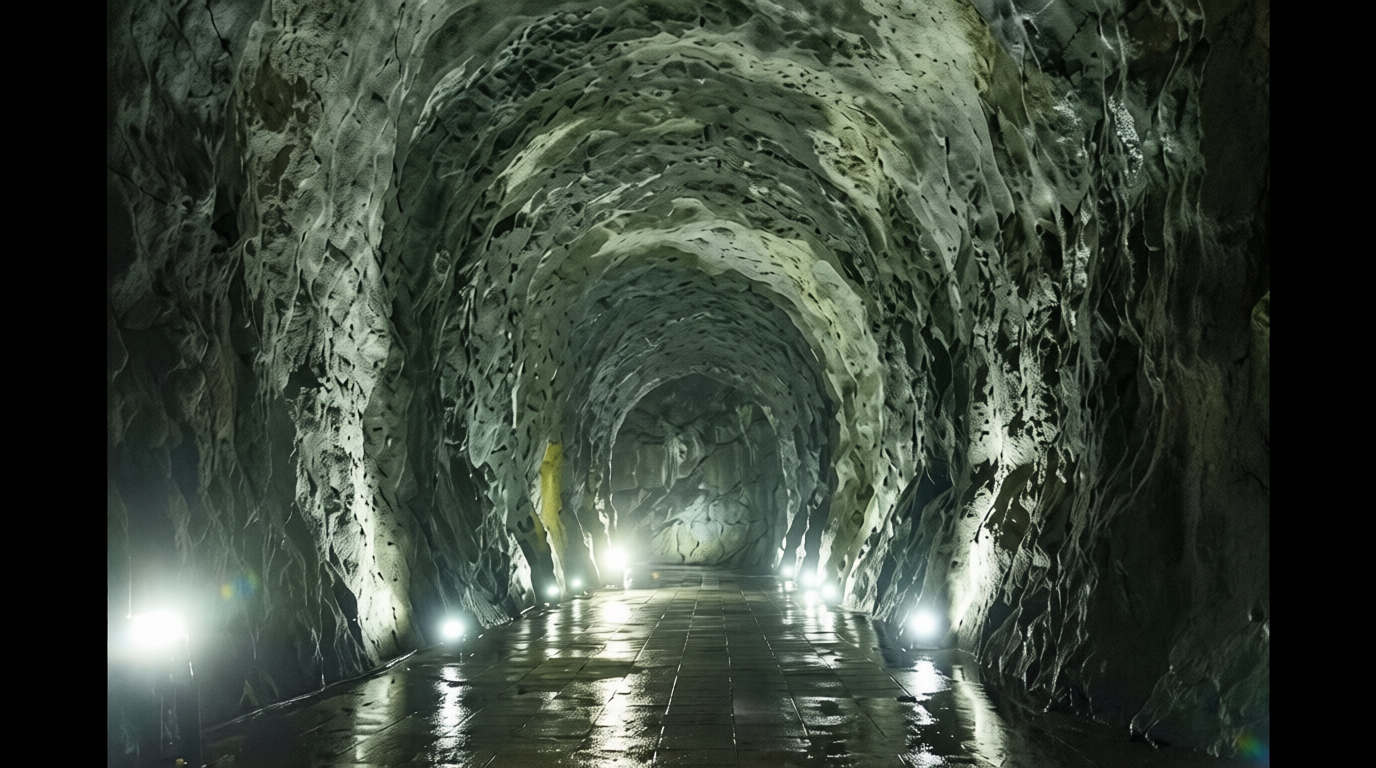 Mangalore underground cavern (ISPR offcial website)
Padur, the largest SPR facility
As per News18 reports, Padur is the largest commissioned site in Phase 1 of India’s Strategic Petroleum Reserves. It can store about 2.5 million metric tonnes of crude oil in four separate underground compartments. The facility is located deep inside granite rock formations in the Udupi district.
Its structure is kept stable by natural water pressure, which helps prevent oil from leaking through cracks or rock fissures, making it a very secure storage system.
Also Read | Darjeeling feels too crowded? Head to peaceful Peshok instead
Chandikhole's upcoming oil reserve
Chandikhole in Odisha is an upcoming Strategic Petroleum Reserve facility designed to store about 4 million metric tonnes of crude oil. Once completed, it will greatly increase India’s storage capacity on the eastern coast. This project is being developed under a Public-Private Partnership (PPP) model, where global companies may lease storage space. It is expected to strengthen India’s energy security and improve resilience during global oil supply disruptions.
India’s underground strategic petroleum reserves play a vital role in ensuring energy security during global disruptions. These facilities act as emergency buffers that help stabilise supply during crises.