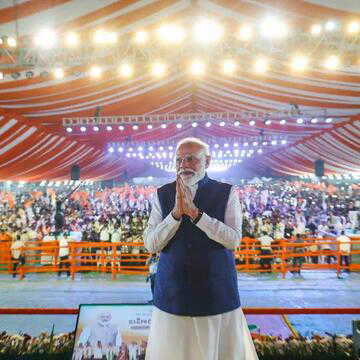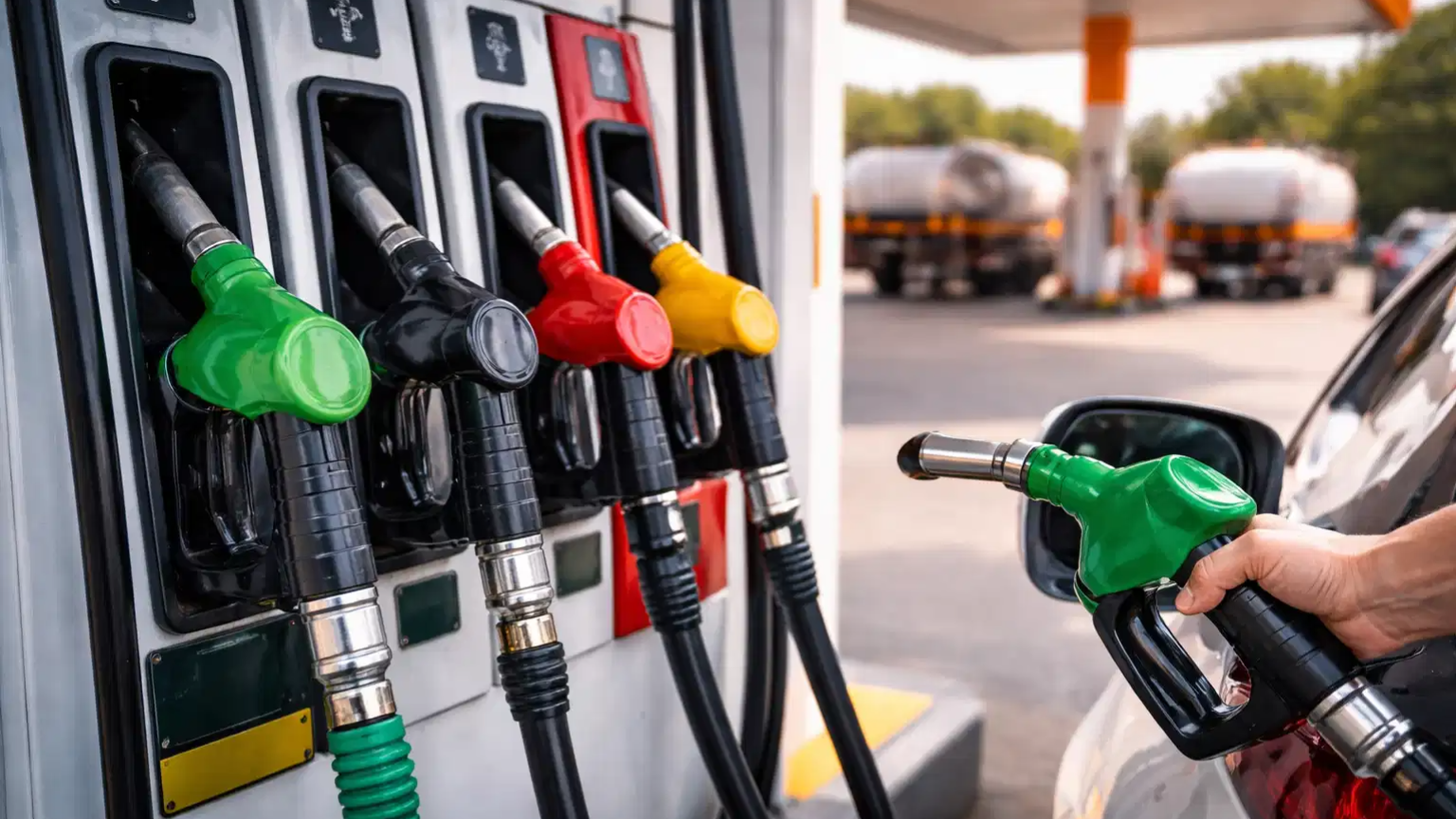
Prime Minister Narendra Modi has urged measures aimed at reducing fuel consumption, amid concerns over the impact of the West Asia conflict on fuel prices and India’s foreign exchange reserves.
Along with encouraging greater use of public transport, he also called for a renewed focus on work-from-home arrangements and virtual meetings.
Also Read | ₹1 lakh crore and counting: The hidden cost of protecting Indians from fuel inflation
Hybrid work may reduce fuel consumption in urban India
While there is no official estimate on how much fuel India could save through hybrid work, major office centres such as Bengaluru, Hyderabad and Delhi-NCR could potentially witness noticeable reductions in daily fuel consumption. The impact may become visible if a section of employees avoids peak-hour travel for a few days each week.
Experts believe work-from-home alone may not dramatically cut India’s fuel imports. However, even moderate reductions in daily commuting across urban centres could help ease congestion, lower fuel demand and reduce pressure on household expenses during periods of global uncertainty.
Bengaluru could see a major impact
With one of the country’s largest technology workforces, Bengaluru may witness some of the highest fuel savings if hybrid work gains momentum again. Office corridors such as Outer Ring Road, Whitefield and Electronic City regularly experience long traffic snarls and extended commute times during peak hours.
A reduction in office commuting, even on selected days, could potentially lower fuel consumption in these heavily congested stretches.
Hyderabad and Chennai face growing commute pressure
Hyderabad’s expanding IT and business hubs, especially HITEC City and the Financial District, have increased long-distance commuting from suburban areas. Flexible work schedules could help reduce a meaningful share of fuel use during peak traffic hours.
In Chennai, traffic along OMR and the IT corridor has continued to rise with the city’s tech growth. A partial return to remote work could ease congestion and reduce fuel consumption, particularly for employees travelling from outer residential areas.
Mumbai and NCR may also benefit
Mumbai presents a different situation due to its heavy reliance on suburban rail and Metro systems. Still, reduced car travel in business districts such as BKC, Lower Parel, Powai and Navi Mumbai could contribute to fuel savings.
The Delhi-Gurugram-Noida region could also potentially record sizeable fuel savings because of its large corporate workforce and long intercity commutes, which often involve heavy traffic and extensive private vehicle usage.
Also Read | Why are more working-age men dying suddenly? States across India report alarming trend
Kolkata may see smaller reductions
Compared to other metro cities, Kolkata may record relatively lower fuel savings because of its stronger dependence on public transport, including metro rail, buses and local trains. However, hybrid work could still help reduce congestion and private vehicle movement in commercial areas.