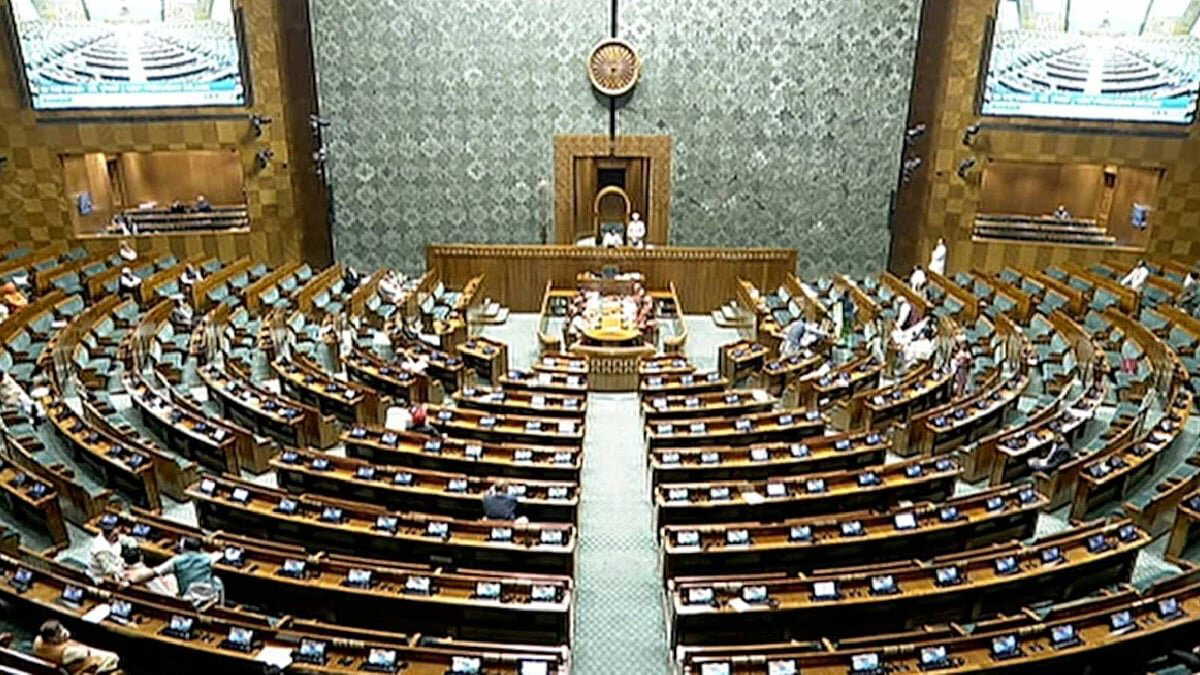
Coming back from the office, you just want a cup of hot tea. Settling comfortably on the sofa with the TV remote, channel surfing. If the office boss calls during that uninterrupted leisure time? Having to sit down to work again? Endless irritation. Perhaps you won't have to face such situations in the future. On Friday, the 'Right to Disconnect, 2025' bill was introduced in the Lok Sabha. After office hours or on holidays, employees will no longer be obligated to respond to work-related phone calls or emails.
Also Read | New labour codes: What India’s work-from-home employees need to know now
When any issue seems important for legislation, any member of the Lok Sabha or Rajya Sabha can introduce a bill in Parliament. There's no problem even if that MP is not in the government. However, in most cases, it's customary to withdraw such bills after debate in Parliament. On this day, NCP MP Supriya Sule introduced the 'Right to Disconnect, 2025' bill.
What's in this bill?
Not just in corporate culture, but in the modern work world, there's a prevalent concept called 'always on.' Meaning work can come at any time. One must be prepared for it. Many complain that in such a work culture, there's no such thing as leave anymore.
The proposed bill states that after office hours or on holidays, answering work-related phone calls or replying to emails is no longer mandatory. Employees cannot be pressured or punished for this. The proposal also includes forming a committee called 'Employee Welfare Authority' for workers.
Bill for women
Additionally, Congress MP Kadiyam Kavya introduced the 'Menstrual Benefits Bill, 2024' to protect women's health. This bill mentions providing special facilities for working women during their periods, an appropriate work environment, and sanitation arrangements. Alongside this, LJP MP Shambhavi Choudhury has brought a bill proposing paid menstrual leave during periods.
Also Read | India’s workers get a health boost under new labour codes: Here’s what you should know
Entrance exams and journalists' safety
There has been ongoing controversy about the medical entrance exam NEET for the past few years. Congress MP Manickam Tagore introduced a bill proposing to make this exam optional instead of mandatory. Alongside this, DMK MP Kanimozhi Karunanidhi has presented a bill proposing the abolition of the death penalty in the country. This has also gained new dimensions of debate in recent years.
MP Vishaldada Prakashbapu Patil has introduced the 'Journalist Bill, 2024' to ensure journalists' safety. This bill includes provisions for attacks on journalists and protection of their property.