Hiding our imperfections behind a mask and an outward appearance attracts sadness into our lives; the true beauty of being honest with oneself comes from accepting those flaws and showing them to the world.
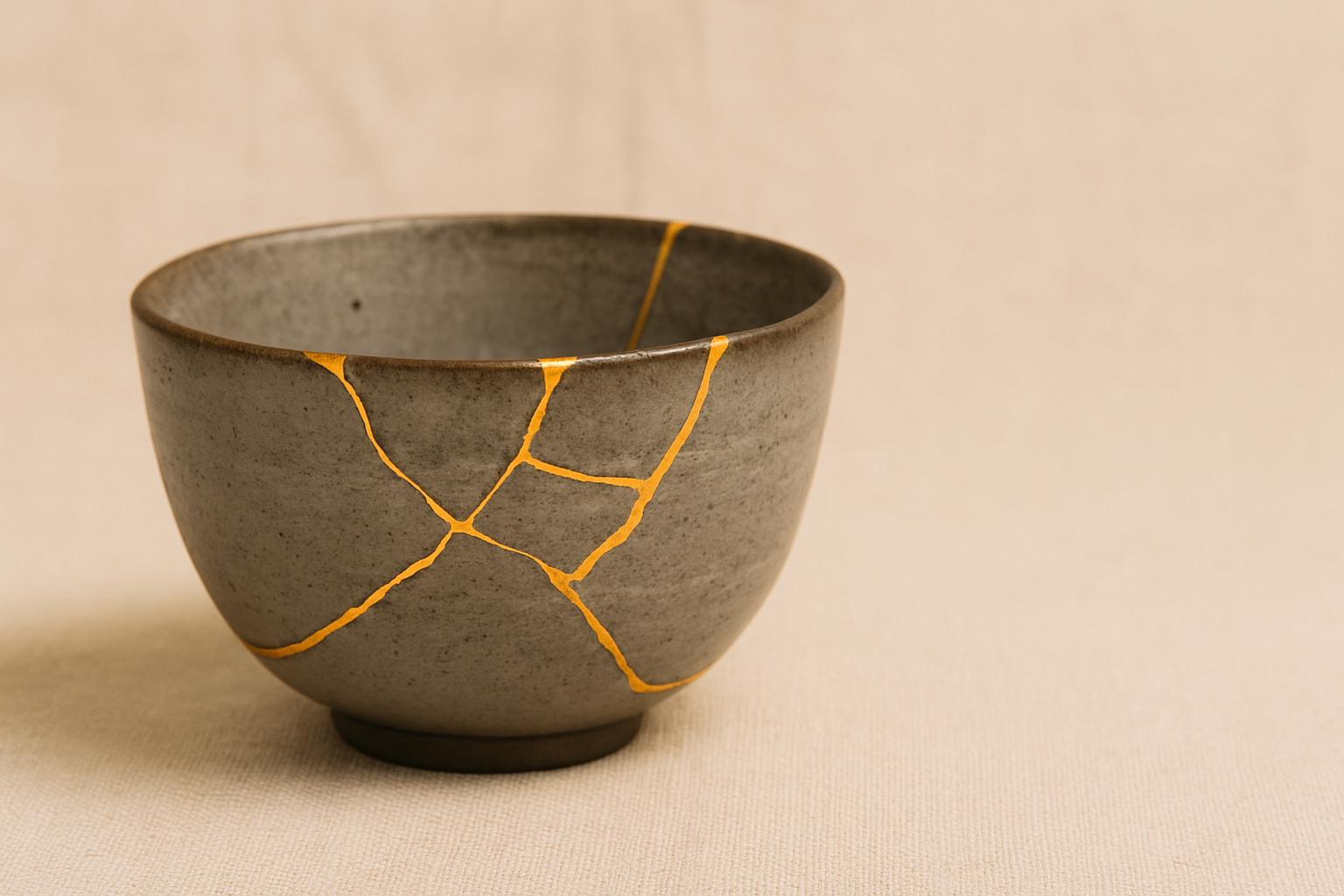
The ancient art of Kintsugi, from Japan, exemplifies this sentiment. In a world that often prizes perfection, excellence and flawlessness, this theory celebrates imperfection and teaches us to behold the real beauty that lies in breaking and mending.
Also Read | Can love be timed? Inside the ‘Sunset Clause’ dating trend gaining ground in India
How was 'Kintsugi' born?
'Kin' means gold and 'tsugi' means join and putting together the two words means "joining with gold".
In essence, Kintsugi is taking an object that has been broken and creating a new piece of art that is better than before it broke. Wabi-Sabi is a concept associated with Kintsugi. Both concepts share the philosophy that beauty is found in imperfection and that people should notice and appreciate the beauty of objects that might otherwise be considered useless or cast aside because they are broken or damaged.
While its exact origins remain unknown, the art form is widely though to have originated in Japan in the 15th Century during the rein of Japanese shogun Ashikaga Yoshimasa. According to one popular account, this occurred after Ashikaga Yoshimasa sent a damaged tea bowl to China for repairs only to have it returned with the visible signs of the mending through unsightly metallic staples.
Ashikaga afterwards asked the local craftsmen in Japan to repair the damage in a more aesthetically pleasing manner and thus created the art of Kintsugi.
The process
It takes about three months for the gilding of all the restored parts, which are glued together with the sap of a native Japanese tree. After being glued, the pieces are allowed to dry for several weeks, after which they will have a layer of gold covering up any cracks.
Also Read | Struggling with focus at work or studies? These expert-backed tips may help
The lessons this art teaches
Kintsugi is a philosophy that embraces the imperfection of our humanity and the impermanence of our lives as being worthy of celebration rather than scorn. It provides an outlook on how to live our lives. It teaches us that we are able to take our suffering and create something beautiful from it as well as create something resilient from it.
The theory allows us the ability to heal from our scars, acknowledge our own imperfections and become stronger with time. It shows us that we can find purpose and meaning within our own struggles. Kintsugi teaches us that, even in our most difficult times, there is a way to reframe our perspectives and continue forward.