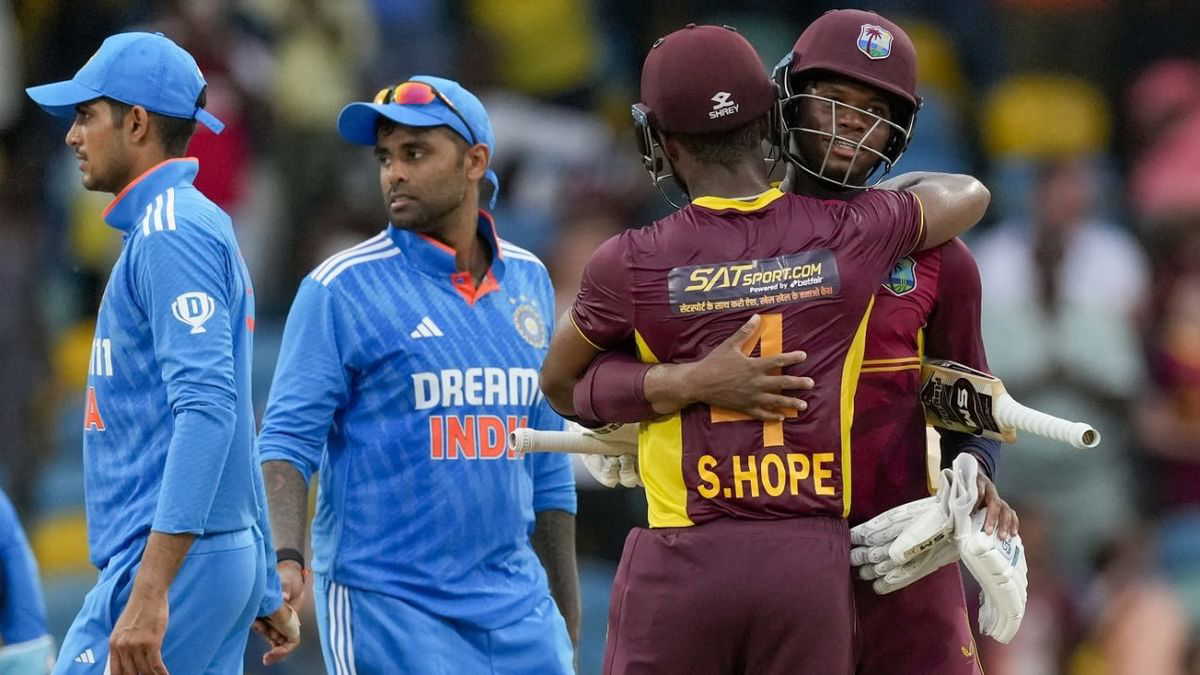
The rivalry between the India national cricket team and the West Indies cricket team is one of international cricket’s longest-running contests. From the Caribbean dominance of the 1970s and 1980s to India’s rise as a modern powerhouse, the head-to-head record across formats reflects changing eras, shifting momentum, and evolving team strengths.
Test and ODI battle: From Caribbean supremacy to Indian consistency
In Test cricket, West Indies established early authority with their fearsome fast-bowling units and dominant home performances. Across more than 100 Tests between the two sides, the Caribbean team historically maintained an advantage, particularly during their golden era. However, India’s formidable home record and improved overseas performances in recent decades have narrowed that gap considerably. A high number of drawn matches also underlines how competitive the format has been.
In One Day Internationals, the contest is far more balanced numerically. India holds a slight edge in total wins, largely due to consistent performances since the 1990s. Bilateral ODI series between the two sides have frequently produced high-scoring games and dramatic finishes. India’s depth in batting and stronger tournament record in the modern era have contributed to their marginal overall lead.
T20 format: India’s modern dominance
The shortest format presents a clearer trend. In T20 Internationals, India has enjoyed a superior win percentage against West Indies. Since the advent of T20 cricket, India’s adaptable batting line-up and structured bowling plans have given them the upper hand in bilateral series as well as global events.
Overall, while West Indies dominated the early decades, the broader head-to-head narrative now reflects India’s ascendancy, especially in limited-overs cricket.