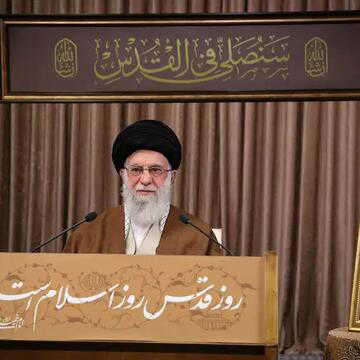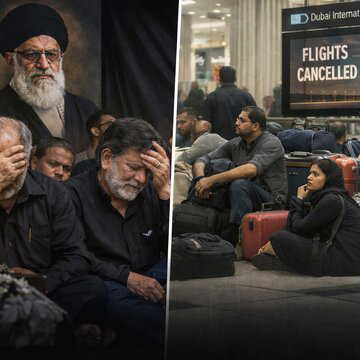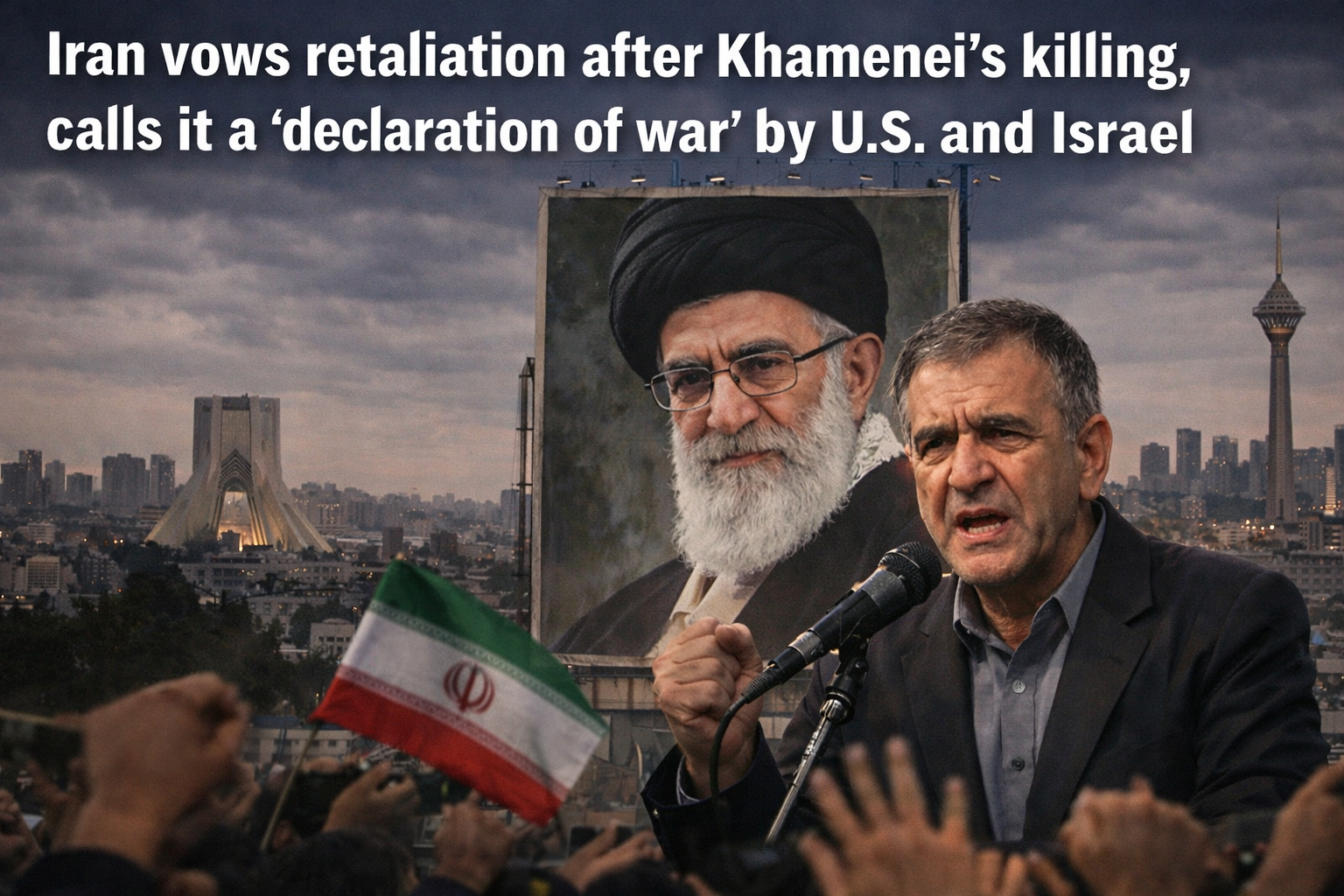
Iran’s leadership has signalled a sharp escalation in rhetoric following the reported killing of Supreme Leader Ayatollah Ali Khamenei, with President Masoud Pezeshkian describing retaliation as a “legitimate duty” of the Islamic Republic. The statement, delivered amid heightened regional tensions, underscores the gravity of the moment for Tehran as it confronts both an external confrontation and an internal transition of authority.
Pezeshkian vows response, calls killing an act of war
"The assassination of the highest political authority of the Islamic Republic of Iran and a prominent leader of Shiism worldwide... is perceived as an open declaration of war against Muslims, and particularly against Shiites, everywhere in the world," Pezeshkian said in the statement as quoted by Hindustan Times.
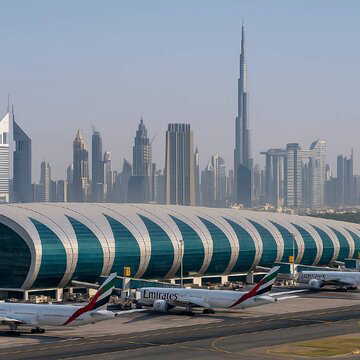
Also Read । 'Situation becoming more frightening by the hour': PV Sindhu shares terrifying update from Dubai
While Tehran has not officially detailed the operational specifics, Iranian officials have pointed to alleged involvement by Israel and the United States. The language used by Pezeshkian suggests Iran is positioning the episode as more than a targeted strike — instead portraying it as an act of aggression that justifies retaliation under international and domestic principles of self-defence.
The president’s remarks come amid reports of heightened military alertness and signal that Iran may consider calibrated responses across multiple fronts.
Leadership transition and rising regional uncertainty
Beyond the immediate security implications, Khamenei’s death raises critical constitutional questions inside Iran. Under Iranian law, the process of selecting a
The new Supreme Leader fall to the Assembly of Experts, a powerful clerical institution tasked with appointing and supervising the country’s highest authority.
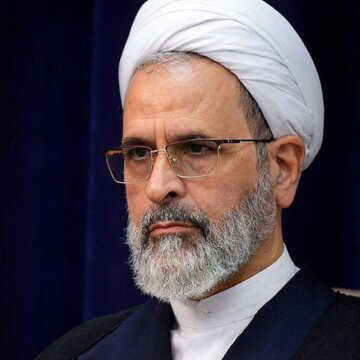
Also Read । With Khamenei killed in a US strike, who are the likely successors to lead Iran next?
In the interim, senior state officials are expected to coordinate governance functions to ensure continuity. However, the political vacuum created by the loss of Iran’s longest-serving leader introduces uncertainty at a volatile geopolitical juncture.
Regionally, tensions remain elevated as rival powers brace for potential retaliatory measures. Diplomatic channels appear strained, and security analysts warn that miscalculation on either side could trigger a broader confrontation with consequences extending well beyond Iran’s borders