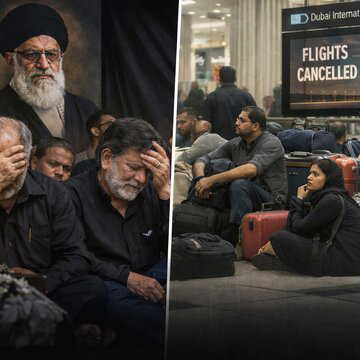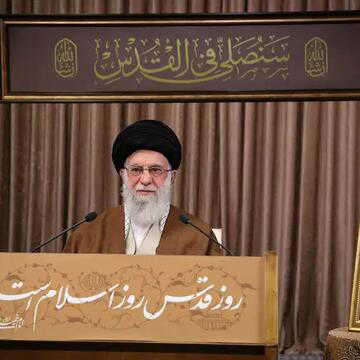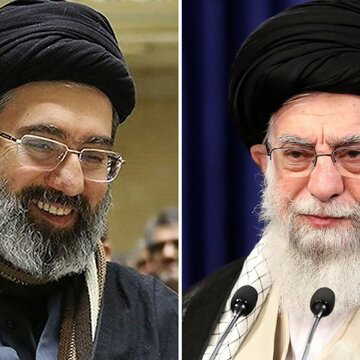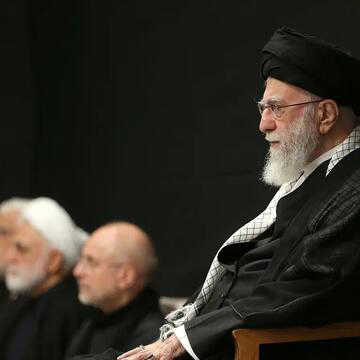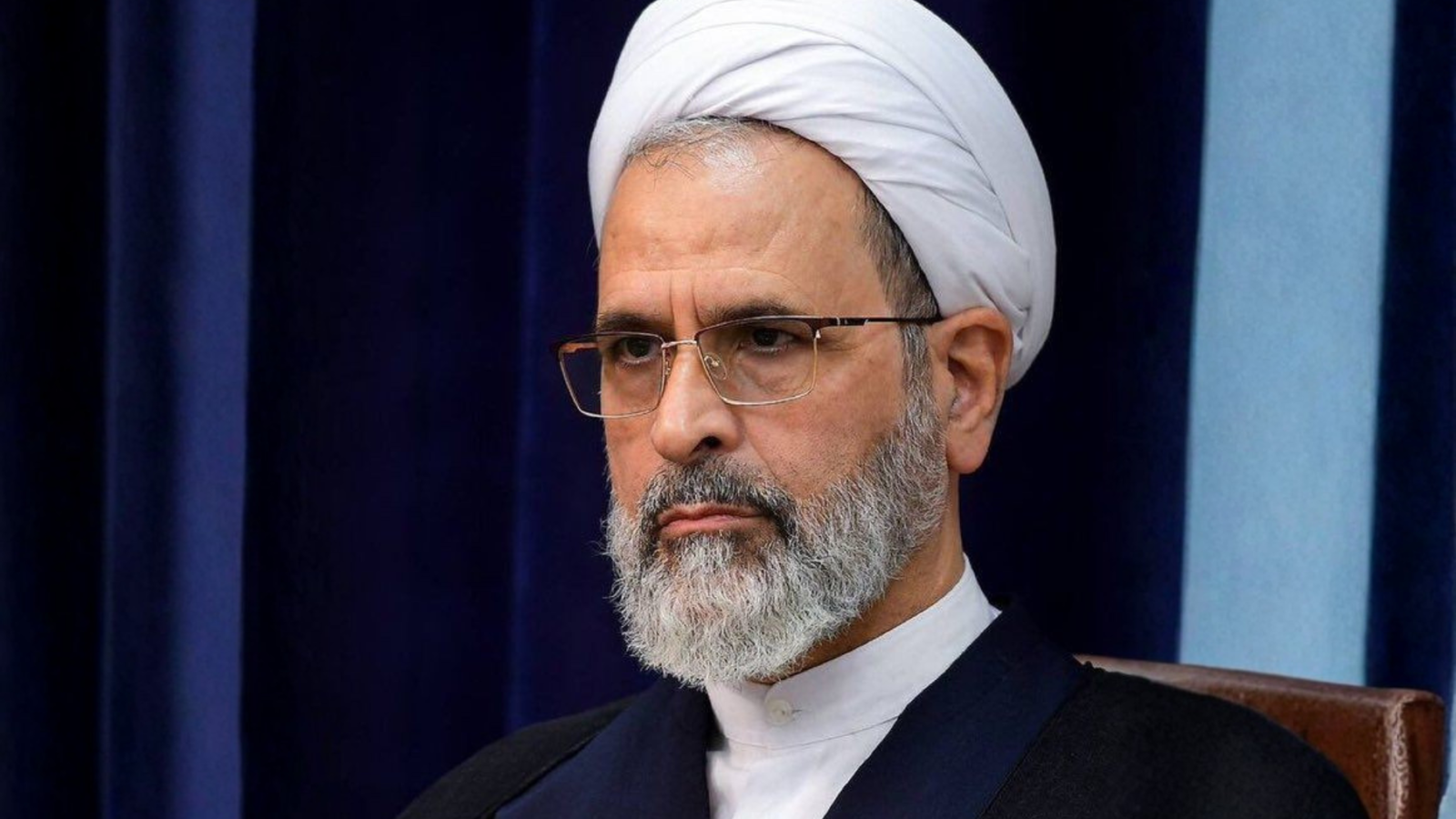
Iran has named Ayatollah Alireza Arafi as its interim Supreme Leader following the death of Ayatollah Ali Khamenei in joint US and Israeli airstrikes on Tehran. His appointment places a long-serving cleric and administrator at the centre of a critical transition for the Islamic Republic.
Who is Ayatollah Alireza Arafi?
Born in 1959 in Meybod in Yazd province, Arafi comes from a religious family and was educated in Qom, the country’s most important seminary hub. He studied under senior scholars and attained the rank of mujtahid, allowing him to issue independent Islamic legal opinions.
Over the years, he held a series of influential posts. He served as Friday prayer leader in Meybod and later in Qom, a role that reflects confidence from the top religious leadership. He also headed Al-Mustafa International University, an institution that trains clerics from Iran and abroad. In 2019, he was appointed to the Guardian Council, the powerful body that reviews legislation and vets election candidates.
Constitutional process and interim role
Under Iran’s constitution, the Supreme Leader is selected by the Assembly of Experts, an elected body of clerics. After Khamenei’s death, an interim arrangement was required to oversee key functions until a permanent successor is chosen. Arafi’s positions within the Guardian Council and the Assembly of Experts gave him institutional standing during this transition.
Public views and leadership challenge
Arafi has spoken about the need for seminaries to remain connected to society and to promote a politically engaged, international outlook for Shi’a Islam. "Seminaries (in Iran) need to be from the people, in solidarity with the downtrodden, be political [Islamist], revolutionary, and international (in approach).”
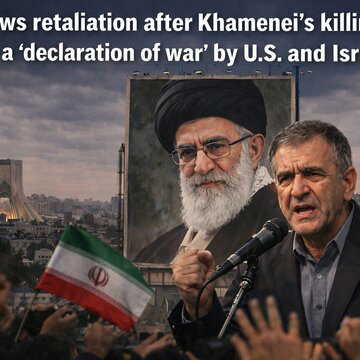
Also Read | Iran vows retaliation after Khamenei’s killing, calls it a ‘declaration of war’ by U.S. and Israel
As per a report by The Times of India, while he holds strong establishment credentials, observers note that his influence largely stems from institutional roles rather than an independent political base.
On Iranian state television, an anchor broke in to read the announcement of Khamenei’s death. "To the noble and proud people of Iran: With the ultimate grief and sorrow this is to inform you that following the barbaric attack by the criminal governments of America and the evil Zionist regime, the true example of faith, jihad and resistance, the Supreme Leader of the Revolution Grand Ayatollah Khamenei achieved the blessing of martyrdom," the anchor said, reported AP. The country will enter 40 days of mourning.