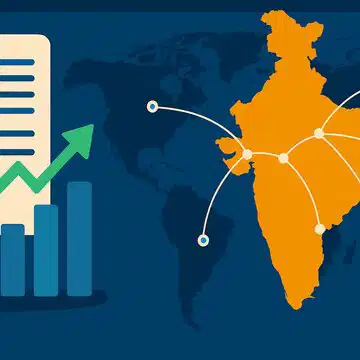
A massive allocation request of ₹2.75 lakh crore has already been submitted to the Central Finance Ministry for the 2026-27 budget for the comprehensive improvement of railway infrastructure across the country. In the last budget, Finance Minister Nirmala Sitharaman allocated ₹2.52 lakh crore for the railway sector. Never before has such a large amount been allocated to railways. But this time, the railway's request is even higher. Will Indian Railways' aspirations ultimately be fulfilled? The complete picture will become clear by this afternoon.
In which sectors have railway authorities planned expenditure? What subjects are on their 'top five' list according to their calculations? Have they included something that the Finance Minister cannot avoid in any way? Several such plans have been learned from railway sources. Among these is the complete electrification of the country's entire railway network by 2027.
Safety, electrification and Kavach on priority list
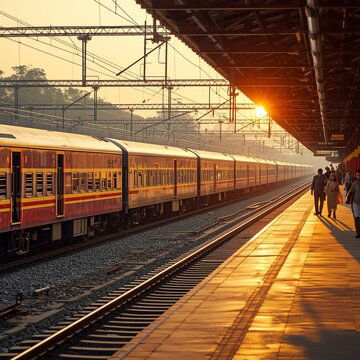
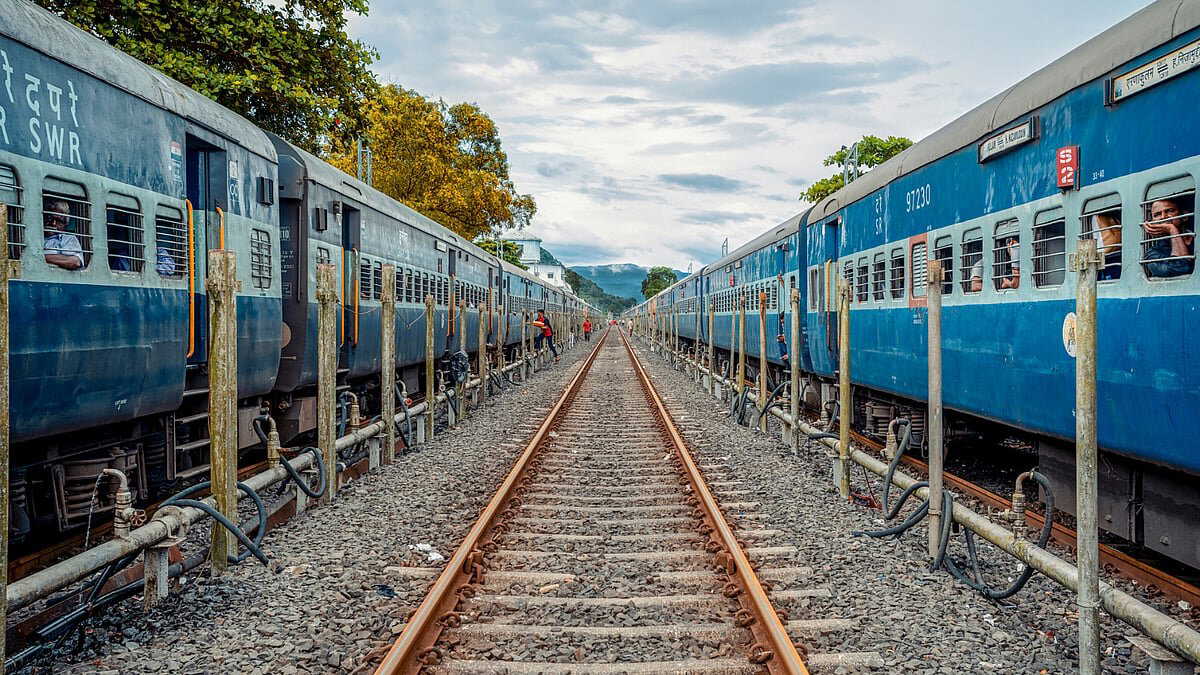
Indian Railways has stated that the total length of railway tracks in the country is currently around 69,000 kilometres. Only the USA, China, and Russia have longer railway networks in the world. Electrification work has been completed on 99 per cent of India's vast railway network. Indian Railways wants to complete the remaining portion by 2027.
The organisation's list also includes the crucial issue of railway safety. Whether due to signal system problems or operational defects, trains running consecutively on the same line and resulting in horrific accidents are not new in this country. Particularly, the wound from the collision between Coromandel Express and a freight train at Bahanaga Bazar station in Odisha, which killed 300 passengers, is still fresh. In this situation, the completely indigenous 'Kavach' protection system could be helpful. But implementing this system is not cheap — at least ₹50 lakh per kilometre and ₹70 to 80 lakh per train. Therefore, focusing on protection would necessarily require increasing the allocated funds.
Freight corridors and high-speed cargo plans
Additionally, there is the matter of 'Dedicated Freight Corridor' (DFC). Creating separate railway tracks for goods transportation would simultaneously facilitate the movement of both freight and passenger trains. For this reason, DFC has been on the 'top priority' list of the railway budget for many years. This year is unlikely to be an exception. It is heard that alongside this, railways have also planned Vande Bharat-inspired high-speed freight trains. Such trains will be able to travel at speeds of up to 160 kilometres per hour. Such trains will be a blessing for perishable goods and high-value textile traders.
Additionally, Nirmala Sitharaman has indicated launching more than 50 new passenger and freight trains. This is a multimodal connectivity system under the ₹20 lakh crore 'National Rail Plan'. When this system becomes operational, it is expected to save up to ₹10,000 crore in costs for goods transportation in maritime trade.