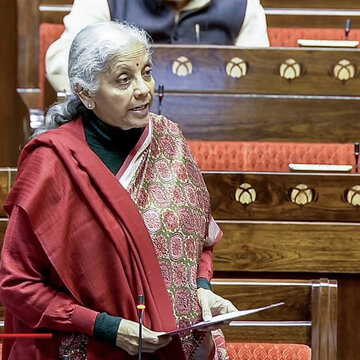
Through the years following India's independence, the Union Budgets have painted different pictures every time. From Finance Minister Dr. Manmohan Singh opening up Indian markets, to P. Chidambaram's 'Dream Budget', and Nirmala Sitharaman's tax reliefs for the salaried in last year's presentation - every budget has its own story to tell.
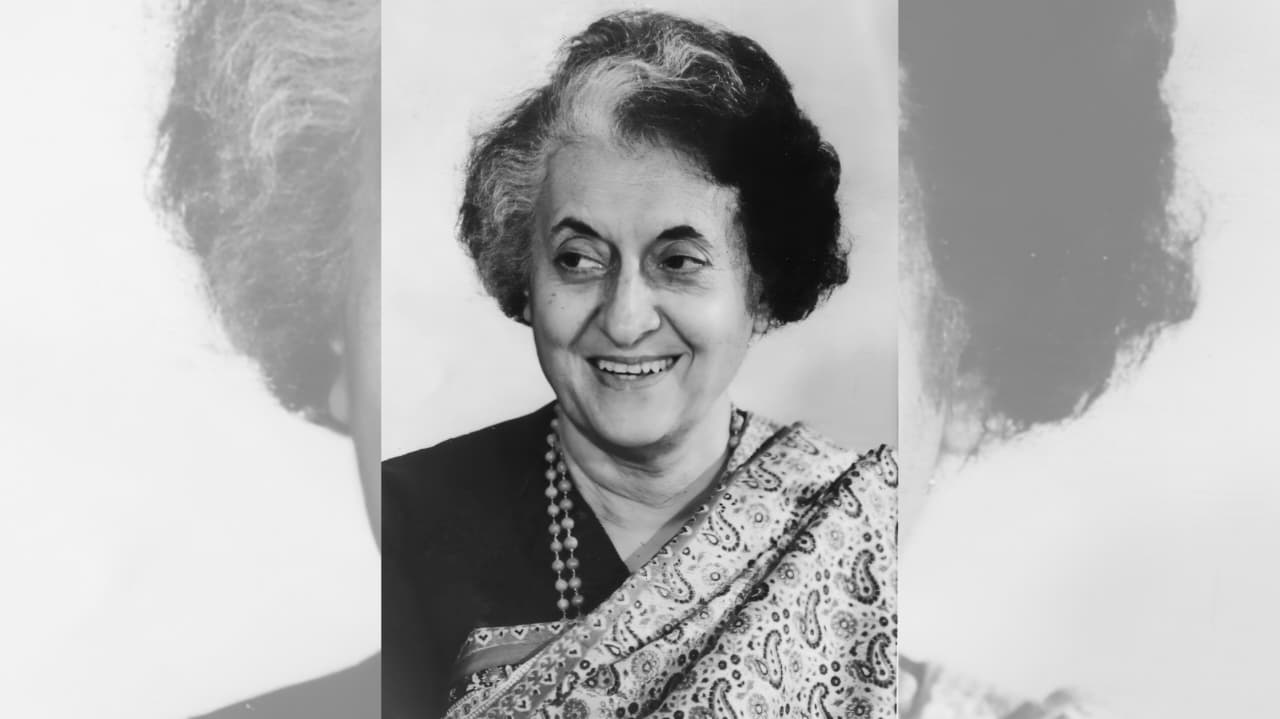
But why was the Union Budget of 1973-74, under Prime Minister Indira Gandhi, termed the "Black Budget"? Here's what you need to know.
Why was it called the 'Black Budget'?
The then Finance Minister in Indira Gandhi's cabinet, Yashwantrao B Chavan, had presented this budget. It later earned an infamous nickname because of a huge fiscal deficit of Rs. 550 crore. This was an unprecedented figure and highlighted the economic stress the country was facing.
A fiscal deficit is the gap between what the government earns and what it spends. It reflects the overall health of the economy. A large deficit signals tough times for the government.
Chavan's budget went on to earn the nickname - "Black Budget".
Also Read | AC locals, new lines and bullet trains: How Budget 2026 plans to transform Mumbai rail travel
Factors contributing to the nickname: War, drought, and nationalisation
The 1971 India-Pakistan war had badly strained India's finances. After the war, the burden grew heavier with the challenge of rehabilitating more than 10 million refugees, which put immense pressure on the coffers.
Defence spending increased to a massive Rs. 1,600 crore. Then came another blow. In 1972, India faced its worst drought in decades. Agriculture was hit hard, rural areas struggled with food shortages, and villages were pushed into distress. Cities were not spared either. Urban India saw power cuts and rising unemployment.
Speaking in Parliament, Finance Minister Yashwantrao B Chavan summed up the moment. He said, "This is not a time for hesitation but for bold action to secure our future."
Also Read | Budget 2026 rewires GCC tax rules, puts eastern India on global tech map
The 1973 Budget also brought major policy shifts. The Indira Gandhi government set up a Rs. 56 crore fund to nationalise coal mines, insurance firms, and the Indian Copper Corporation. Along with this, the government set aside Rs. 220 crore for drought relief to support millions affected by crop failures. Another Rs. 160 crore was spent on importing 2 million tonnes of food grains to fight severe food shortages.
In India's economic history, the 1973 Budget stands out as a crucial moment. The country had slipped into an unprecedented financial crisis even before the Budget was presented. Heavy war spending, a widening fiscal deficit, and rising government expenses pushed the economy into distress. This is why the 1973-74 Budget came to be remembered as the "Black Budget."