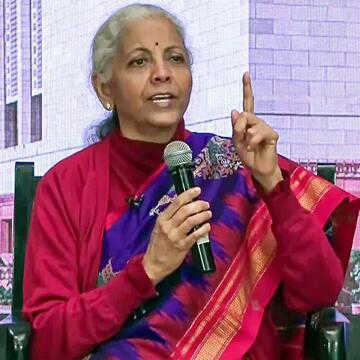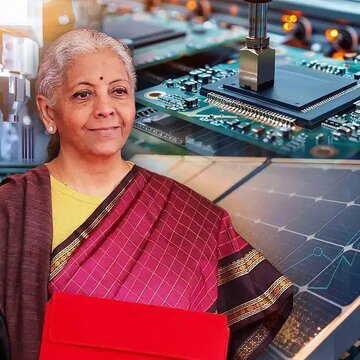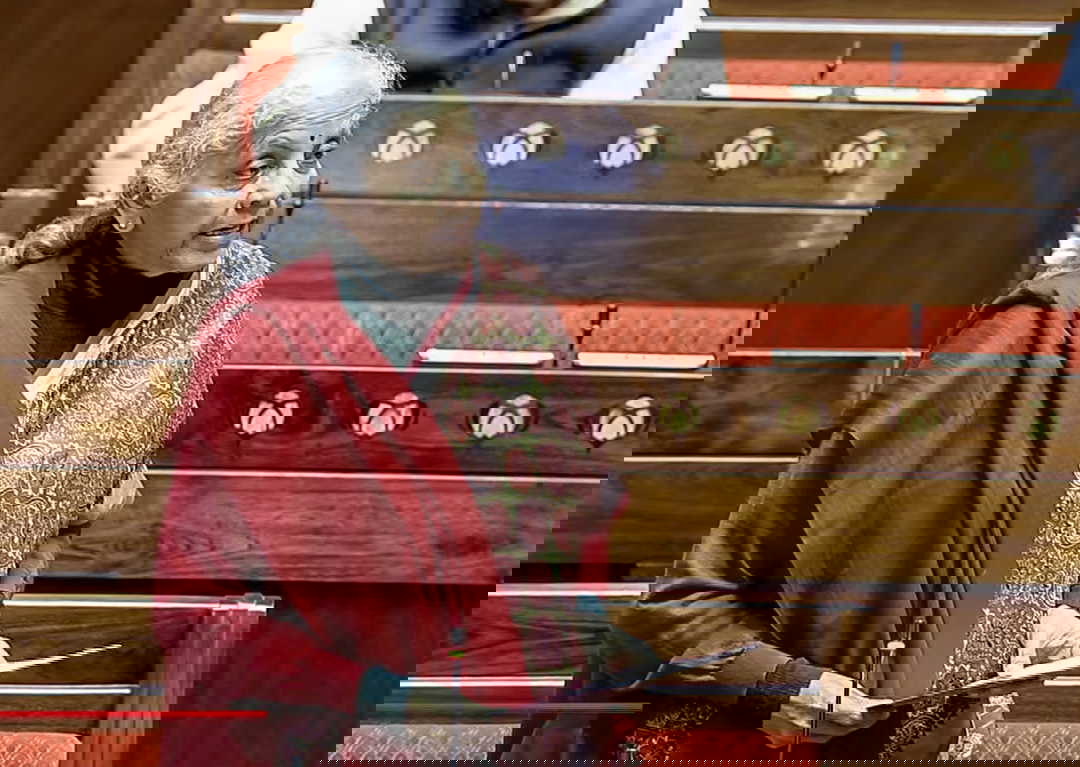
Union Finance Minister Nirmala Sitharaman on Sunday, February 1, announced strong support for India’s creative industries, also known as the “Orange Economy”, to create future-ready jobs for young Indians.
While presenting the Union Budget 2026–27, Sitharaman said that sectors like Animation, Visual Effects, Gaming and Comics (AVGC) are growing rapidly and could need around two million skilled professionals by 2030.
To prepare for this demand, she proposed government support for setting up AVGC Content Creator Labs in 15,000 secondary schools and 500 colleges across the country through the Indian Institute of Creative Technologies, Mumbai.
ALSO READ | Ninth Budget but zero answers? Nirmala Sitharaman's 'out of syllabus' reply sparks backlash
The idea is to expose students to creative and digital skills early, helping them build careers in content creation, design, gaming and related fields. The move is also expected to encourage startups and strengthen India’s presence in global creative industries.
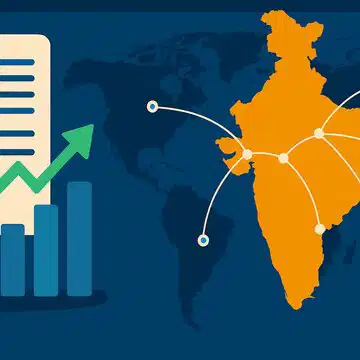
The Economic Survey 2025–26 had also highlighted the growing importance of creativity-led sectors such as culture, media, entertainment and intellectual property. According to the Survey, these industries can become major sources of jobs, boost urban services, and support tourism.
ALSO READ | Budget marks a decisive shift towards future-ready education
What is the Orange Economy?
This broader creative ecosystem is often called the Orange Economy. It includes industries where the main value comes from ideas, creativity and cultural expression rather than physical products. These sectors combine art, technology and innovation to create economic and social value.
Sitharaman also announced plans to set up a new National Institute of Design in eastern India. She noted that although India’s design industry is expanding quickly, there is still a shortage of trained designers.