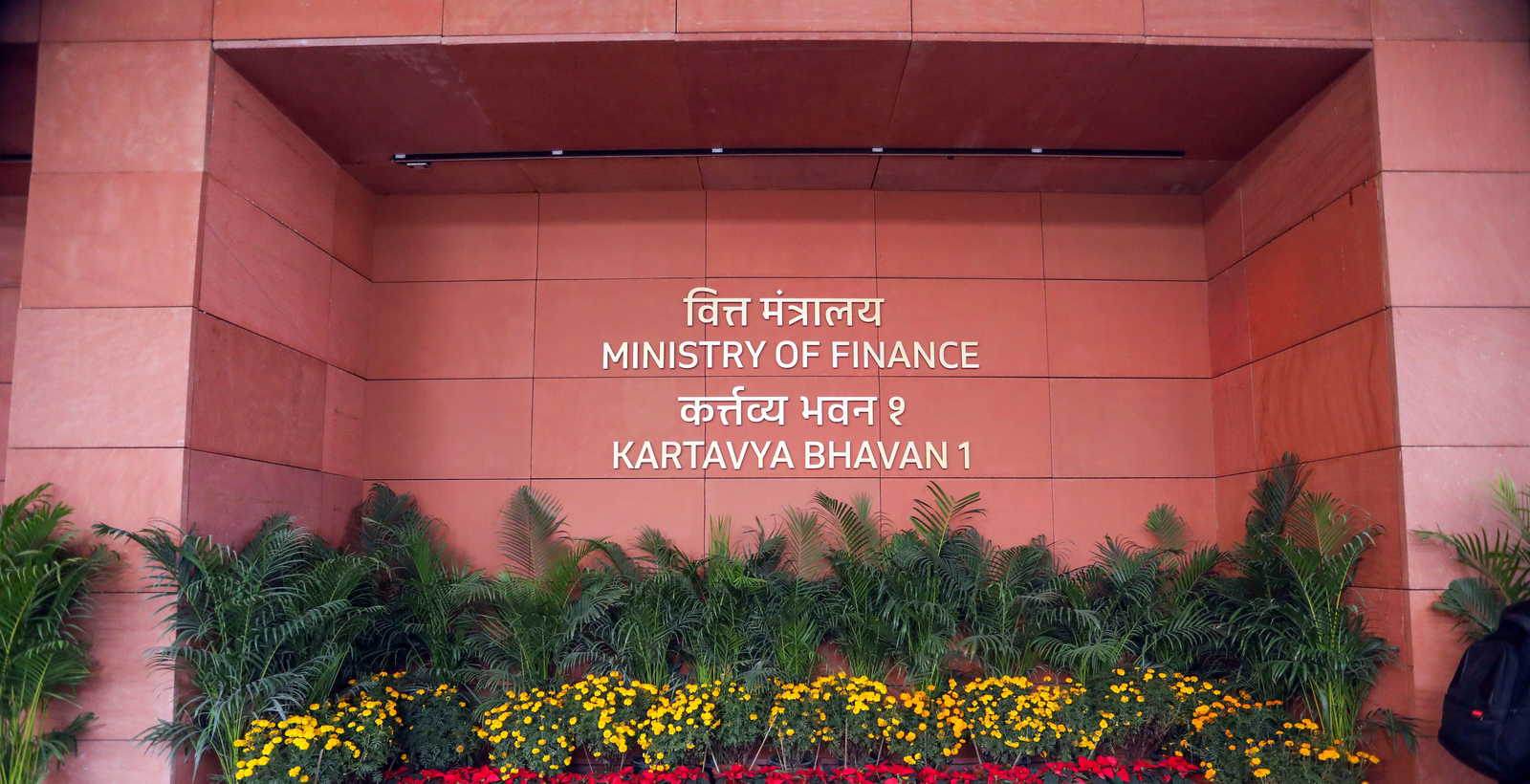
The Union Budget for the year 2026-27 will be placed in the Parliament on Sunday, the 1st of February 2026, at 11 am. While the nation waits with bated breath for the annual budget, a brief glance at some of the most iconic Union Budgets in India’s history provides insight into how the nation’s economic journey has been shaped through the years.
The Black Budget (1973–74)
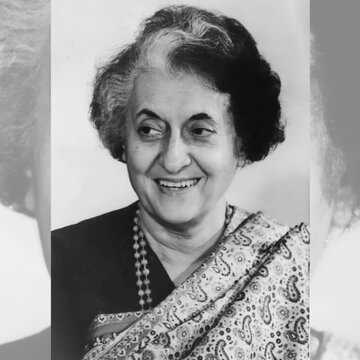
One of the most discussed budgets in Indian history is the 1973-74 Union Budget, which was introduced by Yashwantrao B. Chavan during the tenure of Indira Gandhi as the Prime Minister of India. This budget was famously known as the “Black Budget” because of its record-breaking fiscal deficit of Rs 550 crore.
This was a remarkably high figure at that time. This budget was known for its tough stand on spending when the nation was witnessing a rise in the prices of oil and food. This budget also proposed the nationalisation of coal mines to ensure that the nation’s industries had adequate energy supplies. However, this proposal did not see the light of day as it was originally planned.
ALSO READ | Budget 2026: Can tax tweaks bring relief from high gold, silver prices?
The Carrot And Stick Budget (1986)
This Budget, presented by V. P. Singh in 1986, is remembered as the “Carrot and Stick Budget” for its dual approach. While it provided tax incentives, it also took a tough stand against tax evaders and black marketers. One of its most notable aspects was the proposal for MODVAT (Modified Value Added Tax), which aimed to reduce the cascading effect of indirect taxes. This Budget was one of the first steps towards tax rationalisation.
The Epochal Budget (1991)
The Union Budget of 1991, introduced during a serious balance-of-payment crisis, was celebrated as the “Epochal Budget.” By reducing customs duties and liberalising the economy, it marked the beginning of economic liberalisation in the country.
The Dream Budget (1997)
P. Chidambaram’s Budget of 1997 is remembered as the “Dream Budget” for its radical tax reforms. It significantly reduced personal and corporate tax rates, as well as customs and excise duties.
ALSO READ | Can you sell shares bought on Budget Day? Here’s what the settlement rules say
The Millennium Budget (2000)
The Millennium Budget, presented by Yashwant Sinha, was technology and the IT sector-friendly. The reduction in customs duties on computers and their accessories indicated a vision for the future at the start of the new millennium.
The Rollback Budget (2002)
The “Rollback Budget” of 2002-03 was also presented by Sinha. It earned the name “Rollback Budget” as some proposals were rolled back due to political pressure.