European Commission President Ursula von der Leyen stated on Tuesday, during the World Economic Forum in Davos, that India and the European Union are nearing an agreement for a "historic trade agreement" to form a market consisting of two billion people and making up nearly 25 per cent of the total global GDP.
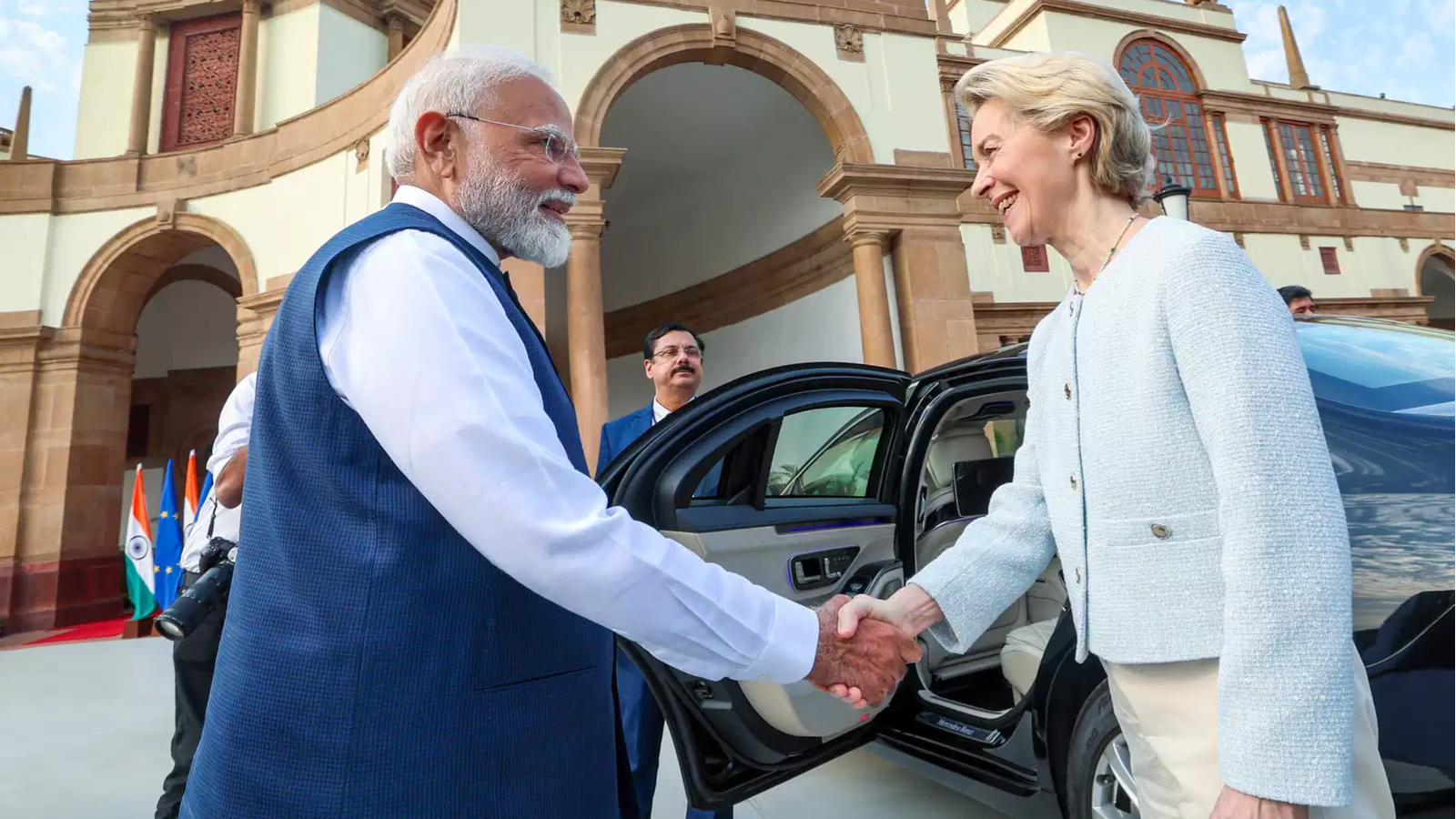
The President of the European Council, Antonio Costa and President von der Leyen, are scheduled to visit India from January 25-27 as chief guests for Republic Day celebrations and for a summit meeting with Prime Minister Narendra Modi.
'Mother of all deals'
"I will travel to India. There is still work to do. But we are on the cusp of a historic trade agreement. Some call it the mother of all deals," she said.
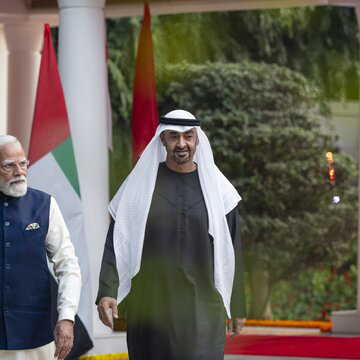
Also Read | UAE President MBZ’s short Delhi stopover raises questions, India-UAE release statement
Her underlining of the scale of the deal comes at a time when US President Donald Trump is applying tariffs against India and the European Union to compel them to operate under guidelines that are more aligned with what he wants.
"It is time to seize this opportunity and build a new independent Europe," said von der Leyen. She further mentioned the current "geopolitical shocks" and how the 27-nation bloc is responding.
India-EU summit on January 27
The two sides will announce the end of negotiations on the long-awaited Free Trade Agreement at the India-EU summit on January 27.
"And, importantly, that would give Europe an early advantage with one of the fastest growing and most dynamic continents," von der Leyen said. She explained that Europe aims to engage with today’s growth centres and the economic leaders of this century.
Indo-Pacific region an 'economic powerhouse'
"From Latin America to the Indo-Pacific and beyond, Europe will always choose the world. And the world is ready to choose Europe," she said in her televised address.
Davos' bold statement is clearly a sign that both sides wish to achieve a resolution to continuing negotiations that have been interrupted periodically over the years due to a shifting global economic and geo-political landscape. The EU and many other developed nations are seeking to reduce dependence on one or two dominant suppliers and to create more resilient and diverse supply networks, especially within the clean technology, digital infrastructure, pharmaceutical and critical minerals sectors.
Placing India at the heart of this strategy, Von der Leyen described the Indo-Pacific as one of the "economic powerhouses of this century".