The fragile peace agreement signed between the United States and Iran earlier this month is already facing serious challenges. Days after both countries agreed to a Pakistan-brokered Memorandum of Understanding (MoU) on June 17, fresh military strikes in and around the Persian Gulf have brought Article 5 of the agreement into focus.
Both Washington and Tehran have accused each other of violating the terms of the MoU, particularly the section dealing with navigation through the Strait of Hormuz.
What does Article 5 say?
Article 5 outlines how commercial shipping should resume through the Strait of Hormuz, one of the world's most important maritime routes that carries a large share of global oil and liquefied natural gas supplies, per a report by Hindustan Times.
Also Read | After missiles and military strikes, US and Iran choose Doha talks over war
Under the agreement, Iran agreed to facilitate the safe movement of commercial vessels free of charge for 60 days. The country also committed to removing mines and other military or technical obstacles within 30 days to allow shipping traffic to return gradually.
The provision also states that Iran will hold discussions with Oman and other Gulf states regarding the future administration and maritime services of the strait.
Technically #Iran kept within the MOU by targeting a vessel for no compliance to navi mgmnt. The US violated Clause 1 early with giving in to Netanyahu and Clause 2 was most glaring. Why the need to strike back without mutual communication on reason of action? @realDonaldTrump pic.twitter.com/9DuiFs7h4E
— PAOTZE☆B.O.STRATEGY☆ (@PAOTZEPG) June 28, 2026
Iran's interpretation of the agreement
Per TOI, Tehran maintains that Article 5 gives it the primary responsibility for managing shipping movement through the Strait of Hormuz. Iranian authorities want vessels to use the northern shipping corridor located close to Iran's coastline.
Iran has objected to the use of alternative routes near Oman. In recent days, several vessels reportedly travelled along the southern side of the waterway, which Tehran believes violates the spirit of the agreement.
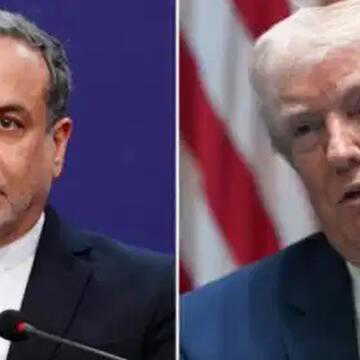
Iranian Foreign minister Abbas Araghchi was quoted as saying by TOI, "Any attempt to adopt new or separate arrangements compared to what is underway by the Islamic Republic of Iran, will only lead to more complicated situations and delays in the reopening of the Strait of Hormuz, and will increase the tensions."
Also Read | Trump's portrait on a US passport? New limited-edition design unveiled for America's 250th anniversary
He added, "I urge all parties... to adhere to the memorandum of understanding and not to allow this MoU to deviate from its course."
US concerns and rising tensions
Analysts quoted by TOI believe the United States is attempting to reduce Iranian control over shipping routes. Hassan Ahmadian of the University of Tehran told TOI, "The United States wants different arrangements in place as opposed to the MoU that it itself signed."
He further said, “What we see is the United States trying to find its way out of this memorandum of understanding while obliging Iran to its end of the terms.”
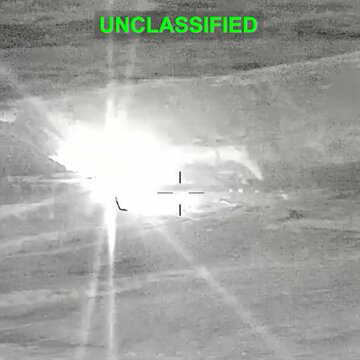
"United States aircraft just struck Iranian missile and drone storage locations, and coastal radar sites, for violating the Cease Fire Agreement, AGAIN! It is very possible that they will never learn!" - President Donald J. Trump 🇺🇸 pic.twitter.com/btHdMaR8Hd
— The White House (@WhiteHouse) June 27, 2026
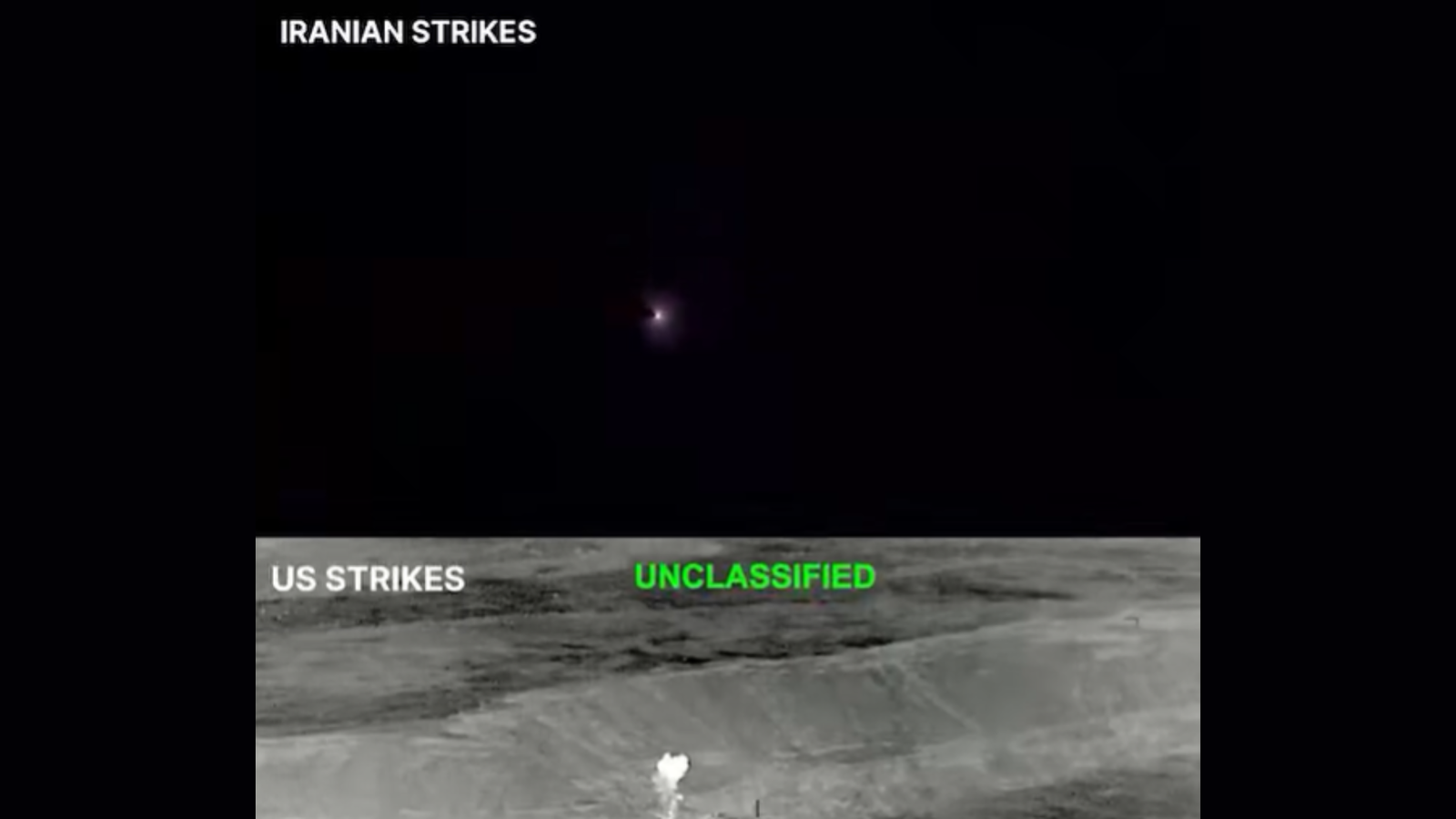
The latest escalation began after attacks on commercial vessels in the Strait of Hormuz. The United States blamed Iran and carried out strikes on Iranian military targets, while Tehran denied responsibility and retaliated against US facilities in the Gulf, pushing the fragile agreement into uncertainty once again.
FAQs:
What is Article 5 of the US-Iran MoU?
It outlines the framework for safe commercial navigation through the Strait of Hormuz.
Why has Article 5 become controversial?
The US and Iran have different interpretations of who should control shipping routes in the strait.