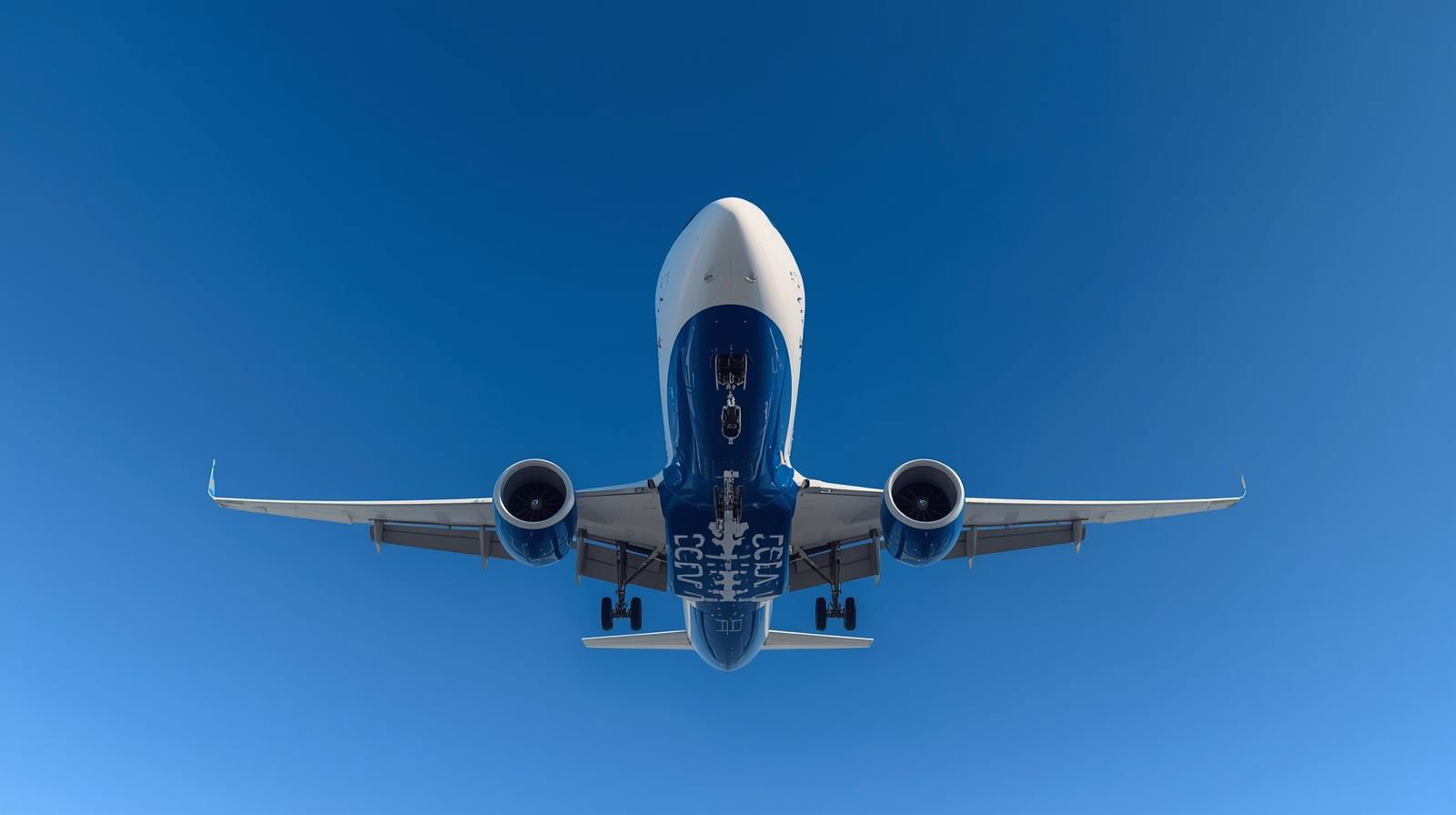
The top carriers in India are opposing the imposition of freshly framed guidelines on the management of crew fatigue, citing that these could disrupt operational efficiency and increase costs at a time when the aviation sector is still stabilising.
According to a report by Outlook Business, a group representing these operators has approached the aviation regulator to seek some relaxations to these draft norms.
Also Read | ‘Sooner the better’, IAF set to induct more advanced fighter aircraft, says Vice Chief
Airlines seek flexibility in draft norms
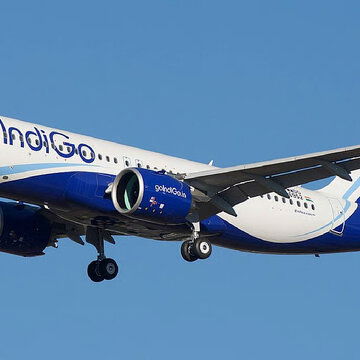
The Federation of Indian Airlines (FIA), whose members include IndiGo, Air India and SpiceJet, has objected to several provisions proposed in October 2025. The draft rules aim to strengthen safety and improve working conditions for flight attendants.
Some of the key changes under consideration include an increase in the minimum weekly rest time for cabin crew from 36 to 48 hours, tighter night flying rules, and a requirement for single-room hotel accommodation during layovers to aid crew rest between duties.
While it's more common practice for international airlines to allow single rooms only, this is not mandated by international regulations. In a letter to the Directorate General of Civil Aviation (DGCA), the FIA reportedly submitted that adopting this regulation could result in a sharp escalation of costs and pose logistical issues, especially in airports where space for accommodation of staff is limited. Airlines fear they may be forced to house staff far from terminals or in less suitable locations.
Safety push after recent concerns
The rules have been proposed with an aim of "enhancing safety of operations", especially with the safety of air operations under focus following last year's Air India crash that killed 260 people. However, the investigators are yet to determine the cause of the crash, though issues of pilot mental health are becoming an industry-wide talk.
Also Read | 'Thousands for 1 kg, nothing for delays': Raghav Chadha raises airline accountability issue in Parliament
However, the FIA stated that some measures go beyond global benchmarks, such as categorising ultra-long-haul flights by those that are over 14 hours instead of the norm at 16 hours. The federation warned that the end effect of these rules has the potential to "severely" impact crew, roster and expansion.
Gradual rollout suggested
According to Outlook Business, the FIA has requested the Directorate General of Civil Aviation to reconsider stricter restrictions on night time flights, including specific limitations for landings, to ensure that they reflect fatigue science. The group has proposed this to be implemented gradually rather than all at once.
The timing is critical for airlines. IndiGo, for example, cancelled about 4,500 flights in December while adjusting to new pilot FDTL rules. Since there is no set timeline for the cabin crew regulations, talks between the regulator and airlines are likely to keep going.