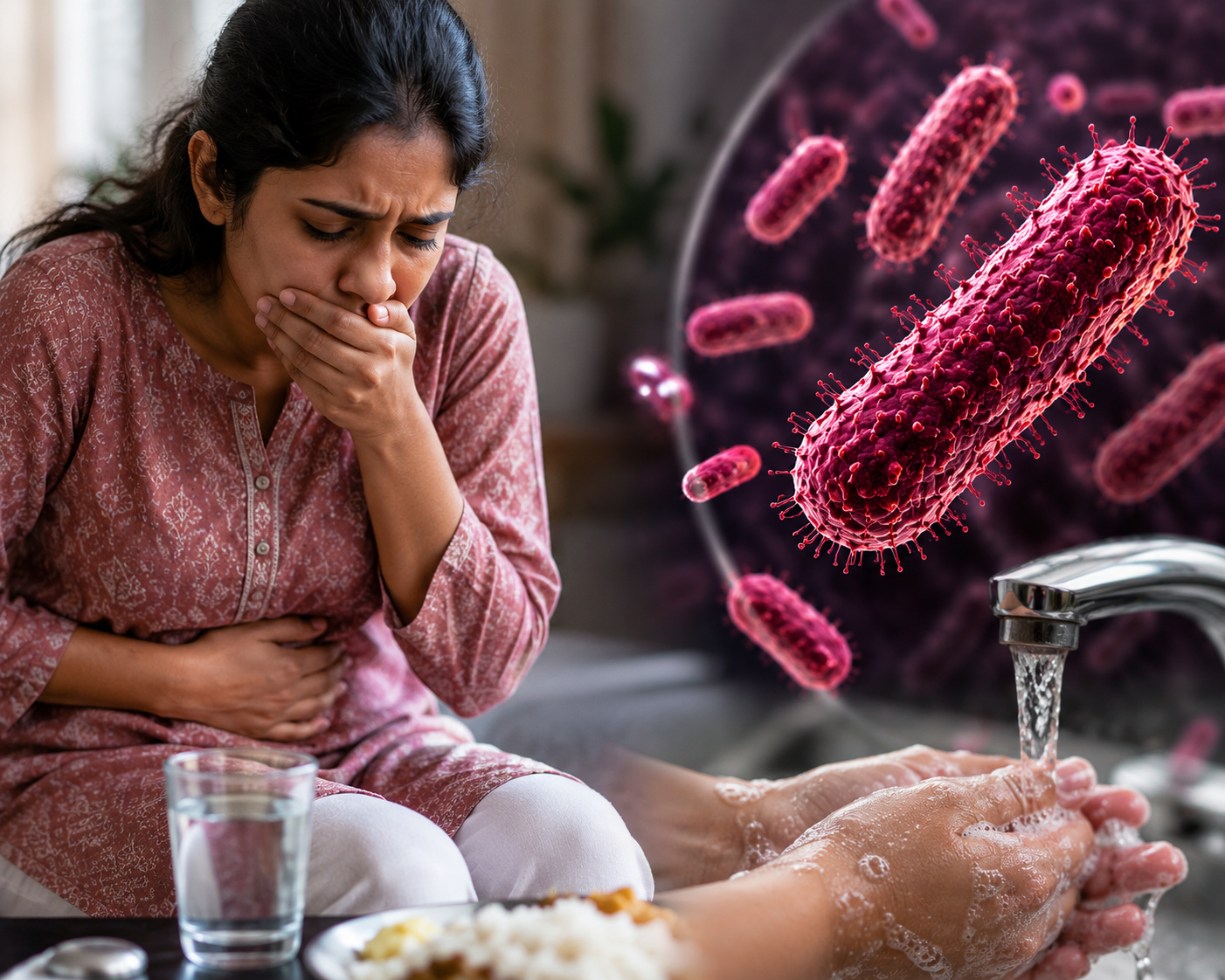
Kerala has reported 146 cases of Shigella infection and five associated deaths over the last six months, raising concerns among public health authorities about the spread of the highly contagious bacterial disease.
As per PTI reports, Minister of State for Health K. Muraleedharan informed that there has been a sudden spike in the number of cases during the month of June when 70 cases were detected, resulting in four deaths.
The most affected district is found to be Kozhikode, which has 74 confirmed cases, whereas Malappuram and Thiruvananthapuram had 25 each.
What is Shigella and how does it spread?
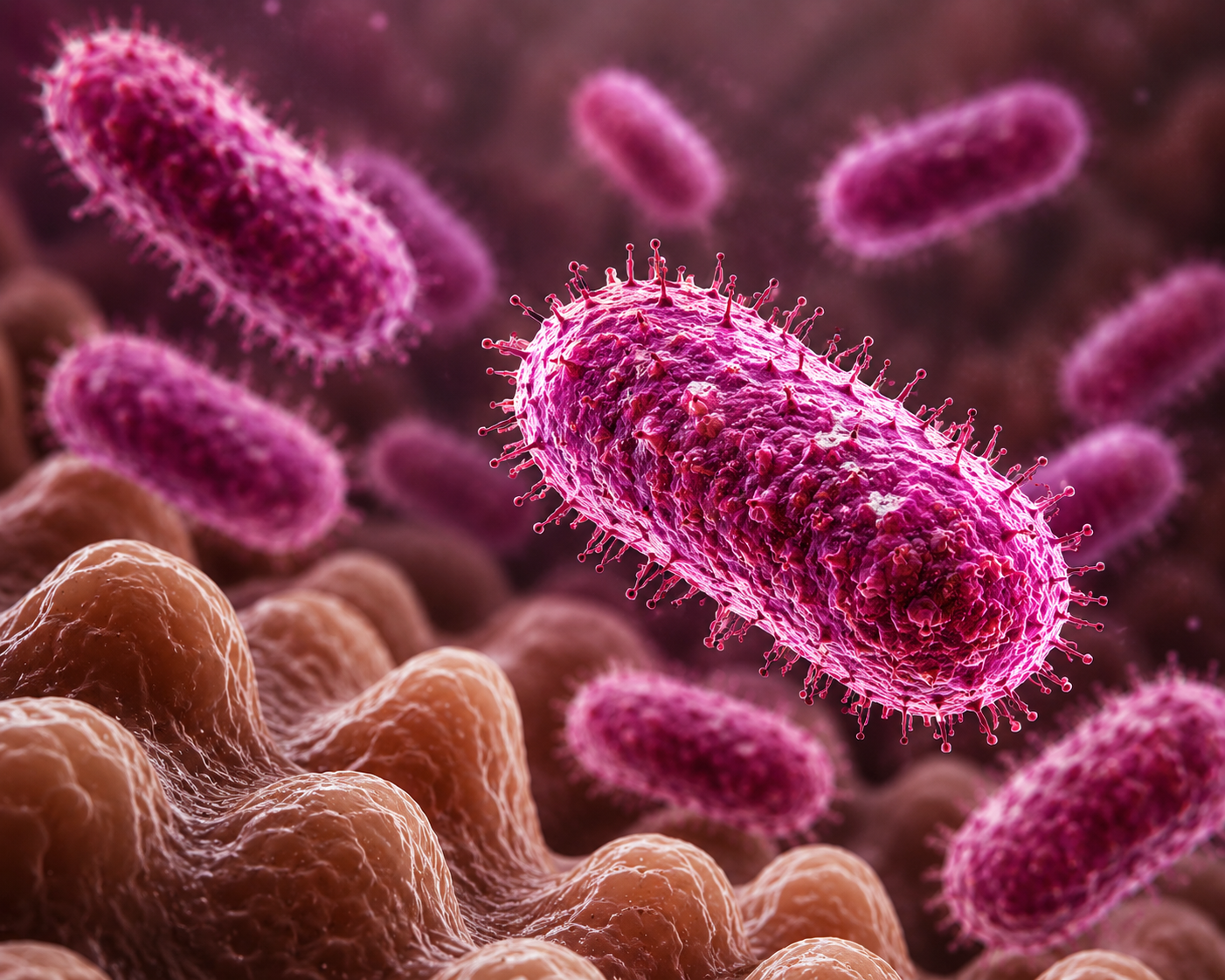
Shigella is the name of bacteria, which causes shigellosis. It is an intestinal disease which is transmitted very quickly through contaminated food, water and poor hygiene.
Also Read | 'Rs 370 biryani' remark row: Comedian Pranit More, techie booked by Gurugram police
As per health officials, the infection needs only a small number of bacteria to infect the body, thus becoming more communicable.
The infection commonly spreads through:
Contaminated food or drinking water
Poor hand hygiene after using the toilet
Contact with contaminated surfaces and objects
Food handling by infected individuals
Symptoms and treatment
Symptoms generally appear within one to two days of exposure and can range from mild to severe.
 AI Generated
 Common symptoms include:
Diarrhoea, sometimes with blood or mucus
Severe stomach cramps
Frequent urge to pass stools
Fever
Nausea and vomiting
Dehydration
While most healthy adults recover within a week, the infection can become serious for young children, elderly individuals and people with weakened immune systems.
For most patients, treatment focuses on hydration through fluids and Oral Rehydration Solution (ORS). Severe cases may require antibiotics under medical supervision. Health experts have advised against self-medication, citing concerns over increasing antibiotic-resistant strains of Shigella.
Also Read | Monsoon advances across India: Delhi may get more rain, Mumbai under yellow alert
Authorities urge preventive measures
In light of rising number of cases in certain areas of Kerala, health authorities are urging the people to keep a good hygiene standard.
Health experts are recommending frequent hand washing, use of boiled or treated water for drinking purposes and proper handling of food items. People have been advised to visit hospitals immediately if they are having symptoms like fever or bloody diarrhoea.
FAQs
Q1. What is Shigella infection?
This infection is caused due to bacteria and results in intestinal disease known as Shigellosis which is characterized by fever, diarrhoea, stomach cramps, and dehydration.
Q2. How can Shigella infection be prevented?
It can be avoided by following some preventive measures which include frequent hand washing, drinking clean water and maintaining hygiene during food preparation.