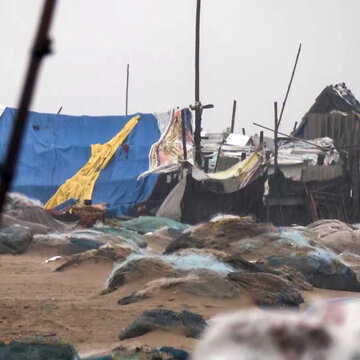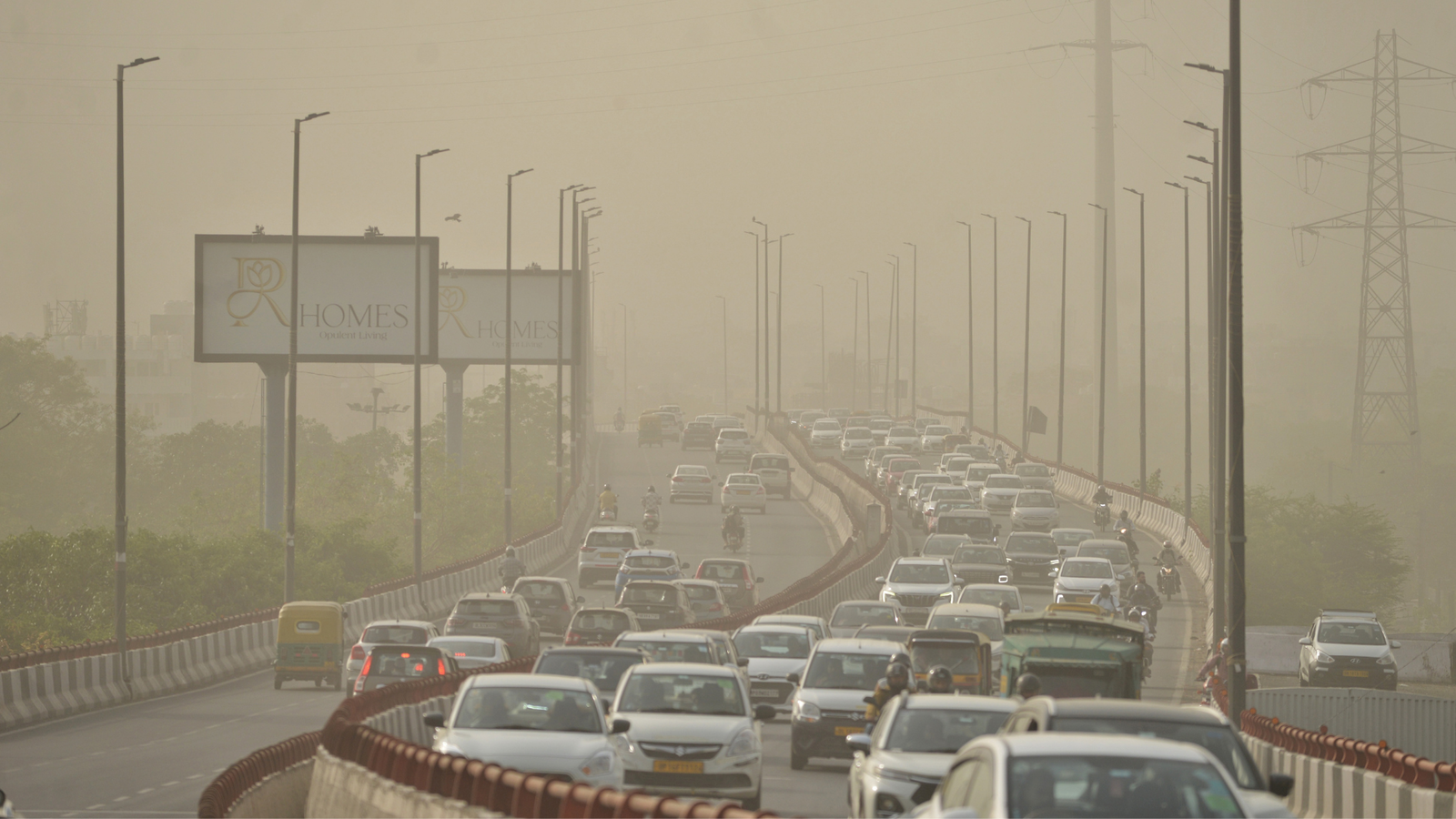
December 2 is celebrated as National Pollution Control Day as a sombre reminder of the 1984 Bhopal tragedy. Several citizens in the largest metro cities of the country are feeling the same threat. In the cities of New Delhi and Mumbai, the air has thickened, the skies have dimmed, and the challenge of pollution has evolved from industrial casualness to everyday suffocation.
Delhi’s winter smog: Progress lost to cold winds
In 2025, the Delhi–NCR region had a hopeful start with an average Air Quality Index (AQI) between January and by the time November, it dipped to 187. It was the lowest in eight years (excluding 2020). The winter’s chill brought back what many were afraid of over the past few weeks. The AQI readings climbed back to the ‘very poor’ and ‘severe’ range.
On the eve of Pollution Control Day, dozens of monitoring stations are flagged dangerously with high pollution levels. Certain discrepancies were reported about the AQI in Delhi, such as the manipulation of data by sprinkling water around the AQI measuring devices. This shows a dangerous problem in the capital of the world’s largest democracy, where Rs 1,885 crore was allocated for Pollution control and Environmental welfare.
ALSO READ | Delhi’s air quality deteriorates to ‘very poor’ as cold wave intensifies
The authorities have not reimposed the toughest changes under the Graded Response Action Plan (GRAP). Certain measures, like construction bans and vehicle restrictions that could reduce emissions. The results claim citizens are reminded that even progress can be fragile, relying on weather, emissions and enforcement.
For many in New Delhi, Pollution Control Day no longer commemorates a distant disaster; it echoes in each breath, each cough, each hazy morning.
Mumbai’s late-year alarm: Dust, construction and rising risk
Mumbai is seen as safer from Delhi-style smog. Although the city is facing its own pollution reality check. Certain parts of the city have already adopted the pollution-control measures that come under GRAP-4 after pockets faced sharply degrading air. The construction sites, dust-generating activities and poorly regulated emissions are being asked to shut or clean up to reduce rising particulate levels. The intervention is patchy, with dozens of air-quality monitors across the city staying inactive or switched off, even while dust levels rise, which is lowering the efforts to track the real danger.
ALSO READ | Mumbai pulls out its pollution-control trump card; GRAP-4 now active: All you need to know
National Pollution Control Day should act as a reminder of the past tragedies. Delhi and Mumbai today show the living tragedy with polluted air, health advisories, and restricted skies. The 2025 data shows that a country without pollution isn’t guaranteed and is very hard to achieve. The gains can vanish with the season and habituated problem.