








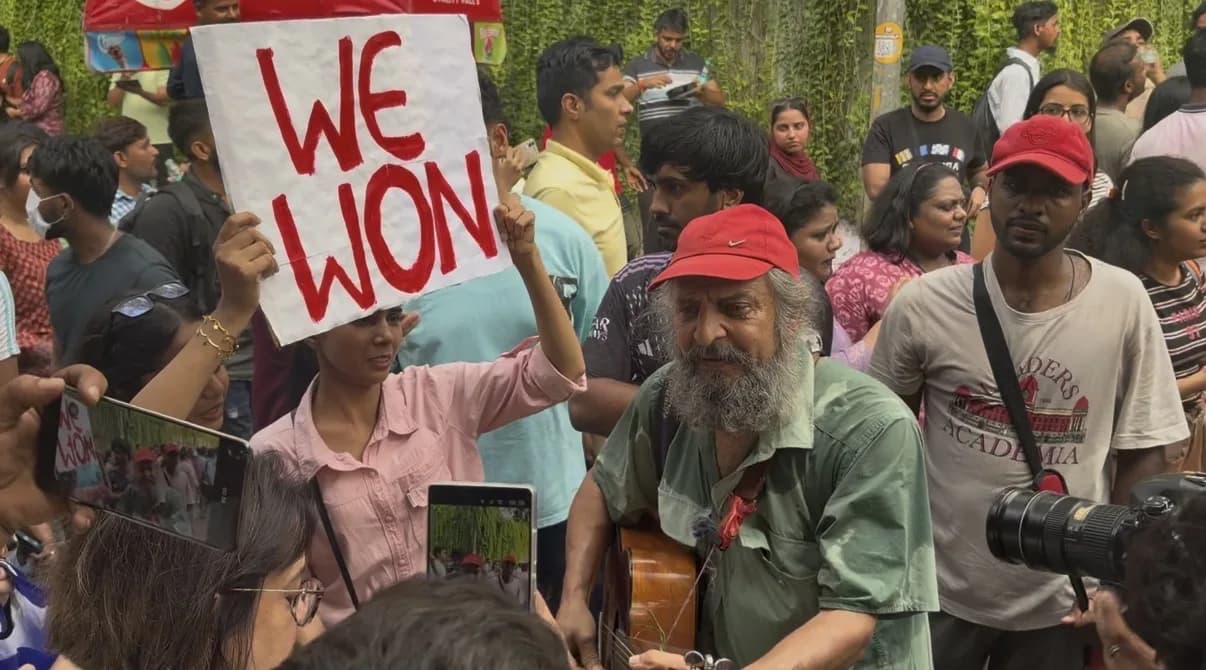










The Centre is preparing to introduce the new paper leak bill in Parliament with sweeping amendments aimed at making India’s public examination system more secure and accountable. The legislation, which seeks to strengthen the Public Examinations (Prevention of Unfair Means) Act, 2024, comes after months of nationwide outrage over alleged paper leaks and examination irregularities. Following Prime Minister Narendra Modi’s assurance of stricter laws, the new paper leak bill proposes tougher punishments, faster investigations and dedicated courts to ensure that cases are resolved without prolonged delays.
New paper leak bill proposes stricter punishment for offenders
One of the biggest changes under the new paper leak bill is a significant increase in penalties for those involved in examination fraud. Individuals found guilty of using unfair means could face a minimum prison term of five years, which may extend to ten years, along with fines reaching ₹50 lakh.
The legislation also targets service providers and companies linked to examination processes. Organisations found responsible for lapses could face penalties of up to ₹5 crore and be barred from handling public examinations for eight years. Directors and senior officials may also face harsher punishments if investigations establish their involvement.
For organised paper leak rackets, the new paper leak bill prescribes imprisonment ranging from seven to ten years along with fines that may go up to ₹10 crore.
Also Read | Amit Shah says students matter more than ministerial posts

New paper leak bill sets deadlines for investigations and trials
A major feature of the new paper leak bill is its emphasis on time-bound justice. The proposed amendments empower the Centre to establish special investigation teams alongside central agencies for handling such cases.
Investigations will have to be completed within two months from the date of referral by the Central government. The bill also mandates the creation of special fast-track courts in consultation with state governments and respective High Courts.
These courts will hear cases on a day-to-day basis, with trials expected to conclude within three months after the filing of the chargesheet. Appeals before High Courts will also be prioritised and disposed of, as far as possible, within three months.
Also Read | At Kargil Vijay Diwas, Rajnath Singh draws red line on Pakistan, PoK talks
New paper leak bill focuses on restoring public confidence
The new paper leak bill is expected to be introduced in the Lok Sabha by Union Minister Jitendra Singh during the Monsoon Session. The proposed legislation follows the resignation of former Union Education Minister Dharmendra Pradhan amid the NEET controversy and reflects the government’s attempt to rebuild confidence in the examination system.
The Centre believes the new paper leak bill will improve transparency, strengthen accountability and reassure students that future examinations will be conducted fairly. With stricter punishments, fixed investigation timelines and speedy judicial processes, the legislation represents one of the most comprehensive reforms in India’s public examination framework in recent years.
