As convicted godman Gurmeet Ram Rahim Singh continues to walk out of jail on repeated paroles, accused Umar Khalid remains incarcerated without trial. Senior advocate Ashwini Bakshi calls it a “mockery of justice”, questioning how punishment and process have been turned upside down.
Two prisoners, two sharply diverging realities, and a justice system under uncomfortable scrutiny
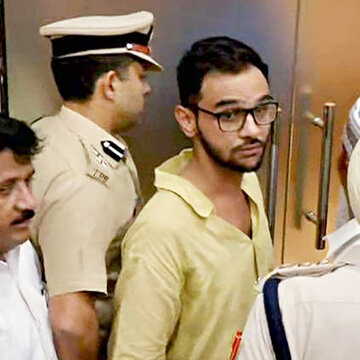
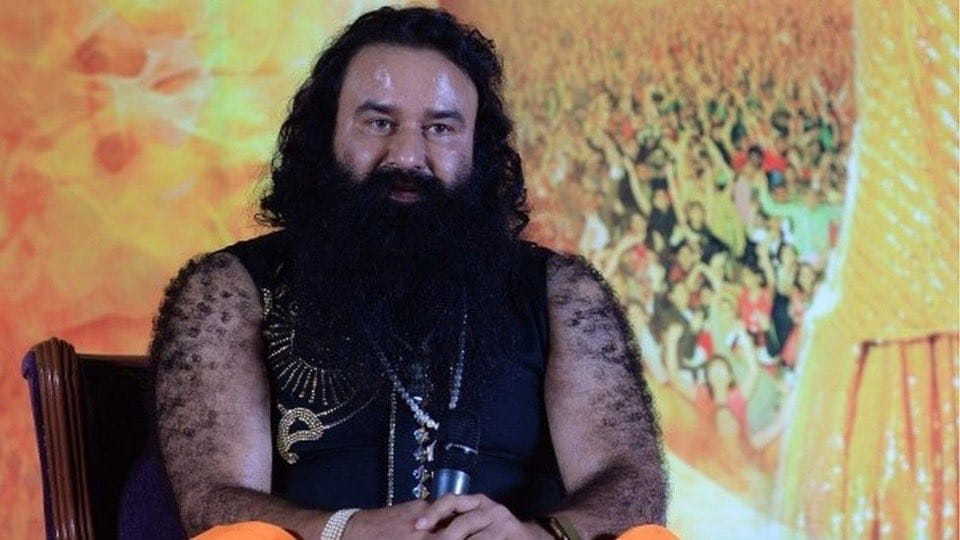
On one side is Gurmeet Ram Rahim Singh, a self-styled godman convicted of rape and murder and sentenced to life imprisonment. On the other is Umar Khalid, an undertrial accused in the Delhi riots conspiracy case, lodged in jail since September 2020 under the Unlawful Activities (Prevention) Act, without his trial having begun.
The contrast, legal experts say, is no longer just ironic. It is disturbing.
Since his conviction in 2017, Ram Rahim has been granted parole at least 15 times, cumulatively spending over 400 days outside prison. Umar Khalid, meanwhile, has had his bail rejected on at least seven occasions, the most recent being on January 5.
Also Read | What is the 2020 Delhi Riots Case in which Umar Khalid and Sharjeel Ahmed are denied bail plea?
‘Is this justice or a farce?’
For senior advocate Ashwini Bakshi, who represented the complainant in the Ram Chander Chhatrapati murder case, the pattern reflects a systemic collapse of principle.
“Whether it was the Om Prakash Chautala government, Congress or BJP, Ram Rahim has always been treated differently in Haryana,” Bakshi said. “But after 2014, all limits were crossed. Otherwise, how does a person convicted of rape and murder get parole 15 times?”
Bakshi questioned the administrative chain that repeatedly cleared Ram Rahim’s release. “Why does the district magistrate approve his parole? Why does the state law department endorse it? Is this justice, or is it a farce?” he asked.
Pointing to the length of Ram Rahim’s paroles, often stretching 40 to 50 days, Bakshi added: “Life imprisonment is being served outside jail. Large portions of his sentence are effectively spent on parole.”
Also Read | State Bar Council faces Calcutta High Court case over alleged financial irregularities
‘Bail denied without trial’
The situation, Bakshi said, looks even grimmer when placed against Umar Khalid’s incarceration. “Repeatedly denying Umar’s bail goes against the very spirit of our justice system,” he said.
“If the state believes he was involved in the riots, let that be proven through a trial. You cannot keep someone in jail indefinitely without adjudication,” Bakshi argued, recalling the long-held judicial principle that bail is the rule, jail the exception.
Courts have cited the seriousness of allegations and the UAPA’s stringent standards to deny Khalid bail, even as the trial remains stalled more than five years after his arrest.
For many in the legal fraternity, the Ram Rahim–Umar Khalid contrast has become emblematic of selective justice. Conviction no longer guarantees confinement, while accusation alone can mean prolonged imprisonment.
As Bakshi put it bluntly: “One man, proven guilty, lives free for months. Another, not yet proven guilty, spends years in jail. If this is not a mockery of justice, what is?”