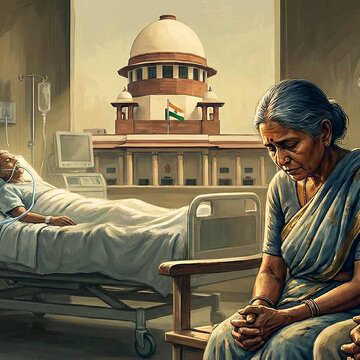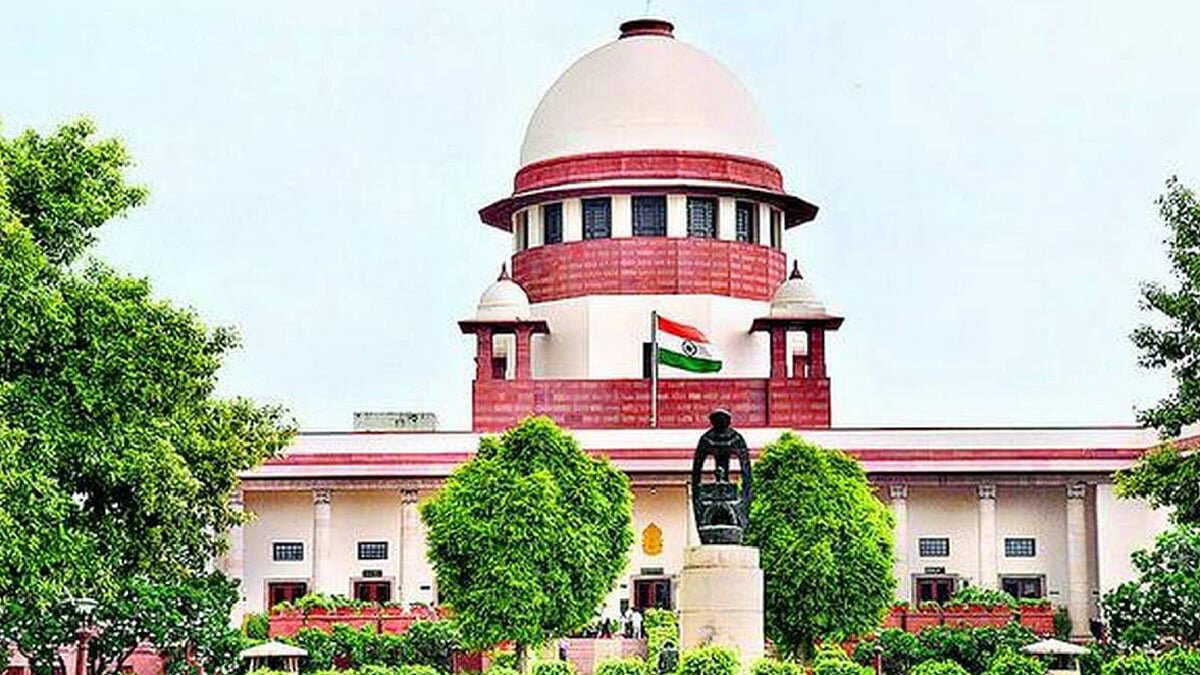
Incidents of student suicides, ragging-related violence, and unexplained deaths in higher education institutions have repeatedly raised serious concerns across the country. In many such cases, allegations have surfaced that even First Information Reports (FIRs) were not filed. Taking note of this pattern, the Supreme Court has now issued strict directions to all educational institutions.
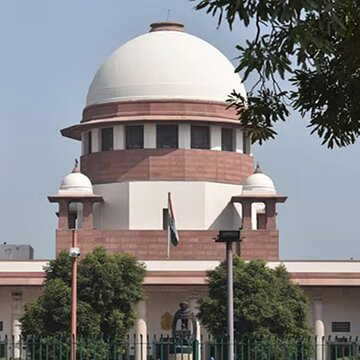
A division bench of Justice J.B. Pardiwala and Justice R. Mahadevan has issued clear instructions stating that police must be informed immediately whenever a student’s suicide or any unnatural death comes to light. The Court warned that failure to do so would invite contempt of Court proceedings against the concerned institution.
Immediate FIRs made mandatory
The Supreme Court had taken suo motu cognisance of frequent student deaths in June last year. As part of its directions, the Court has ordered universities to submit annual reports to the University Grants Commission (UGC) detailing all cases of student suicides and unnatural deaths. The bench observed that an FIR must be registered immediately in every such case, regardless of whether the incident occurs on a college campus, in a hostel, or elsewhere. The directive applies to all students, including those enrolled in online courses.
The Bench has also directed that every residential higher education institution must maintain 24-hour medical services. If on-campus medical facilities are not feasible, then there must be an emergency medical assistance facility within at least one kilometre radius.
New timelines for staffing, scholarships and compliance
Addressing longstanding complaints about shortages of teaching staff, the bench directed that all vacant teaching positions in both government and private institutions must be filled within the next four months. It further stated that non-teaching staff vacancies should be filled simultaneously. In addition, the Court ordered that any future vacancy must be filled within one month of arising.
Also Read | Delay in restarting 100-day work scheme draws Calcutta High Court's ire
The Supreme Court also issued a set of guidelines for both central and state governments. Among these, the timely disbursal of scholarship funds was highlighted. The Court directed that all pending scholarship payments must be cleared within four months and that authorities must announce scholarship schedules in advance.
The bench further instructed strict compliance with the 2009 UGC regulations on the prevention of ragging in higher education institutions, along with all other related rules.