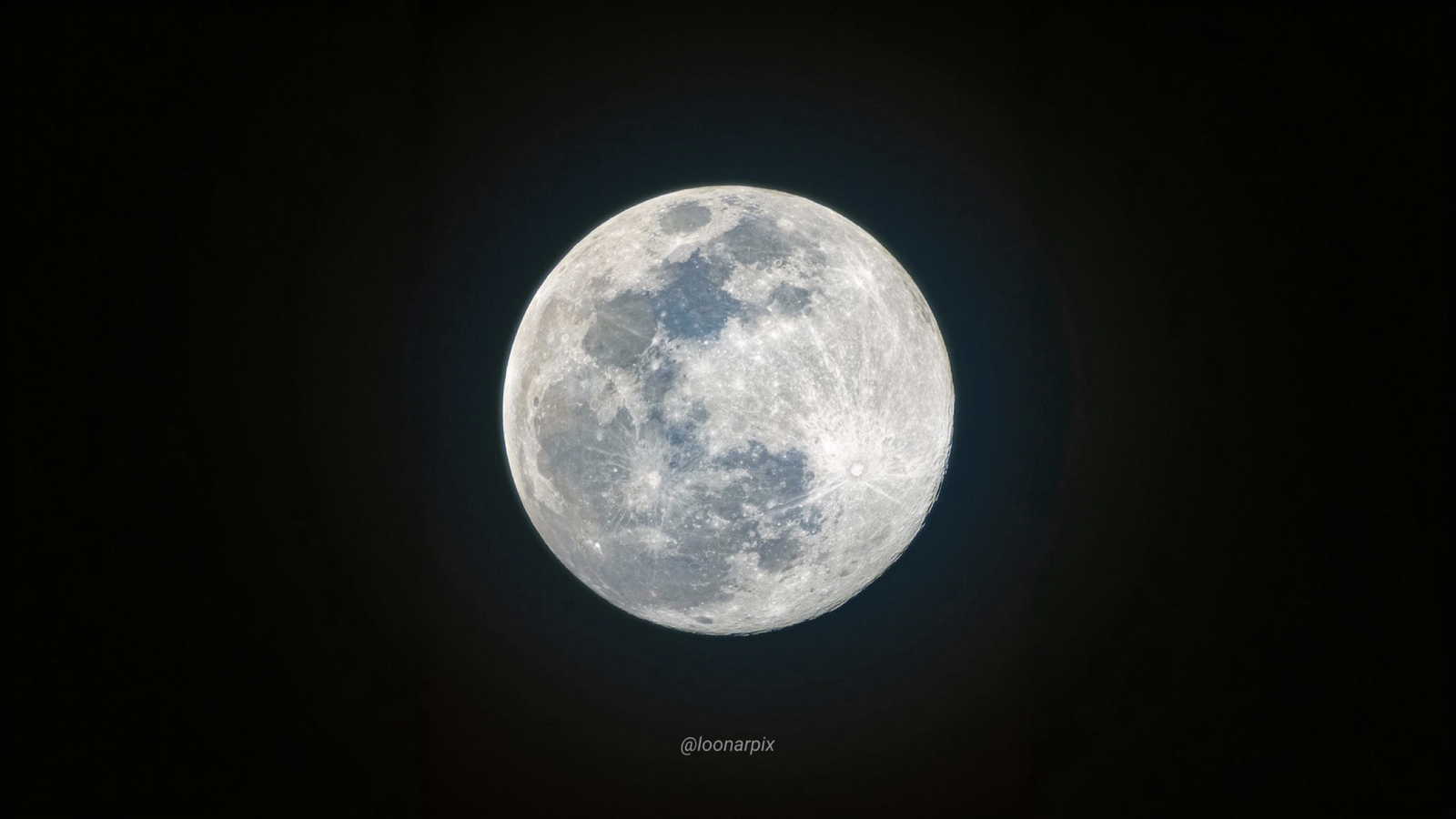
The final supermoon of 2025, known as the Cold Moon, lit up skies around the world on Thursday night, offering a striking celestial display as the Moon reached its closest point to Earth in its orbit.
The phenomenon occurred when the Moon came within 221,965 miles of Earth, making it appear noticeably larger and brighter than a typical full moon. Skywatchers across India and several other countries shared images of the luminous disc as it rose above city skylines and rural horizons.
Also Read | Tinder’s 2026 dating trends are here — check out the dating must-knows before your next swipe
Visible across India from early evening
In India, the Cold Moon became visible from early evening on December 4. Observers noted that the Moon appeared at its fullest and brightest around 4:44 am on December 5, when it reached the peak of its perigee phase. It looked like a frozen silver coin in the December sky.
Several users across social media platforms posted photographs capturing the dramatic glow, with many calling it one of the most striking lunar views of the year.
Why is it called a supermoon?
A supermoon occurs when a full moon coincides with perigee, the point where the Moon is closest to Earth in its elliptical orbit. Because of this proximity, a supermoon can appear up to 14% larger and nearly 30% brighter than the dimmest full moon of the year, which happens at the Moon’s farthest point, known as apogee.
Also Read | Why vitamin D deficiency is rising among Indians: Symptoms and food sources
The Cold Moon gets its name from winter traditions in the Northern Hemisphere and is typically the final full moon of the calendar year.
The next full moon expected on January 3, 2026, known as the Wolf Moon, will also be a supermoon. Sky enthusiasts can anticipate another bright lunar event as the Moon once again approaches its closest orbital distance to Earth.