We all enjoy a delicious meal, often reaching for the saltshaker without thinking. But even a small, everyday habit like adding too much salt can slowly take a toll on your health.
Salt is essential for fluid balance and nerve function, but when overused, it can cause long-term damage.
Here are five simple signs that you may be eating more salt than your body can handle
You feel constantly thirsty
After a salty meal, you may find yourself drinking more water than usual. That’s because high sodium pulls water out of your cells and into your bloodstream to keep sodium levels balanced.
ALSO READ | Coriander leaves drying fast? Try these easy tricks to keep them fresh longer
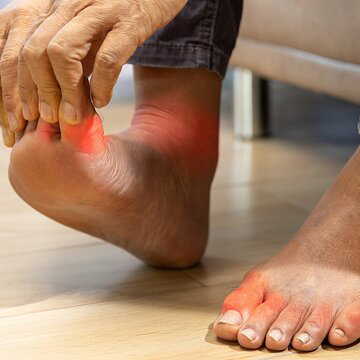
Your feet, ankles or face feel swollen or puffy
Excess salt can cause your body to retain extra water, leading to puffiness or swelling- especially in hands, feet, or ankles.
Persistent bloating or digestive discomfort
You may notice bloating, heaviness, or indigestion after salty meals. High salt intake can disturb your digestive balance and make you feel uncomfortable.
Unexpected weight gain without a change in diet or lifestyle
This isn’t always fat; it could be water weight. The fluid retention caused by too much salt can bump up your weight temporarily.
Blood pressure is creeping upward
Over time, excess salt can lead to elevated blood pressure, increasing your risk of heart disease, stroke, kidney issues, and other serious conditions.
ALSO READ | Want fresh strawberries? Here’s how to grow them easily in pots
Why does this matter?
A high-salt diet doesn’t just affect your comfort — it can weaken blood vessels, burden your heart and kidneys, and raise long-term health risks, including hypertension and cardiovascular disease. ([MDPI][6]) When salt intake remains high for years, the cumulative burden can be significant even if you feel “fine” now.
What can you do?
Try seasoning with herbs, spices, or lemon instead of salt.
Cut back on processed or packaged foods, as they often carry hidden sodium.
Drink plenty of water to help flush excess salt from your system.
Be mindful of salty snacks and restaurant meals, which can quickly push sodium intake beyond safe limits.
By staying aware of these signs and making small changes, you can protect your health and give your heart, kidneys, and overall well-being a big boost.