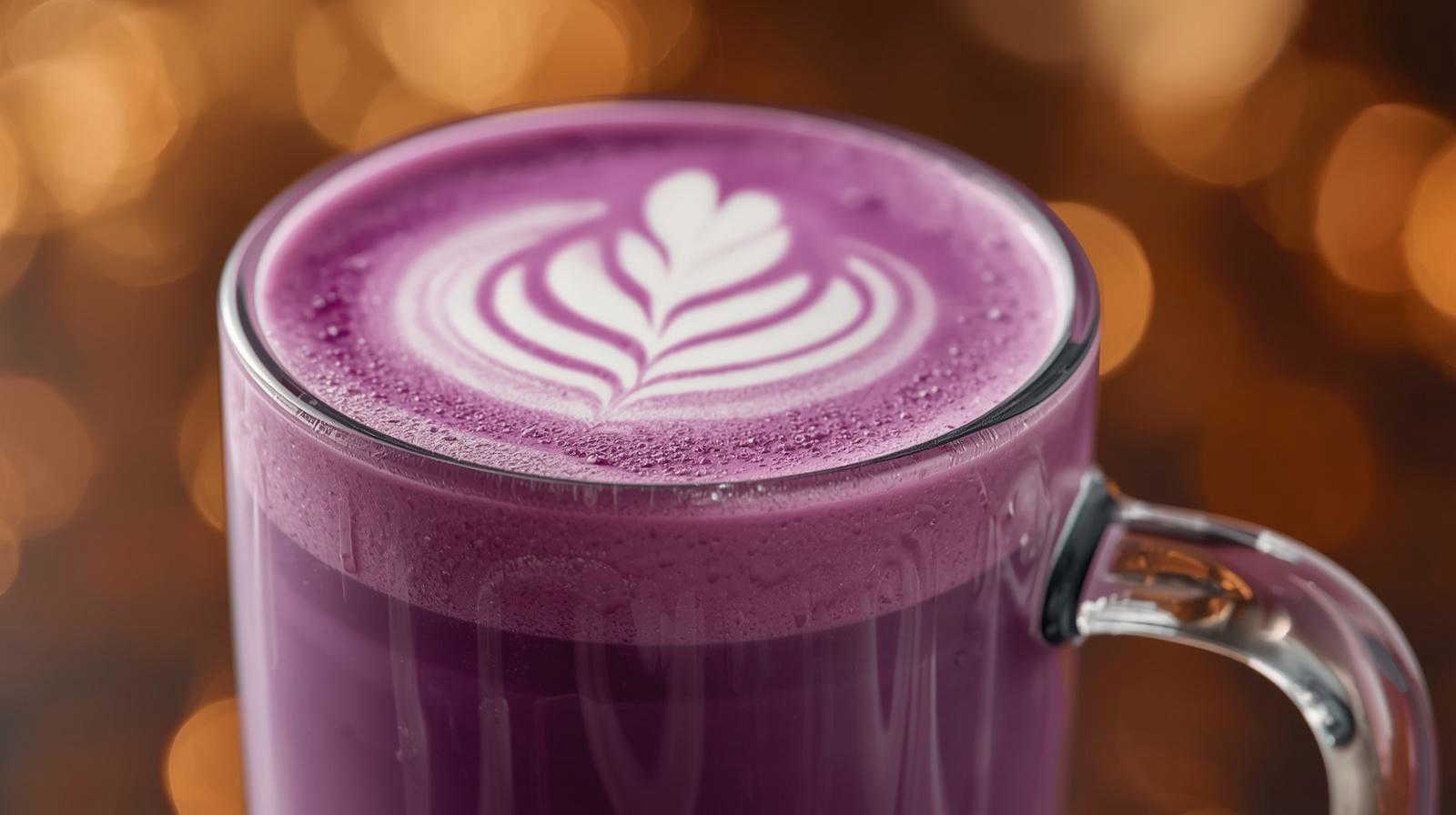
From Instagram reels to trendy café menus, a vibrant purple drink is taking over social media: ube coffee. Made with the Philippines’ famous purple yam, this eye-catching latte has become the latest obsession among coffee lovers for its dreamy colour and unique flavour. But behind the viral hype and aesthetic appeal lies a bigger question: is coffee actually healthy, or just another sugar-loaded trend in disguise?
What exactly is ube?
Ube is a naturally sweet root vegetable known for its bright purple colour and earthy flavour. Traditionally, it has been used in cakes, ice creams, and desserts. Now, it is being blended with lattes to create the trendy “ube coffee.”
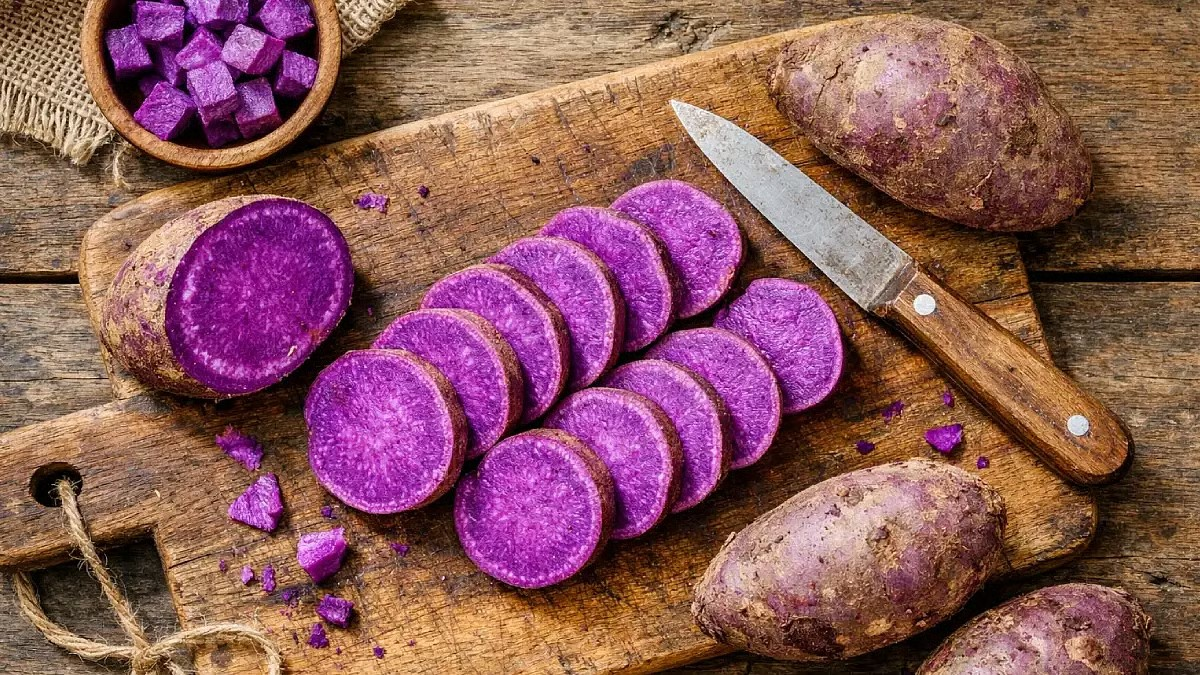 /Instagram
 Health benefits vs social media hype
According to nutritionists, ube contains plenty of fibre and antioxidants, which can help improve digestion. However, its growing popularity among younger consumers is largely driven by its eye-catching colour and social media appeal. While ube can be nutritious, experts caution against treating it as a “miracle” health drink.
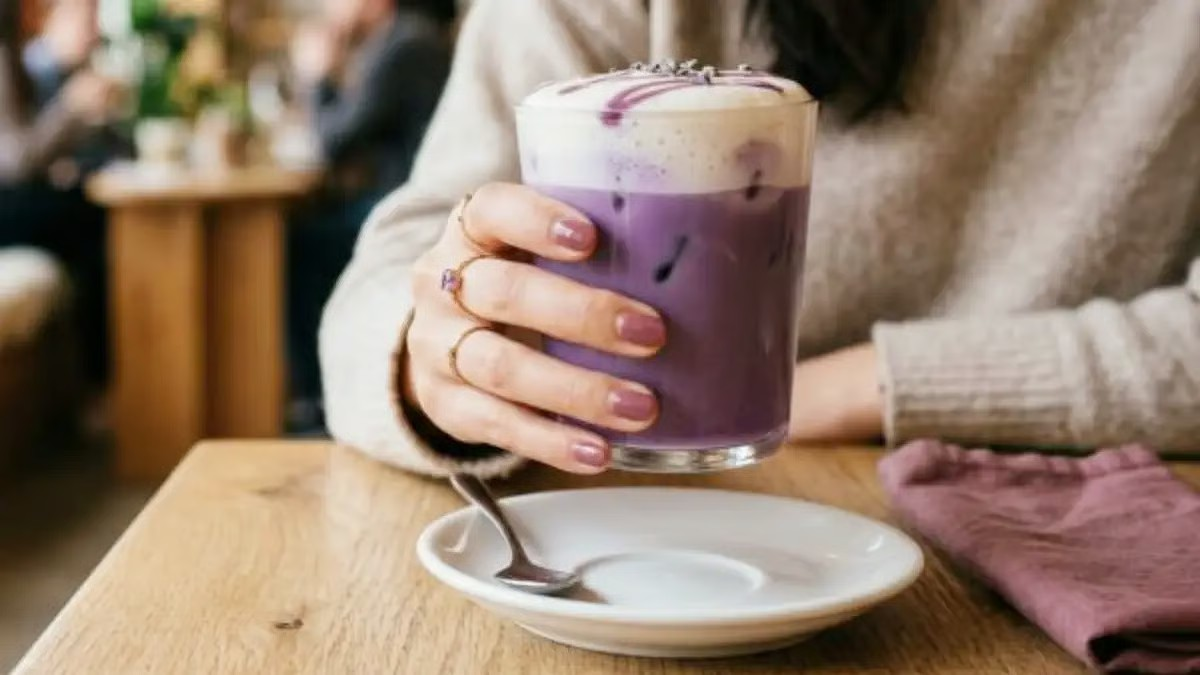 Viral ube coffee is as aesthetic as it is controversial. /Instagram
 Is it better than flavoured coffee?
If prepared naturally, ube coffee can be a healthier alternative to regular syrup-loaded flavoured coffees because it contains fibre from the actual vegetable. The problem begins when cafés add excessive sugar, flavoured syrups, and cream to enhance taste and appearance. In such cases, the drink becomes more of a dessert than a healthy coffee option.
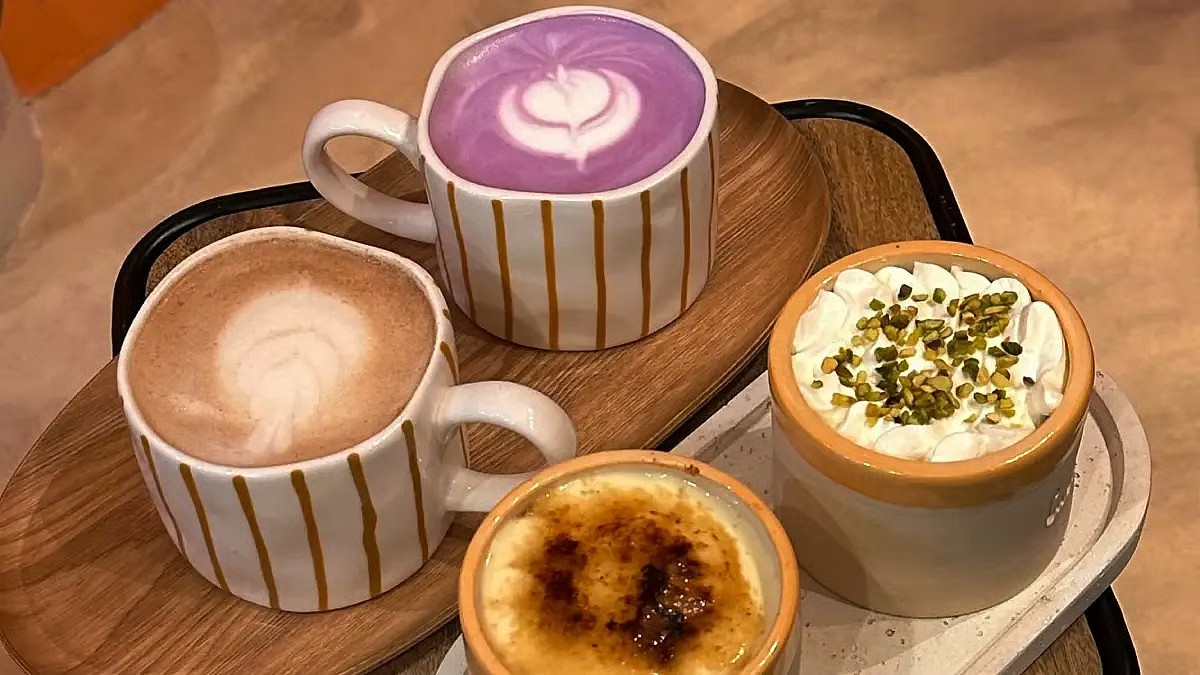 Ube coffee blends vibrant colour with café culture. /Instagram
 Is it safe for diabetics?
Although ube is naturally sweet, it may not always be safe for people with diabetes. Nutrition experts warn that added sugar and cream can significantly increase calories and spike blood sugar levels. Diabetic individuals are advised to opt for low-sugar versions and consume the drink in moderation.
Also Read | FSSAI reveals the easiest way to identify genuine organic products
Ube vs matcha: Which one wins?
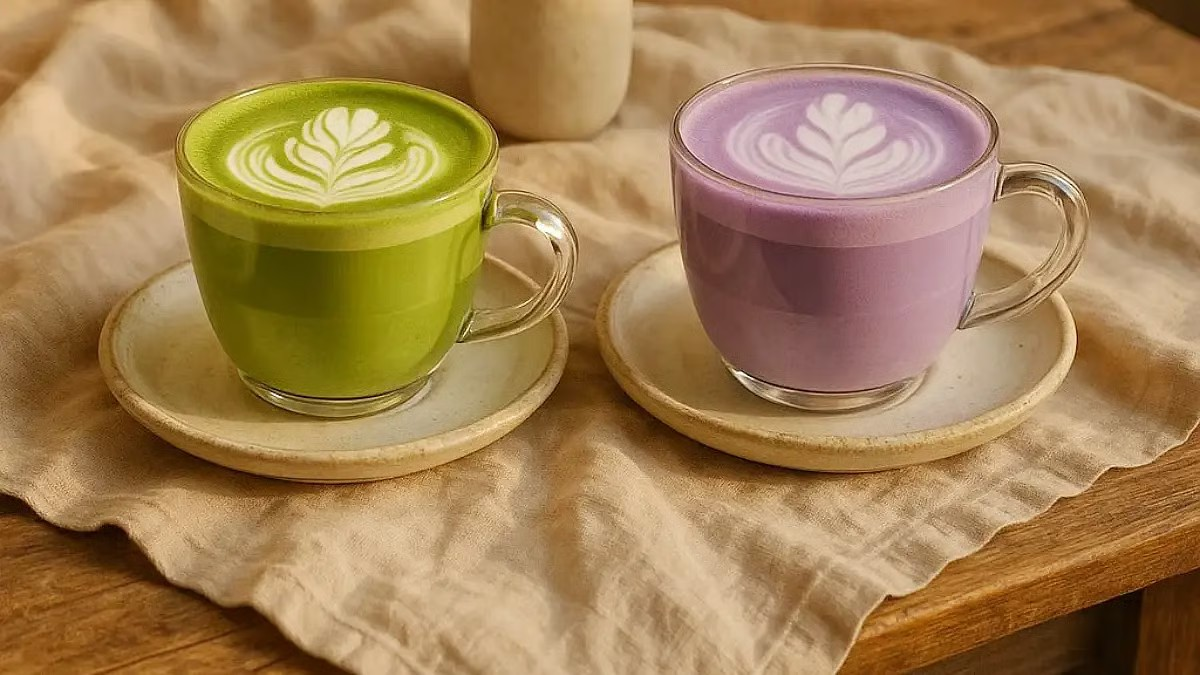 The trendy purple latte sparking health debates online. /Instagram
 Among health-conscious consumers, matcha remains extremely popular. Compared to ube, matcha appears to have a stronger nutritional edge. Matcha contains a much higher concentration of antioxidants, and its metabolism-boosting properties are scientifically proven. In comparison, ube’s health benefits are still considered relatively basic.