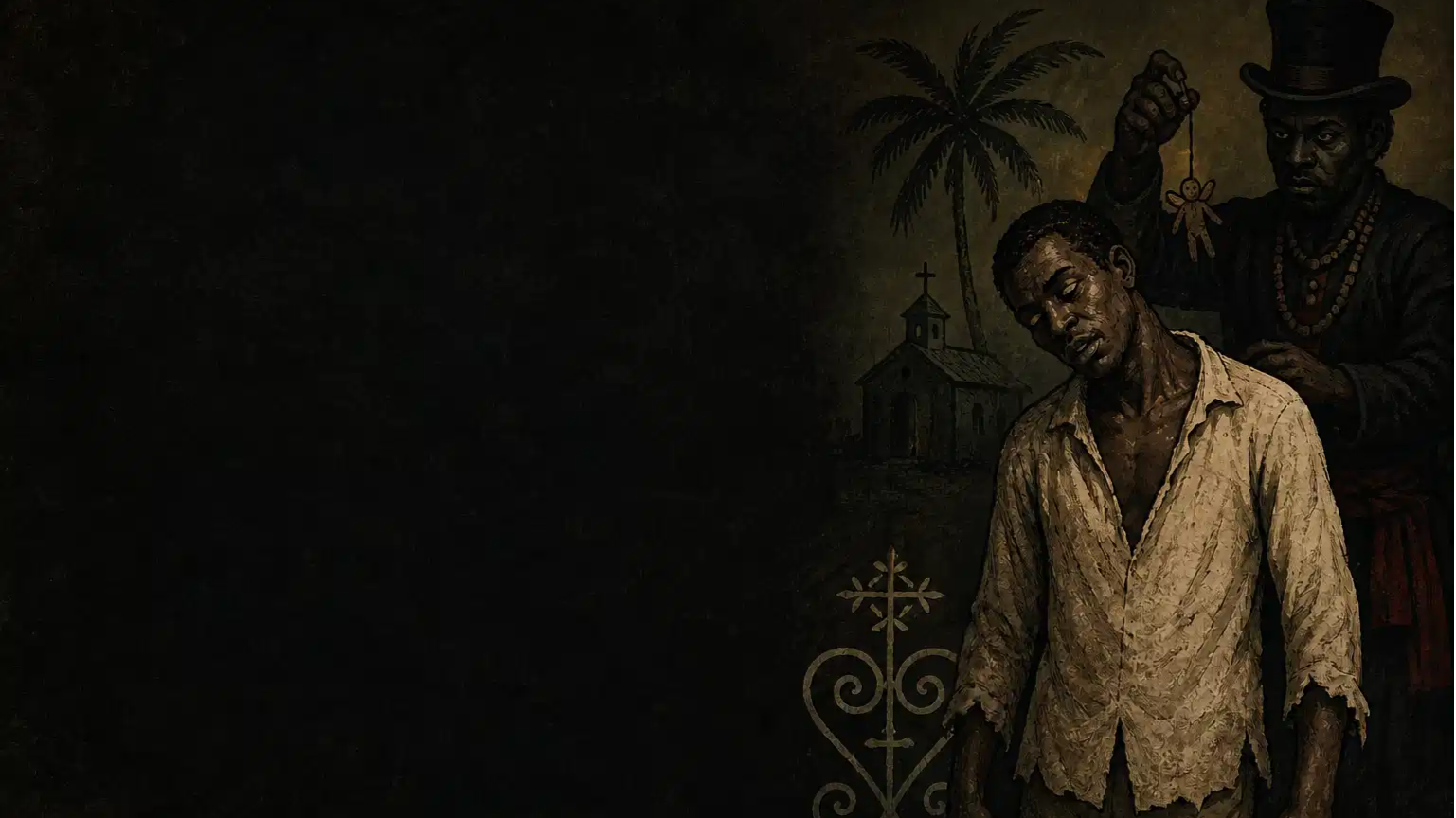
The term “zombie,” which is currently linked to the genre of apocalyptic fiction and the films of horror, finds its origins away from the realm of the quick undead. The word stems from Haitian folklore, where it has an entirely different definition that was much more sinister.
As a derivation of the Haitian Creole “zonbi,” it referred to a living individual who lost his or her free will. For the Haitians, it represented subjugation and enslavement, ideas influenced by the oppressive colonial past of the nation.
From Haitian folklore to global imagination
The idea of zombies entered global consciousness in the early 20th century through The Magic Island by William Seabrook. The book documented his experiences in Haiti and introduced Western audiences to local beliefs about zombification.
Also Read | Love without deadlines? Inside Gen Z’s bold rewrite of relationship rules
The concept soon made its way into cinema with White Zombie, one of the first feature-length films on the subject. Early portrayals of zombies focused on themes of mind control and servitude rather than violence, reflecting their cultural origins.
Over time, the image of the zombie evolved, especially in modern films and series such as Train to Busan and All of Us Are Dead, where the undead are depicted as fast-moving carriers of infection.
The case that shaped the myth
Another popular example that was associated with the origin of zombies is the case of Clairvius Narcisse. Narcisse was said to have been pronounced dead in Haiti in 1962, but miraculously appeared after eighteen years.
His story indicated that he had been made unconscious through poisoning and subsequently revived in order to make him work. He attracted the attention of Wade Davis, who carried out research on his case, looking for some scientific basis for the phenomenon.
This resulted in a publication entitled The Serpent and the Rainbow.
Also Read | Can sudden weather changes from heatwaves to hailstorms make you sick? Here`s what we know
A symbol of fear, not fiction
In Haiti, the idea of a “zonbi” is not tied to horror entertainment but to the fear of losing autonomy. It represents a person trapped in their own body, controlled by external forces.
Unlike modern portrayals, these figures are not violent but are seen as victims of manipulation and coercion. The concept reflects historical anxieties rooted in slavery and loss of freedom.