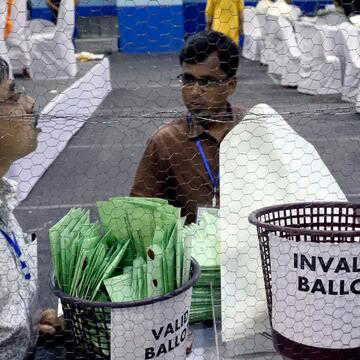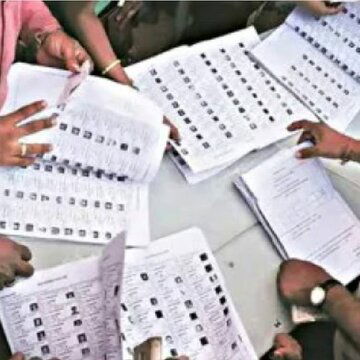
As Bengal’s election results come into focus, one question keeps returning: Did voters express anger through the ballot? The answer is not simple. Anger exists, but it shares space with welfare benefits, local leadership, and identity politics.
In many constituencies, there is visible fatigue with governance. Complaints around jobs, corruption, and local-level control structures have shaped conversations on the ground. For some voters, this translated into a desire to “send a message.” That message was not always about rejecting the state entirely, but about correcting it.
At the same time, welfare schemes continue to hold a strong influence. Benefits linked to cash transfers, food security, and women-centric programmes created a loyal base. This is where Bengal differs from many other states. Voters often weigh dissatisfaction against what they are receiving. The result is a more balanced decision, not a purely emotional one.
Also Read | ‘You will win after sunset’: Mamata Banerjee urges TMC workers to stay calm amid ongoing count
Leadership also plays a major role. The presence of Mamata Banerjee continued to shape voter perception over the years, but for many, leadership is seen as accessible and local. For others, there is a growing demand for alternative voices. This push and pull defines the electoral mood.
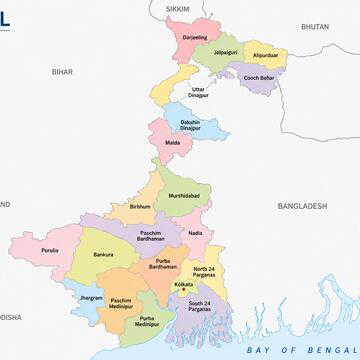
Another important factor is the regional variation. North Bengal, border districts, and urban Kolkata did not vote the same way.
Issues have varied from place to place. In some regions, identity and national narratives gained traction. In others, hyperlocal concerns like roads, jobs, and law and order dominate. This diversity makes it difficult to describe the election as a single wave of anger.
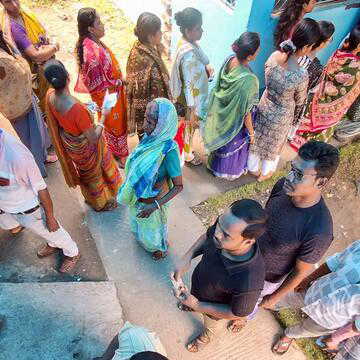
Young voters are also adding complexity. First-time voters are less tied to traditional loyalties. They are influenced by social media, employment prospects, and peer conversations. Their choices are not always predictable, and they do not always align with older voting patterns, as is clearly reflected in the election trend.
There is also the role of opposition strategy. A fragmented opposition often splits anti-incumbency votes. Even when anger exists, it does not always consolidate into a single alternative. This has been a recurring feature in Bengal politics.
What stands out in this election is that voters are more expressive. They are willing to question, compare, and demand accountability. But they are also cautious. The vote is used as a tool of adjustment, not just rejection.
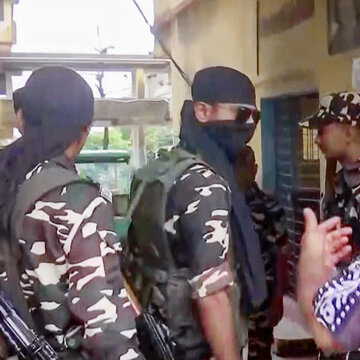
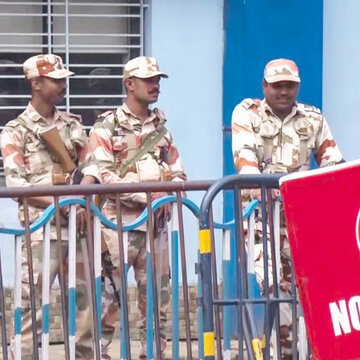
Also Read | West Bengal results: Tight security across centres, heavy force deployment in Birbhum
So, did Bengal vote in anger? In parts, yes. But the larger picture is more nuanced. Voters are not simply reacting. They are calculating. They are balancing dissatisfaction with stability and promises with past performance.
In Bengal, the ballot is rarely just about anger. It is about choosing what feels like the best possible option at that moment.