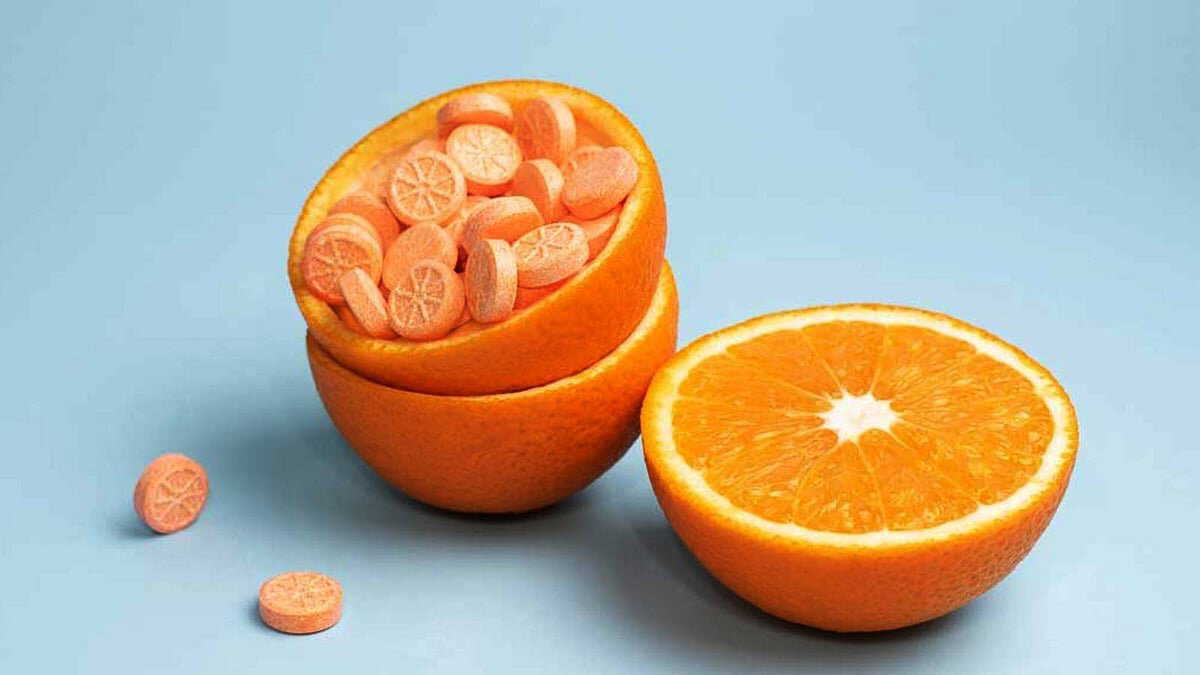
Various types of vitamins and minerals are needed to carry out physiological functions. However, even if one doesn't know the names of all the essential components the body needs, many people are familiar with vitamin C. This vitamin plays a role in everything from minor colds, coughs, and sore throats to hair and skin care. Vitamin C is also necessary to maintain the balance of free radicals in the body. According to information provided by England's National Health Service, people aged 19 to 64 need approximately 40 milligrams of vitamin C daily. This vitamin particularly helps boost immunity, control oxidative stress, and assist in collagen production. What other purposes does it serve?
Also Read | India’s Most Googled foods of 2025 revealed: Idli tops the list, surprising global dishes follow
Common cold:
Vitamin C doesn't work the same way for everyone in directly preventing colds or coughs. However, research has shown that having 250 milligrams to 1 gram of vitamin C in the body daily particularly helps prevent infection-related colds or coughs. Taking a moderate amount of vitamin C daily, as advised by a doctor, can help prevent such problems.
Heart problems:
Vitamin C also plays a role in preventing inflammatory problems in the heart arteries. This vitamin also helps control bad cholesterol levels in the blood. Vitamin C contains sufficient antioxidants. When free radicals remain balanced, heart arteries don't get damaged easily. When vitamin C levels in the blood are high, plaque cannot accumulate on artery walls. As a result, the risk of a heart attack decreases.
Also Read | Modi Gifts Bhagavad Gita to Putin: Skanda Purana reveals why giving the Gita is considered a virtuous act
High blood pressure:
Consuming vitamin C is also beneficial for those with hypertension or high blood pressure problems. When vitamin C levels in the blood tend to increase, it protects blood vessels. It doesn't allow oxidative stress to increase. Moreover, it helps increase nitric oxide levels. As a result, blood vessels dilate. Blood circulation is not obstructed.