December 6 is one of those days that resurfaces in public discourse year after year. This day has seen turning points which are tragic, some transformative, all memorable across continents
The Babri Masjid demolition (1992)
On December 6, 1992, a large mob demolished the 16th-century Babri Masjid in Ayodhya. This incident triggered nationwide riots and altered India’s political equations forever. The demolition reshaped communal discourse and set the stage for decades of legal, electoral, and cultural debates that still define contemporary India.
The Montreal Massacre (1989)
A gunman targeted women engineering students at École Polytechnique in Montreal on December 6, 1989. This incident resulted in 14 deaths. The tragedy pushed Canada and much of the world to fight misogyny and gun violence more critically. The day is now observed as the National Day of Remembrance and Action on Violence Against Women.
Finland Declares Independence (1917)
Finland officially broke away from the Russian Empire during the turbulence of World War I and the Bolshevik Revolution on December 6, 1917. The declaration cemented Finland’s identity as a sovereign state and is celebrated annually as Finnish Independence Day.
Also Read| Is your child obsessed with the phone? Here’s how to gently break the addiction
The 13th Amendment ratification (1865)
The United States formally ended slavery with the ratification of the 13th Amendment on December 6, 1865. It was a key victory of the Civil War era. This event legally liberated millions of people and setting the foundation for future civil rights struggles.
The founding of Washington, D.C. (1790): A capital is born
The U.S. capital, Washington, DC was formed on December 6, 1790. The day comes with key decisions made around this date that shaped the District of Columbia.
Also Read| Cold Moon 2025: last supermoon of the year visible across India; photos trend online
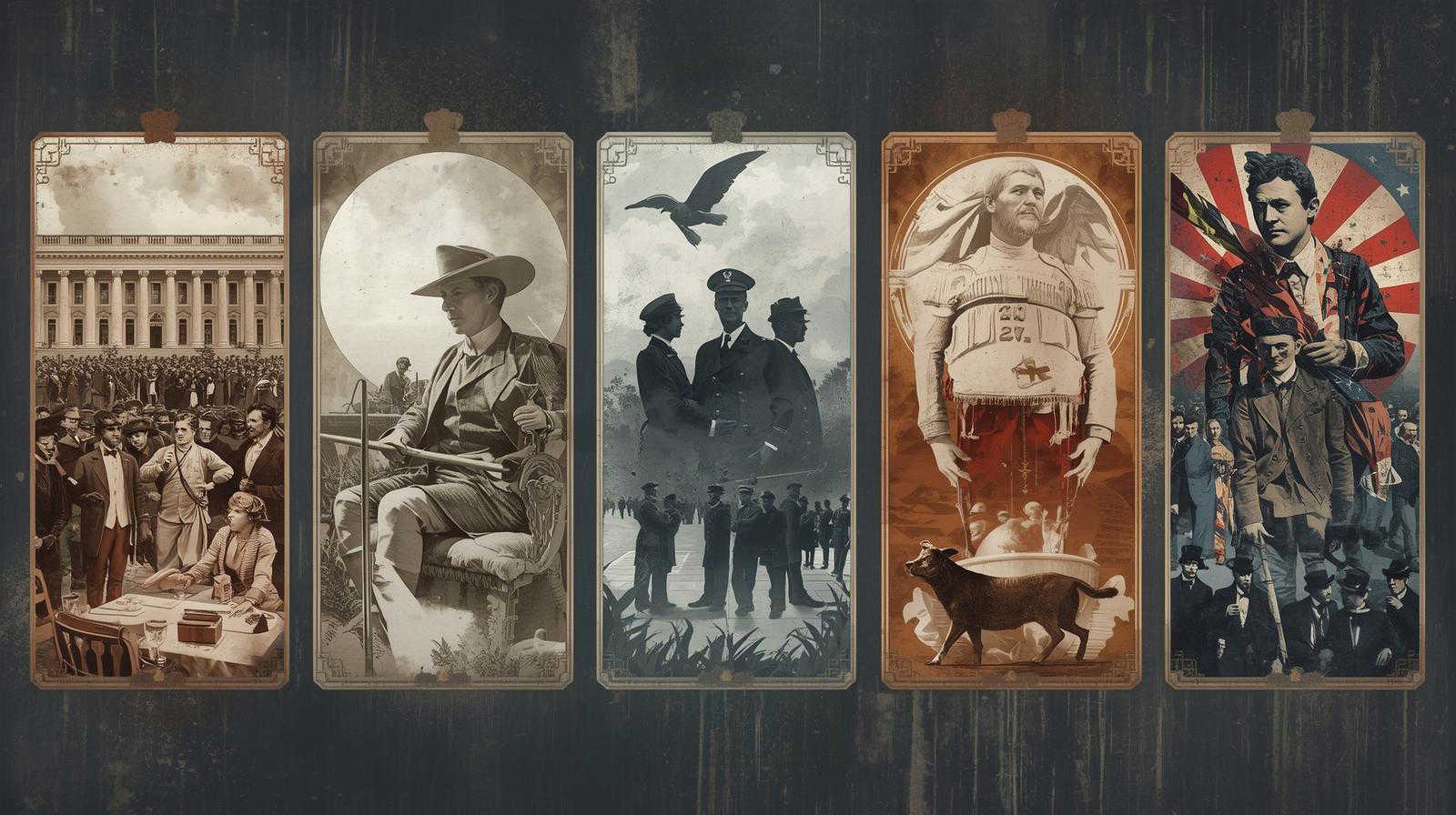
December 6 carries stories that echo across eras and nations. These five events capture just how diverse and consequential a date in history can be.