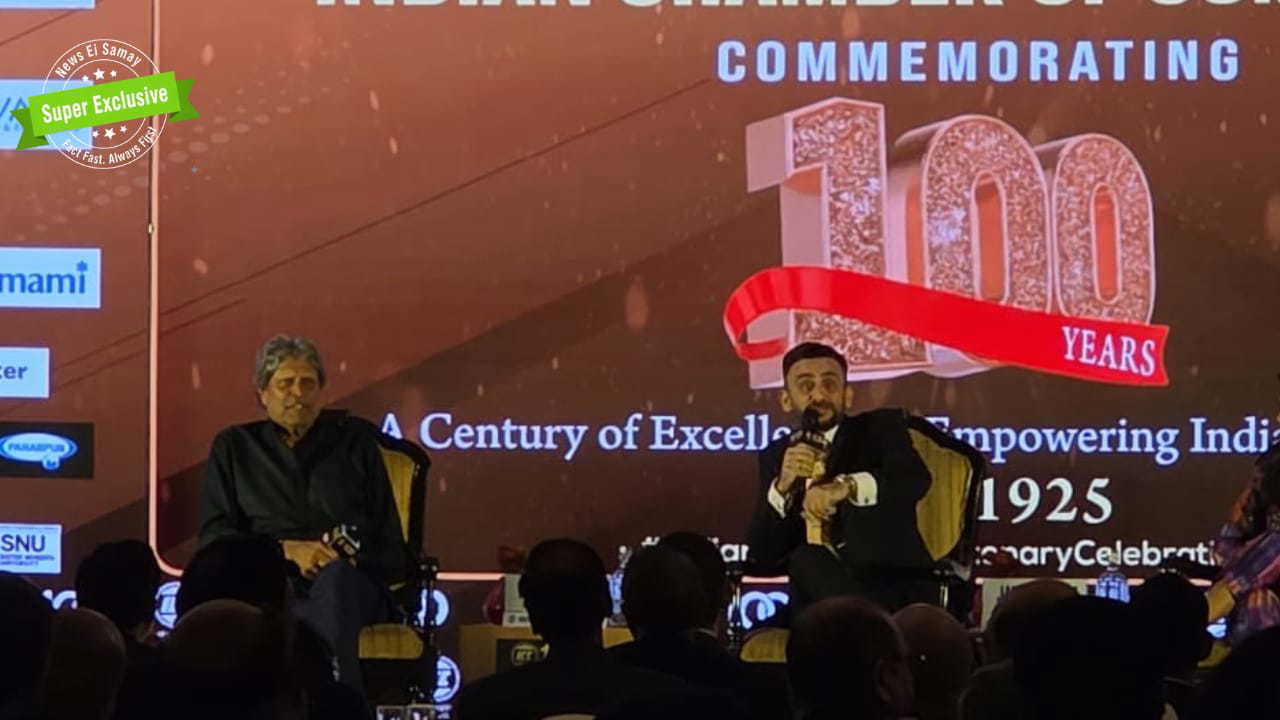
Former India captain Kapil Dev has urged greater understanding and unity in Indian cricket, saying players must be judged for their individual strengths and the team must be backed collectively during challenging phases.
“Don’t expect everyone to play like you, and stand up for the team,” Kapil said, underlining the importance of respecting different roles and styles within a cricketing setup, during the ICC Centenary Celebrations hosted in Kolkata. He added, "If they start playing like you, then they would become the captain, not you."
Also Read | Ishan Kishan’s 101 headlines Jharkhand’s run-fest in Syed Mushtaq Ali Trophy final
Public criticism and team unity
Kapil’s remarks come at a time when players are increasingly compared to past greats and subjected to intense scrutiny after every performance. The World Cup–winning captain cautioned against imposing unrealistic expectations on individuals, stressing that teams succeed when players are allowed to contribute in their own ways.
Without naming specific players or incidents, Kapil emphasised that cricket is a team sport and that public criticism can often do more harm than good. He said supporting the team, especially during difficult periods, is essential for maintaining confidence and morale.
When the team wins, the team should be in the front. When the team loses, the captain should be in the front, the cricketing legend added.
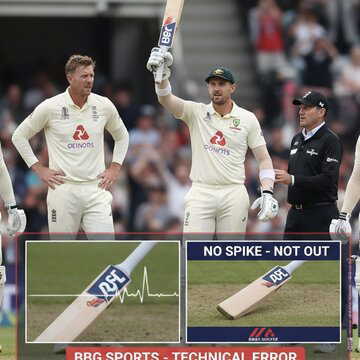
Also Read | Mitchell Starc tags Snicko Meter as the ‘worst technology’ after Ashes controversy
Kapil also hinted at the pressure modern cricketers face in an era dominated by constant commentary and social media reactions. According to him, excessive comparison and judgment distract players from focusing on their primary responsibility, performing for the team.
The former all-rounder has long advocated patience and balance in team building, and his latest comments reinforce his belief that leadership extends beyond on-field decisions. Standing up for the team, he said, is as important as individual brilliance.
Kapil Dev remains one of Indian cricket’s most influential voices, and his comments once again highlight the need for perspective and solidarity in how the game and its players are viewed.