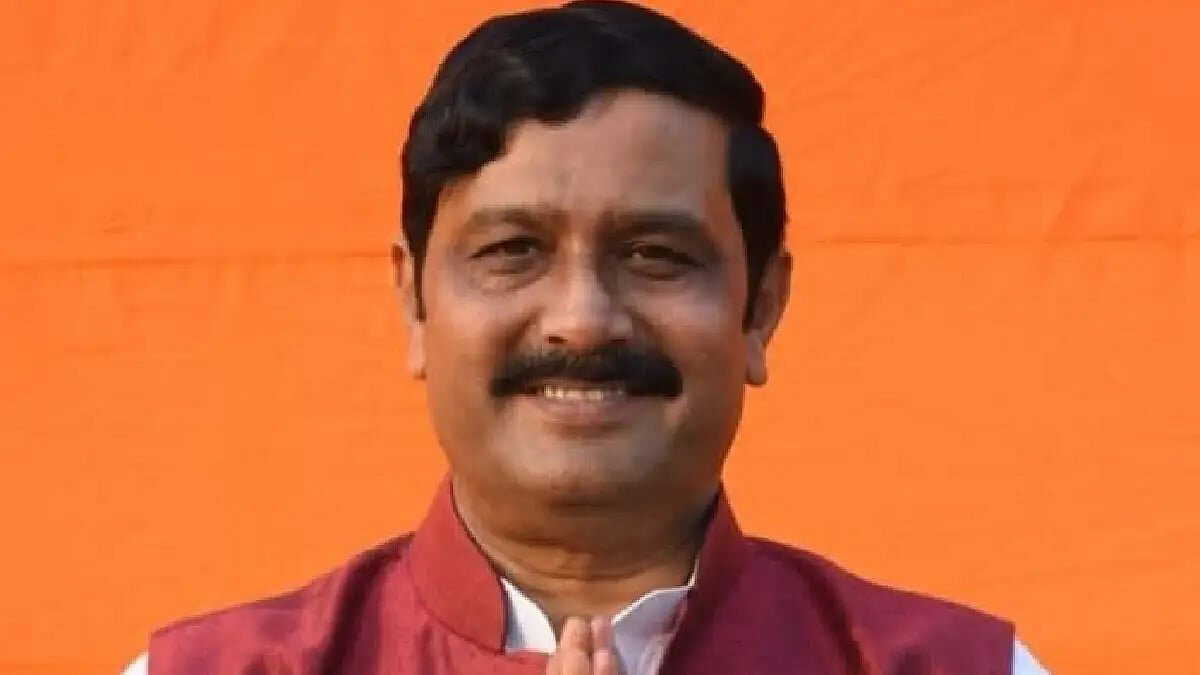
The Bharatiya Janata Party (BJP) on Tuesday announced its candidates for the upcoming Rajya Sabha elections, nominating nine leaders across different States, including Rahul Sinha from West Bengal and Nitin Nabin from Bihar.
The elections to 37 Rajya Sabha seats across 10 States will be held on March 16. The seats will fall vacant in April after the current members' terms end. The Election Commission will conduct the biennial polls.
The BJP is expected to strengthen its position in the Upper House, as it is either in power or part of the ruling alliance in six of the 10 States going to polls.
Rahul Sinha named candidate from West Bengal
In West Bengal, five Rajya Sabha seats are falling vacant. Of these, four are held by the Trinamool Congress and one by the CPI(M).
Since the CPI(M) has no MLAs in the West Bengal Assembly, it is not in a position to field a candidate this time. The BJP, which has more than 45 MLAs in the Assembly, the minimum required strength to field one Rajya Sabha candidate, has nominated Rahul Sinha.
The party had earlier sent Samik Bhattacharya to the Rajya Sabha from Bengal. This time, Rahul Sinha has been chosen. The nomination was officially announced on Tuesday.
Ananta Maharaj is currently a Rajya Sabha MP with BJP's support, though there is ongoing discussion regarding his present political position.
Candidates from Bihar and other states
From Bihar, the BJP has nominated Nitin Nabin, its national president, along with Shivesh Kumar. Bihar has five seats going to the polls.
The party has also named Terash Gowalla and Jogen Mohan from Assam, Laxmi Verma from Chhattisgarh, Sanjay Bhatia from Haryana, Manmohan Samal and Sujeet Kumar from Odisha.
Also Read | West Bengal electoral rolls out: Here’s how to check if your name is on the list
The States where seats are falling vacant include Maharashtra (seven), Tamil Nadu (six), West Bengal (five), Bihar (five), Odisha (four), Assam (three), Telangana (two), Chhattisgarh (two), Haryana (two) and Himachal Pradesh (one).
Rajya Sabha members are elected by elected MLAs through proportional representation using the single transferable vote system. Outcomes depend on the numerical strength of parties in each State Assembly.