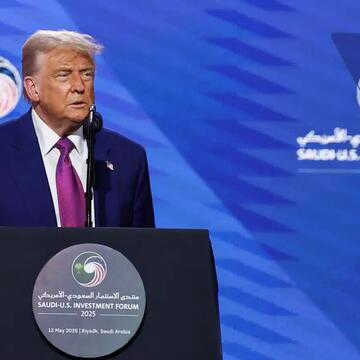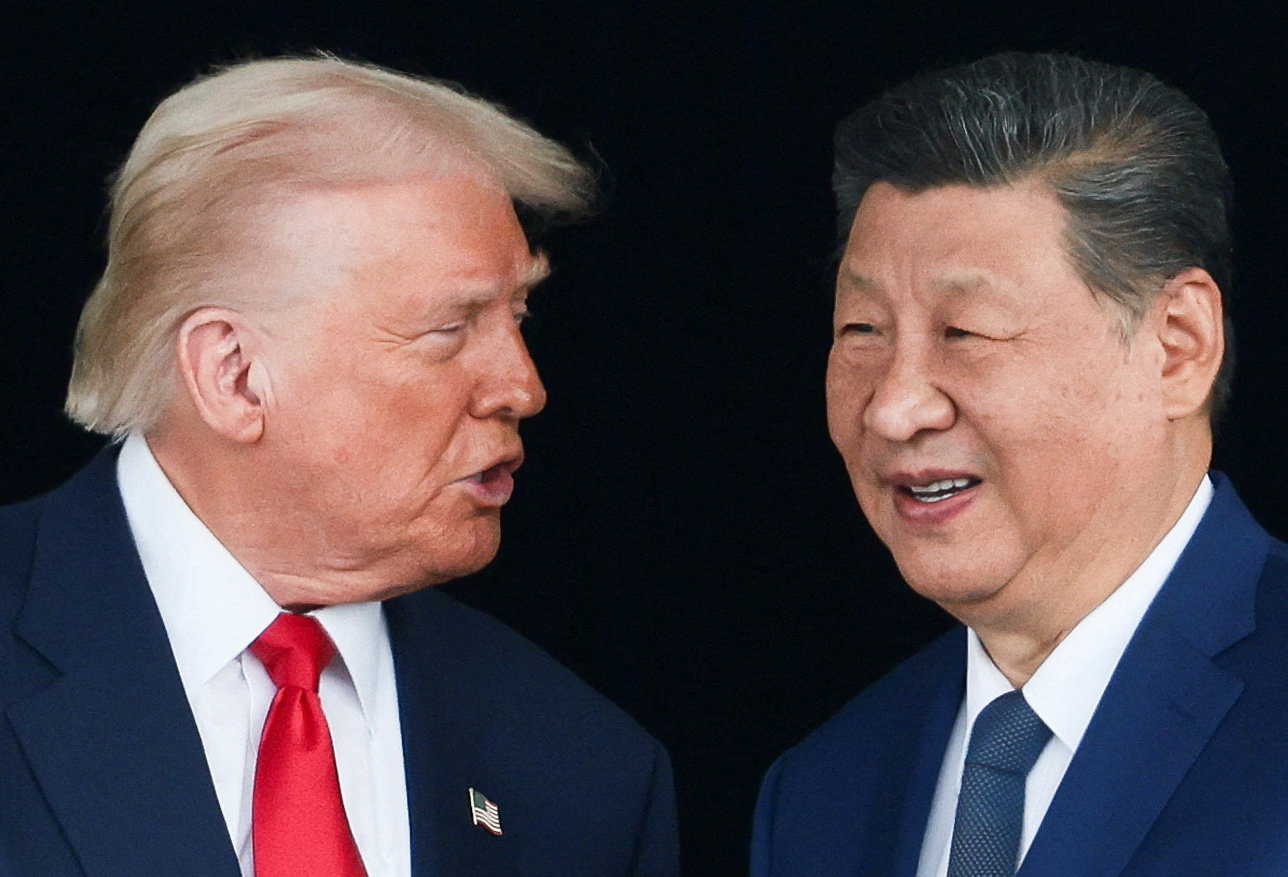
US President Donald Trump heads to China this week facing a far more difficult geopolitical landscape than earlier in his presidency, with the unresolved Iran conflict, economic pressure and strategic tensions shaping his talks with Chinese President Xi Jinping.
Analysts cited by Hindustan Times say the visit comes at a time when Washington's leverage over Beijing has weakened, particularly after recent US court rulings limited Trump's ability to use tariffs as a negotiating tool.
Iran conflict casts shadow over Beijing talks
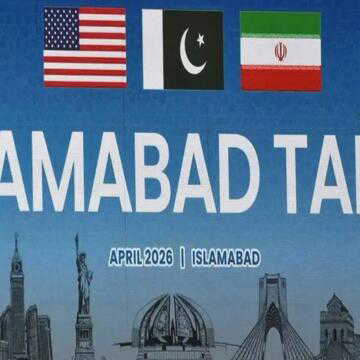
The continuing US-Iran conflict remains central to discussions ahead of Trump's Beijing visit. A proposed peace formula routed through Pakistan reportedly failed after Tehran refused to compromise on its nuclear position and linked broader negotiations to conditions around reopening the Strait of Hormuz.
Also Read | 'Tremendous symbolic significance': Donald Trump to visit China from May 13 amid trade and Taiwan tensions
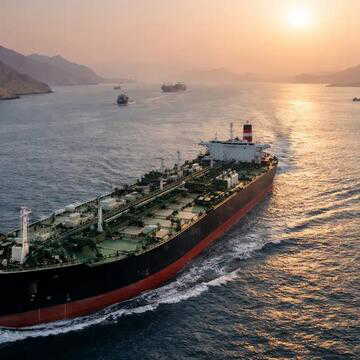
The disruption in the Strait of Hormuz has added pressure on the global economy, with energy markets and supply chains continuing to face uncertainty.
Strategic affairs analyst Kamal Gupta quoted by HT noted that both Washington and Tehran remain locked in a difficult position, describing the situation as a "catch-22" in which neither side appears ready to back down.
China's role has meanwhile become increasingly significant. Gupta said Beijing remains essential to any meaningful progress with Iran, especially as China maintains close strategic ties with Tehran.
He also argued that Trump's preference for quick agreements clashes with the negotiation style of both China and Iran, which traditionally rely on lengthy discussions and carefully drafted frameworks. According to Gupta, that makes "instant solutions" unlikely during the Beijing visit.
Tariff pressure loses effectiveness
Trump's traditional trade pressure tactics have also weakened. Previous tariff escalations led China to retaliate by restricting supplies of critical minerals, forcing Washington to step back.
Trade figures also reflect changing dynamics between the two economies, with American companies increasingly shifting manufacturing and supply chains toward countries such as India and Vietnam.
The broader geopolitical uncertainty has also pushed countries to reassess economic and security strategies across Asia and the Middle East.
Modi's Gulf outreach gains importance
At the same time, Prime Minister Narendra Modi is preparing for visits to the UAE and Europe, with the Gulf leg viewed as strategically important because of continuing tensions in West Asia.
Gupta said the India-UAE relationship has evolved into a major partnership covering food security, energy supplies, defence cooperation and political coordination.
Ports such as Fujairah and Khor Fakkan, located outside the Strait of Hormuz, are becoming increasingly important for India's energy security as concerns grow over disruptions in Gulf shipping routes.
Also Read | Trump 'increasingly frustrated', signals tougher Iran stance as Strait of Hormuz tensions escalate
Quad and BRICS face shifting realities
The changing geopolitical environment is also reshaping groupings such as BRICS and the Quad.
India is set to host the BRICS summit later this year, where both Xi and Russian President Vladimir Putin are expected to attend. Gupta said the grouping is increasingly positioning itself as a platform for countries seeking stability, sovereignty and stronger economic cooperation outside traditional Western alliances.
Meanwhile, questions remain over the future direction of the Quad, which includes India, the US, Japan and Australia. Gupta noted that Washington's growing preference to "go solo" on major global issues could weaken the multilateral momentum needed for the grouping to expand its role in the Indo-Pacific.