The scale of the Iran conflict is now triggering a deeper question in Washington: how much strain has it placed on the United States’ military reserves?
Weeks of sustained strikes saw the US deploy some of its most advanced missile systems at an unusually high rate. While officials continue to project confidence, fresh data and expert assessments suggest the conversation is shifting from capability to sustainability.
Heavy usage across key systems
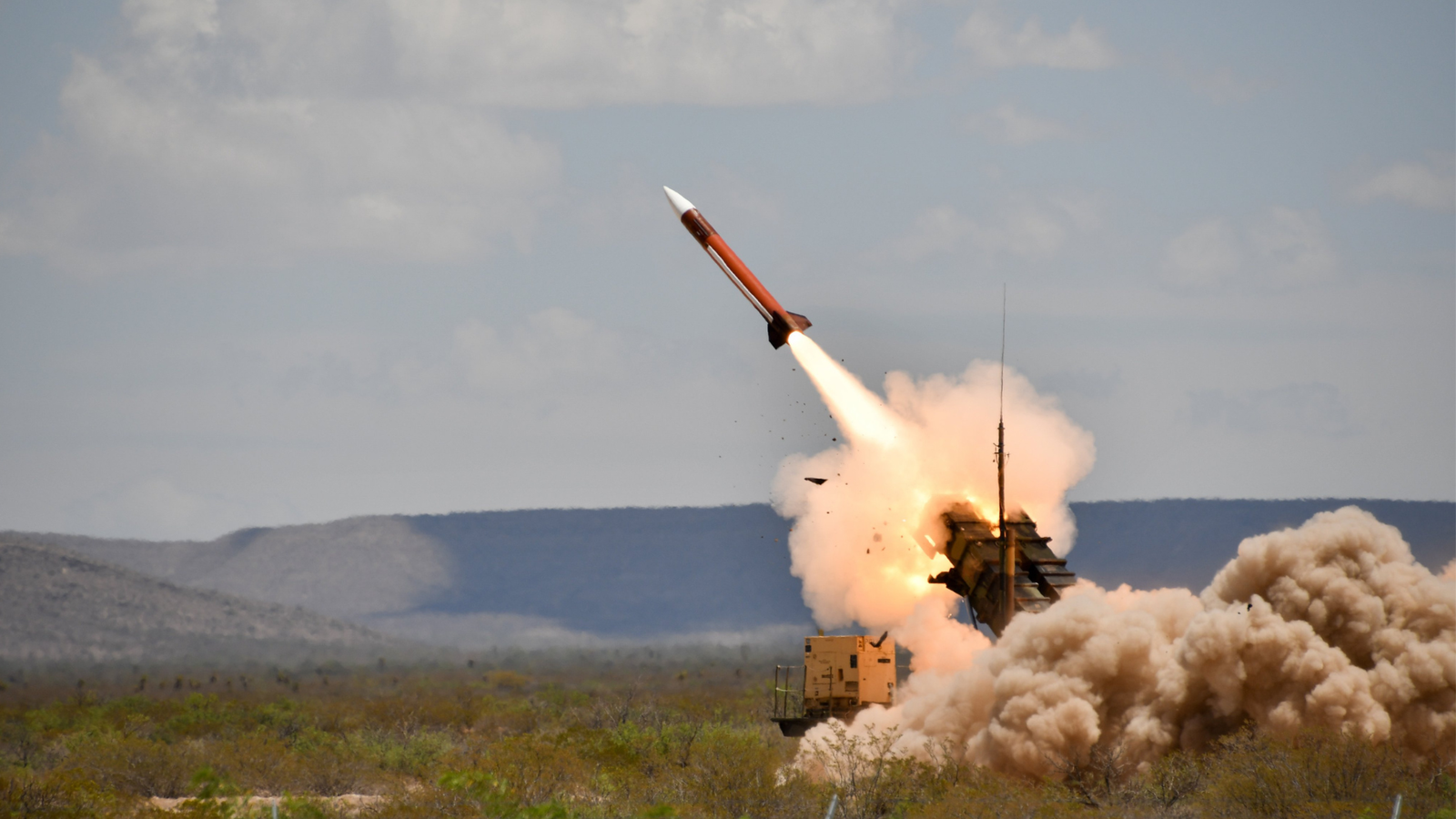
Estimates from the Centre for Strategic and International Studies indicate that a significant portion of critical missile inventories has been used during the conflict. This includes nearly half of Precision Strike Missiles, around 50 per cent of THAAD interceptors, and close to half of Patriot air defence systems.
Additional systems have also seen notable drawdowns, including Tomahawk cruise missiles and long-range air-to-surface weapons, reflecting the intensity and duration of the campaign.
Data cited by The New York Times offers a more detailed picture. It reports that over 1,000 Tomahawk missiles were fired, along with more than 1,200 Patriot interceptors and over 1,000 Precision Strike and ATACMS missiles. Around 1,100 long-range stealth cruise missiles, originally intended for potential conflicts in Asia, were also used. The Pentagon has said more than 13,000 targets were struck, though several were hit multiple times.
Also Read | No nukes but strong warning: Trump tells Iran 'clock is ticking'
When war becomes a numbers game
“The high munitions expenditures have created a window of increased vulnerability in the western Pacific," CNN cited Mark Cancian, a retired US Marine Corps Colonel and co-author of the CSIS report, as saying.
He added, “It will take one to four years to replenish these inventories and several years after that to expand them to where they need to be."
Senator Mark Kelly raised similar concerns, stating, “The Iranians do have the ability to make a lot of Shahed drones, ballistic missiles, medium range, short range, and they’ve got a huge stockpile. So at some point … this becomes a math problem, and how can we resupply air defence munitions? Where are they going to come from?"
Senator Jack Reed also noted, “At current production rates, reconstituting what we have expended could take years."
Beyond Iran: A wider strategic impact
The implications go beyond the Middle East. Many of the weapons used are central to US deterrence strategies in regions like the Indo-Pacific.
Reports indicate that some munitions were redirected from deployments in Asia and Europe to sustain operations in Iran, raising questions about readiness in other theatres, particularly in the context of China and North Korea.
Also Read | US turns to Ukraine’s Sky Map after Iranian drone strikes cause $1.3 billion losses
What US officials are saying
Despite the concerns, US officials have pushed back strongly. Pentagon spokesman Sean Parnell told CNN that the military “has everything it needs to execute at the time and place of the President’s choosing."
White House press secretary Karoline Leavitt added that the US military is “fully loaded with more than enough weapons and munitions… to effectively defend the homeland and achieve any military operation directed by the commander in chief."
President Donald Trump has also downplayed the concerns, while acknowledging the need for continued investment in munitions.
The issue, analysts suggest, is not an immediate lack of weapons, but a shrinking buffer.
The US retains the ability to continue current operations. However, rebuilding high-end missile stockpiles will take time, and that timeline could shape how quickly it can respond to another large-scale conflict.