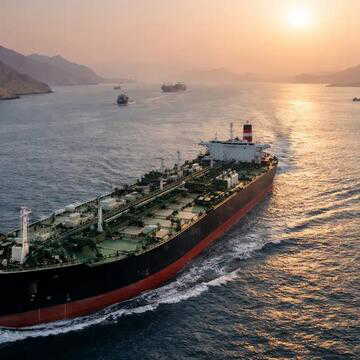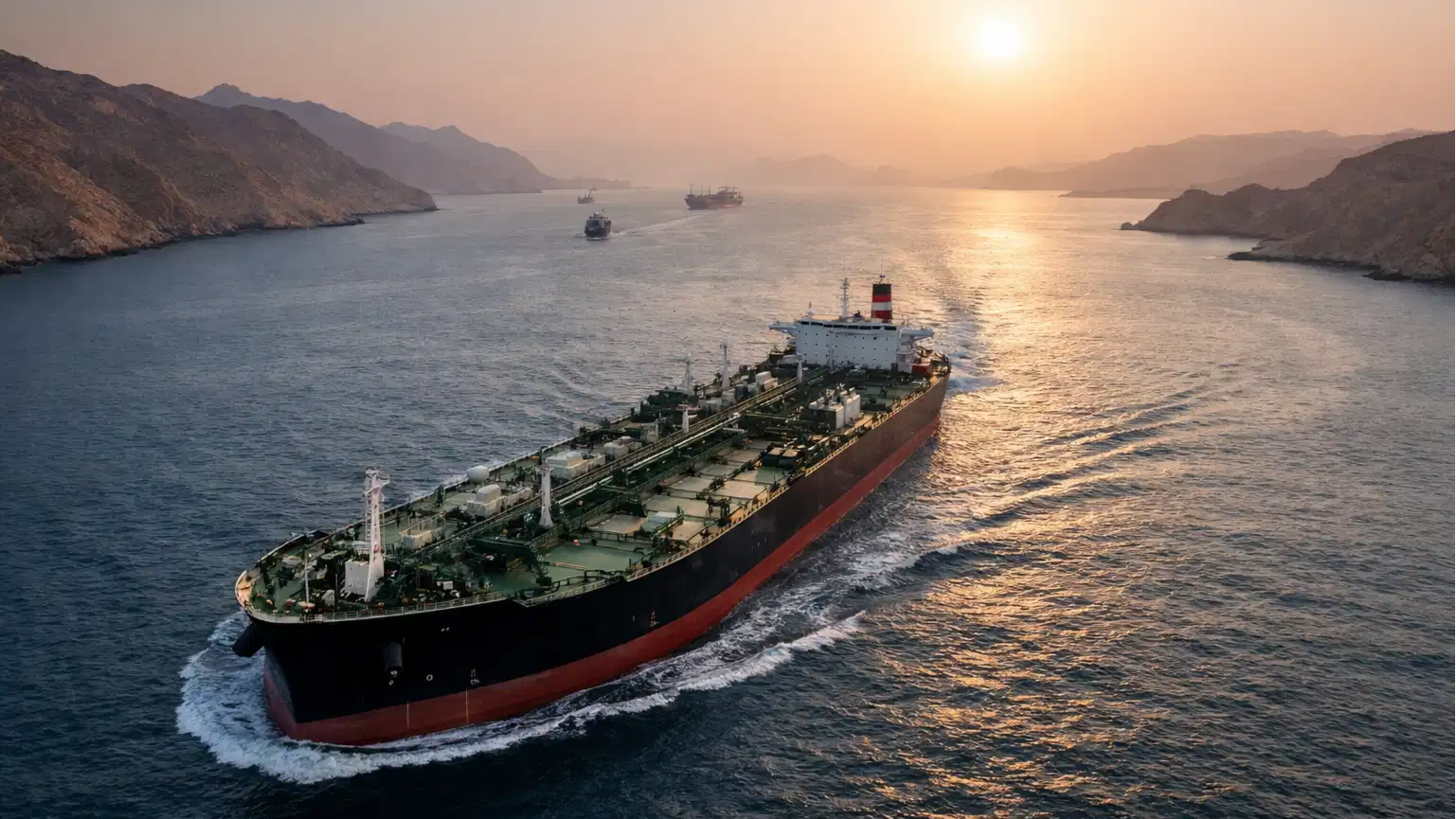
The United States may need up to six months to clear naval mines placed by Iran in the Strait of Hormuz, according to a Pentagon briefing to Congress.
The assessment, first reported by The Washington Post, says the effort would likely begin only after the war in the Middle East ends. The waterway is one of the world’s most important energy chokepoints and carries a large share of global oil and liquefied natural gas traffic.
Nonfunctional for ‘at least six months’
According to the report, Iran may have deployed 20 or more mines in and around the strait. Some were allegedly laid from boats, while others were set afloat using GPS-guided technology, making them harder to detect.
Also Read | 'I used to support Indians': Trump’s Truth Social post ignites row over Silicon Valley hiring
The mines could keep the strait nonfunctional for “at least six months” even if fighting stops immediately. The challenge for U.S. forces would be to locate, disarm, and remove the explosives in a contested maritime zone.
The economic impact of the maritime stalemate is already obvious, with Brent crude futures crossing the USD 100 mark to trade at USD 101.76 per barrel. West Texas Intermediate futures were likewise recorded at USD 92.82.
Sean Parnell accuses the claims of being false
The US military announced on April 6 that it had begun “setting conditions for clearing mines in the strait,” with two Navy guided missile destroyers involved in operations.
The Pentagon described the Washington Post account as “inaccurate,” with spokesman Sean Parnell accusing the newspaper of publishing “false claims.” Iran, meanwhile, has denied responsibility in separate remarks cited by the outlets, and the dispute has become another flashpoint in the broader standoff over the waterway.
Also Read | Golden Fleet row? Key reasons behind Navy Secretary John Phelan's removal
The Strait of Hormuz remains central to global energy security because, before the current escalation, roughly a fifth of world oil and LNG shipments moved through it. Any extended disruption could pressure fuel markets and deepen the economic fallout from the conflict, while also complicating diplomatic efforts to restore normal shipping.