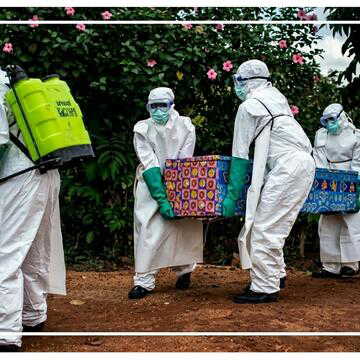
The World Health Organization (WHO) has declared the ongoing Ebola outbreak in the Democratic Republic of the Congo and Uganda a Public Health Emergency of International Concern, its highest alert level. The decision follows confirmation that infections have reached two major capitals and concerns that the outbreak may be more widespread than reported.
This marks the first such declaration since the mpox emergency in 2024 and places the situation alongside major global health crises that require coordinated international action and funding support.
Rare Ebola strain with no vaccine triggers fresh global concern
Health officials have identified the outbreak as being caused by the Bundibugyo ebolavirus, a strain rarely seen in humans. It has previously been recorded only twice, in Uganda in 2007 and eastern Congo in 2012. Combined, those outbreaks were smaller than the current one, making this the largest known spread of this strain.
Also Read | Congo reports 17th Ebola outbreak with 65 deaths and 246 suspected cases
The WHO said the situation met emergency criteria due to cross-border transmission, unexplained death clusters, and uncertainty around the outbreak’s actual scale. Early testing detected eight positive Ebola samples out of 13 collected, suggesting wider undetected transmission.
"This event is considered extraordinary," WHO Director-General Tedros Adhanom Ghebreyesus said, pointing to the lack of approved vaccines or treatments and the possibility that the virus has been spreading silently.
After having consulted the #DRC and #Uganda where the #Ebola disease caused by Bundibugyo virus is known to be currently occurring, I determine that the epidemic constitutes a public health emergency of international concern (PHEIC), as defined in the provisions of IHR.
— Tedros Adhanom Ghebreyesus (@DrTedros) May 17, 2026
My full… pic.twitter.com/zhYVEyxSI8
Ebola reaches major cities, raising fears
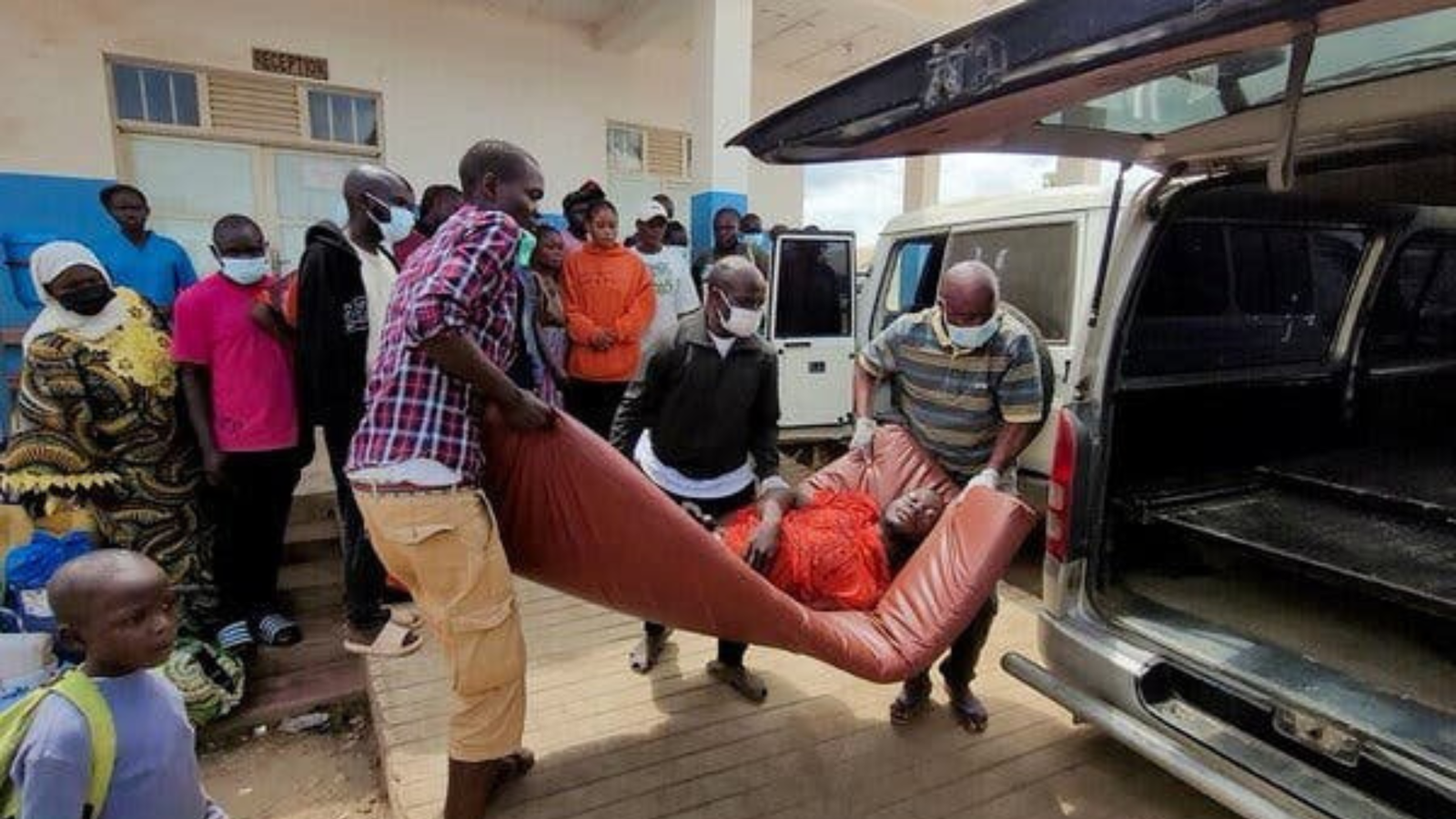
The outbreak, which began in Ituri province, has expanded beyond remote mining areas. As of May 16, Congo reported eight confirmed cases, 336 suspected infections, and 87 suspected deaths, according to the Africa Centres for Disease Control and Prevention.
Uganda has confirmed two cases in Kampala, including one death linked to travel from Congo. The appearance of infections in Kinshasa, a densely populated city of around 20 million people, has heightened concerns over containment. At least four healthcare workers have died in suspected cases, raising fears of transmission within medical settings.
No approved vaccine or treatment yet
There is currently no approved vaccine for the Bundibugyo strain. Existing Ebola vaccines and therapies were largely developed for the Zaire strain following the devastating West African outbreak that killed over 11,000 people.
"Ebola Zaire is the one that got all the attention, for very good reasons," said Susan McLellan.
Experimental vaccines from the University of Oxford and Moderna are under review, but none are approved. Similarly, treatments such as monoclonal antibodies and the antiviral drug Remdesivir are being considered, though their effectiveness against this strain is not yet established.
Also Read | Hantavirus cases rise to nine as MV Hondius passengers return home: How far has it spread?
Containment faces major hurdles
Containing the outbreak remains difficult due to its location near the Ugandan border, particularly around the mining hub of Mongbwalu, where frequent movement of workers increases transmission risks. Ongoing conflict, displacement, and limited healthcare infrastructure in eastern Congo add to the challenge.
The WHO has advised against travel or trade restrictions, warning that such measures could drive movement underground and weaken surveillance efforts.