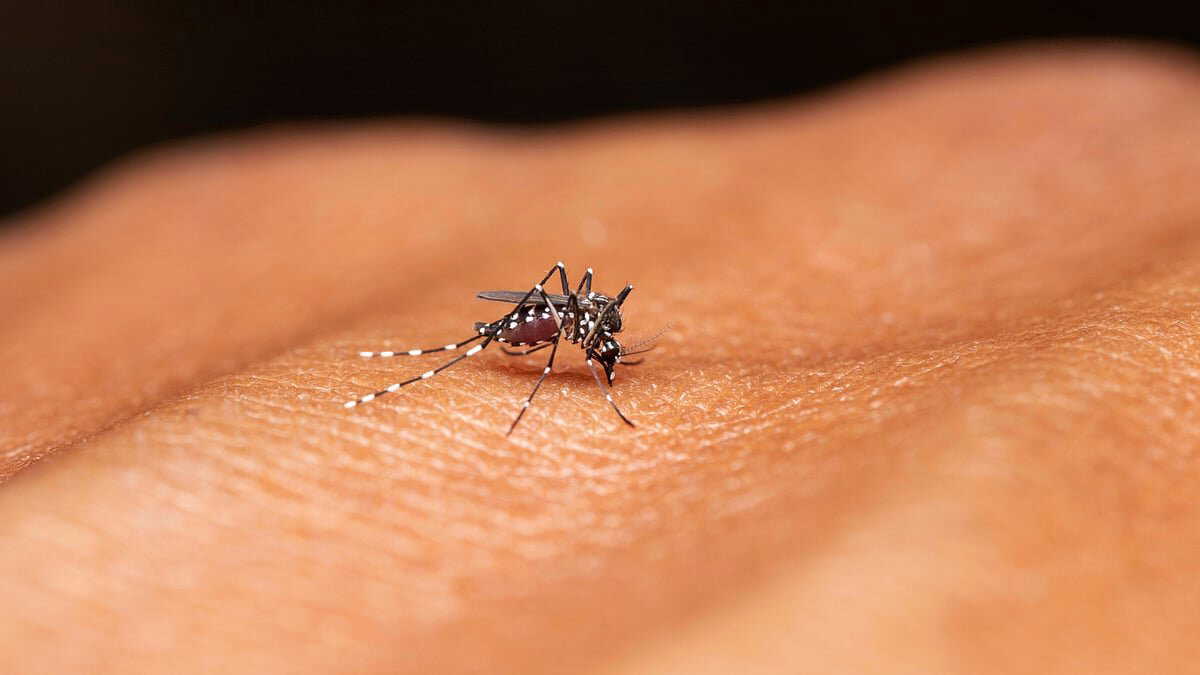
Brazil has taken an innovative initiative to combat mosquito-borne diseases. Scientists are using special types of mosquitoes to fight against dengue, Zika and chikungunya. This method has already yielded positive results in several states there. Experts see Brazil's initiative as a ray of hope.
Brazil's historic step: World's largest bio-factory
Brazil has already achieved significant success in controlling dengue. In July 2025, the country launched a bio-factory called 'Wolbito do Brasil' in Curitiba city. It is now the world's largest factory that plays a special role in breeding Aedes aegypti mosquitoes. These mosquitoes carry beneficial bacteria called 'Wolbachia'. This bacterium prevents viruses like dengue, Zika, and chikungunya inside the mosquitoes from spreading.
Also Read | Sydney Kamlager-Dove flags PM Modi–Putin car selfie in Congress, warns India is being pushed toward Russia
How Wolbachia works?
Wolbachia is a type of bacteria that exists in other insects but is not naturally found in Aedes aegypti mosquitoes. Brazilian scientists artificially introduce this bacteria into Aedes aegypti mosquitoes. This bacteria prevents the growth of viruses inside the mosquitoes.
When Wolbachia-carrying mosquitoes are released into communities, they mate with wild mosquitoes and reproduce. Over time, a large portion of local mosquitoes begin carrying Wolbachia. As a result, even if mosquitoes bite, the risk of spreading diseases to humans decreases.
Joint initiative of multiple organizations
Brazil's massive project has been created through the joint initiative of three organizations: the World Mosquito Program, Fiocruz, and the Institute of Molecular Biology of Parana. Through the joint efforts of these three organizations, more than 5 million people in eight cities of Brazil have already been saved from mosquito-borne diseases. As a result, Brazil is now trying to produce even more Wolbachia mosquitoes.
Far-reaching impact
Brazil's Health Ministry views the Wolbachia method as a key strategy for combating mosquito-borne diseases. A decision has been made to launch this project in more than 40 municipalities of the country in the coming years. As a result, more than 140 million people will benefit from it. Since the release of Wolbachia mosquitoes began in Rio de Janeiro and Niteroi cities in 2014, the dengue infection rate has decreased significantly.
Also Read | UK Prime Minister Keir Starmer calls Rockstar firings "deeply concerning," vows investigation
The tough challenge of dengue
Dengue is a serious problem in Brazil. One out of every ten dengue patients worldwide is from this country. In 2024, the number of dengue cases in Brazil was more than 10 million and 6,297 people died. As a result, Brazil is now relying on the new strategy of Wolbachia.