Lebanon’s Amal Movement, the country’s other major Shia party, is drawing renewed scrutiny as Israel’s war on Lebanon and wider regional negotiations reshape the balance of power inside the Shia community.
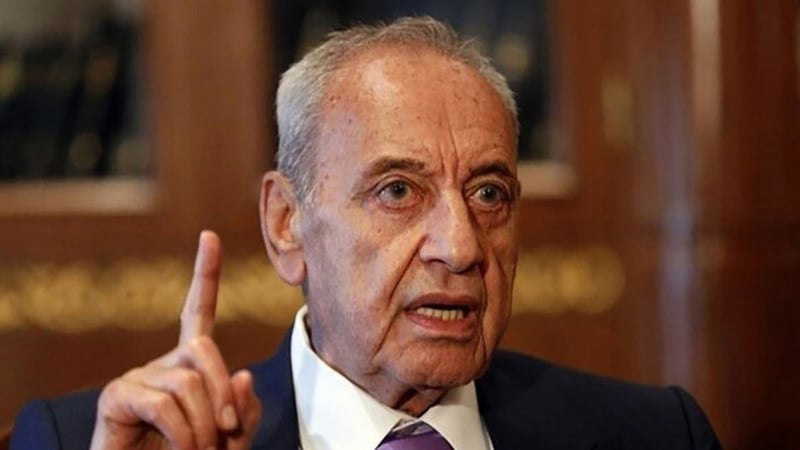
The movement, led by Parliament Speaker Nabih Berri, remains Hezbollah’s closest domestic ally, but may also be positioned to expand its influence through state institutions at a time of uncertainty for the Iran-backed group.
Also Read | Who is Mahender Makhijani? Financier arrested in alleged '$100 million' fraud
Lebanese Parliament Speaker Nabih Berri, leader of the Amal movement and a key Hezbollah ally, tells NBN:
— Open Source Intel (@Osint613) May 31, 2026
"I can guarantee a full, comprehensive and immediate commitment to a ceasefire on the part of the resistance, but the question is who will oblige Israel to stop its attacks… pic.twitter.com/oyvxJDekdr
Amal's enduring place in Shia politics
According to the report, Amal has historically served as the principal political and institutional representative of Lebanon’s Shia community within the state, while Hezbollah has dominated through military strength, regional reach and organisational capacity.
One analyst cited by Al Jazeera, Souhayb Jawhar, said Amal has been “the most prominent political and institutional representative of the Shia” in the Lebanese state for years, even during Hezbollah’s peak influence.
He added that if Hezbollah’s role continues to decline or becomes absorbed by internal restructuring, Amal’s role in mediating between the Shia community, the Lebanese state and external actors is likely to grow.
Hezbollah’s fate will be decided by the Amal Movement’s calculations about its own future. https://t.co/UcZWnSUteY
— Foreign Policy (@ForeignPolicy) May 23, 2026
Amal's origins and alliance with Hezbollah
The movement’s origins go back to 1974, when it was co-founded by Musa Sadr and Hussein al-Husseini as the Movement of the Deprived.
Its militia, the Lebanese Resistance Regiments, gave rise to the acronym Amal, which also means “hope” in Arabic.
After Nabih Berri took over the party in 1980, many of its more religious members shifted towards the newly emerging Hezbollah. The two groups once fought for territory during the Lebanese civil war, but are now allied, even if tensions remain among some of their supporters.
Berri often acts as a conduit between Hezbollah and foreign diplomats or administrations that do not have direct contact with the group.
Also Read | What is Juneteenth? The story behind America’s June 19 holiday
A new chapter in Lebanon's power equation
Recent developments have sharpened questions about Amal’s future. Israel intensified its war on Lebanon on March 2 after Hezbollah fired rockets across the border, ending a ceasefire agreed in November 2024.
The Israeli assault caused significant losses, including the killing of much of Hezbollah’s military leadership and longtime leader Hassan Nasrallah. Lebanon’s new leadership moved to disarm Hezbollah, a step backed by some Lebanese but opposed by many others, including Hezbollah supporters.
Amal is unlikely to replace Hezbollah militarily, but may be able to present itself as a more acceptable interlocutor for Western and state actors, with one analyst describing it as a “more ‘acceptable’ Western partner” because it speaks the language of institutions, negotiation and reconstruction.
FAQs
Q1: What is the Amal Movement in Lebanon?
Ans: The Amal Movement is a major Shia political party in Lebanon led by Parliament Speaker Nabih Berri and allied with Hezbollah.
Q2: Why is the Amal Movement gaining attention now?
Ans: Analysts say Amal could play a larger political role as regional tensions and pressure on Hezbollah reshape Lebanon's Shia power dynamics.